
Last updated October 15, 2026







Free written scope consultation - allowances, timeline, and change-order rules on paper before a single trade is scheduled
Seasonal Construction Care for Fresno: Year-Round Homeowner’s Guide
Fresno gets 261 sunny days a year, yet sits in one of California’s densest tule fog belts. That pairing creates a maintenance reality most generic home-care guides miss: the same exterior wall can bake under 105°F heat in July and sit under fog-driven condensation for weeks in December. Different seasons in Fresno don’t just call for different tasks. They call for different materials, different timing, and different inspection habits. This guide walks through what to check each season, what to fix yourself, and which conditions genuinely need a professional eye. For a deeper dive into local building practices, see The Complete Guide to Construction in Fresno.
Quick Answer
Seasonal home care in Fresno means pairing each calendar window with its specific weather threat: spring post-fog exterior inspection, summer HVAC and attic ventilation checks before peak heat, fall pre-fog caulking and painting, and winter condensation control at crawl spaces and attic bypasses. Most of the damage homeowners in Fresno face comes from skipping the fall preparation window, not from the weather itself. A two-hour seasonal walkthrough and a written list of small fixes will prevent most of the expensive repair work we see.
Styles & brands we work with



Table of Contents
- Spring (March – May): The Post-Fog Inspection Season
- Summer (June – September): Heat, HVAC, and Concrete Curing
- Fall (October – November): Fresno’s Highest-Value Maintenance Window
- Winter (December – February): Tule Fog and Condensation Control
- Year-Round Irrigation Management and Foundation Soil
- Common Mistakes to Avoid
- When to Call a Professional
- Frequently Asked Questions
Spring (March – May): The Post-Fog Inspection Season
By the time March arrives, Fresno’s exterior surfaces have spent three months cycling through fog moisture and cold nights. That combination is harder on paint and sealant than most homeowners realize. Fog condenses on exterior walls, then temperatures drop below freezing some nights, and the repeated moisture-to-cold cycling opens hairline cracks in paint and caulk. By April, those micro-cracks start inviting water behind siding and into window frames.
Your spring walkthrough should take about an hour and follow a set order. Start at the roofline and work down. What to check:
- Exterior paint on south- and west-facing walls. UV exposure starts climbing in April, and paint already compromised by winter fog will chalk and peel faster. Look for dulling, fine cracking, or edges lifting away from the surface.
- Window glazing putty and caulk beads. Press gently along lower window edges. Old glazing that crumbles or separates from glass is no longer sealing. Fresno’s dry summer heat will make the gap permanent, and the fall fog will push moisture through it.
- Flat or low-slope roofing. If you have a patio cover, porch roof, or any section with a pitch under 2:12, look for ponding marks. Winter fog drip doesn’t drain the way a rainstorm does, and stagnant water etches lines into roofing membranes. Mark any visible pooling area with chalk, then check it again after the first real rain.
- Dryer vents, exhaust vents, and weatherstripping. Winter condensation followed by spring warmth loosens the adhesive on older weatherstripping. Run a hand around exterior door frames. If you feel warm air escaping in April, you’ll feel hot air and dust entering by July.
What to Fix Yourself vs. What to Escalate
Small caulk gaps under a quarter-inch around window trim and door frames are a straightforward DIY fix with a quality exterior-grade caulk. Same with replacing cracked outlet covers and tightening loose downspout straps. But if you see paint peeling in sheets, caulk that has turned rubbery and pulled away in sections, or roofing material that dimples under hand pressure, call a professional. Those are signs the underlying substrate has absorbed moisture, and just recoating the surface will lock the problem in.
One note on timing: Fresno’s spring is short. By mid-May, daytime temperatures in the 90s arrive and some caulks and paints won’t cure properly. April is the window. If you catch issues in late May, it’s better to wait for the fall prep window than to apply exterior products in heat that prevents proper adhesion.
Summer (June – September): Heat, HVAC, and Concrete Curing
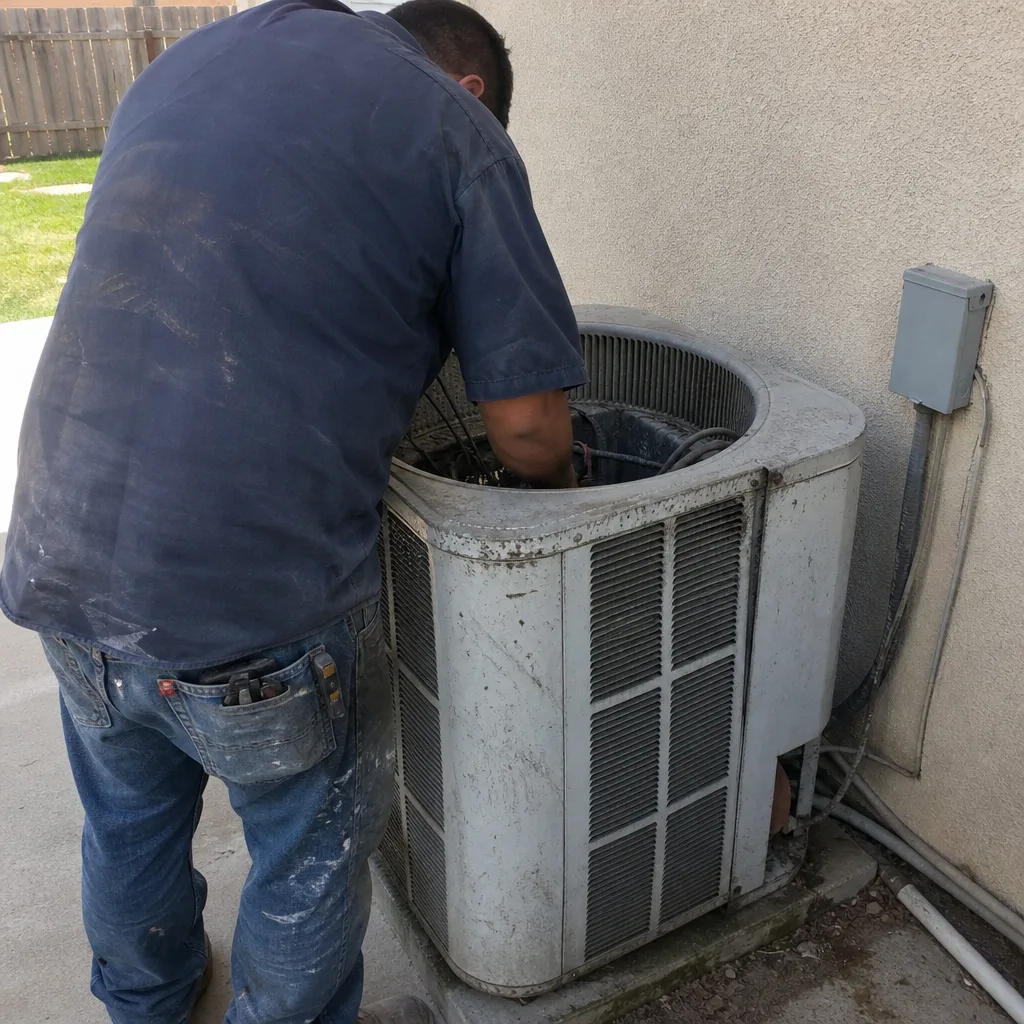
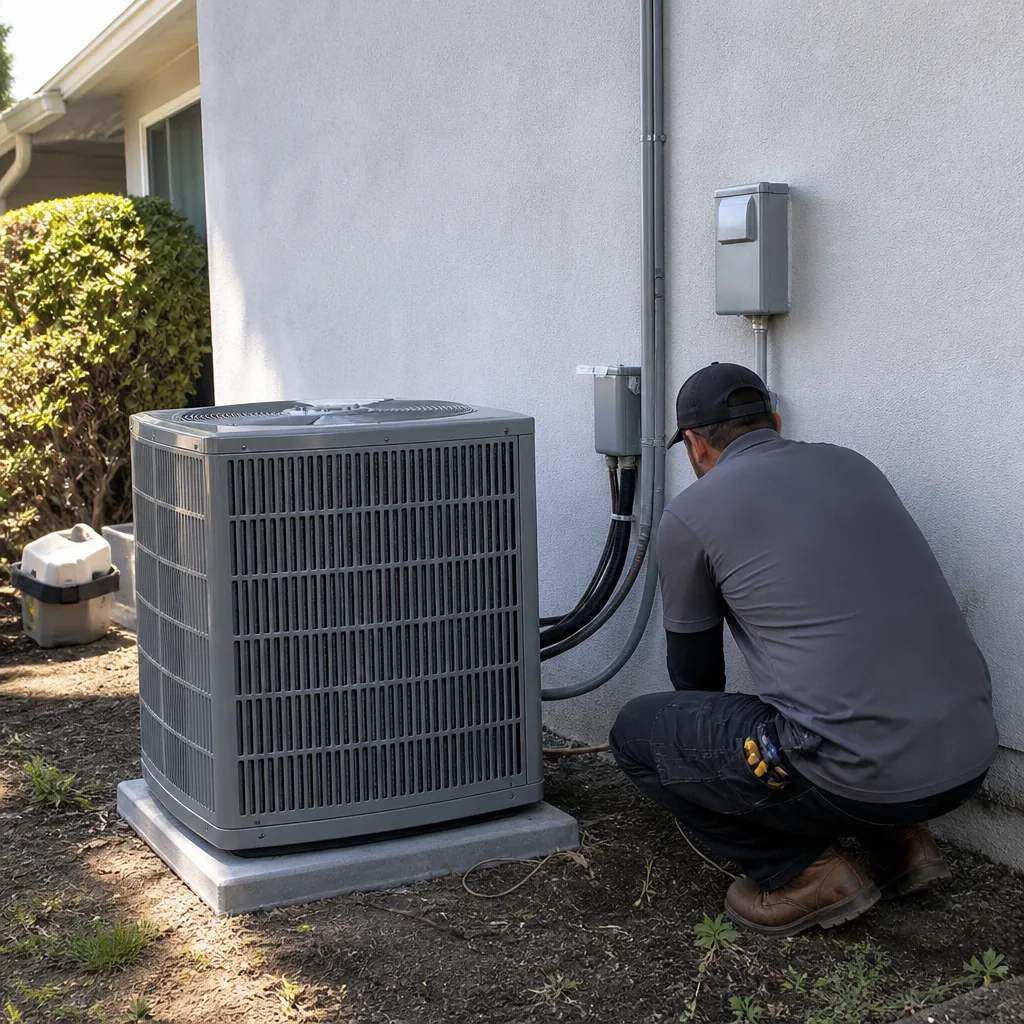
Fresno summers routinely push past 100°F for weeks at a time, and the single most common call we field in July has nothing to do with remodeling. It’s homeowners discovering that last winter’s heating season left their HVAC system compromised, and they didn’t know until the first 106°F day pushed it to failure. The time to check HVAC filters and duct runs is early June, before peak load begins. Walk every accessible register. Feel for weak airflow in rooms farthest from the unit. A temperature difference above 3°F between rooms often means a duct leak or balancing issue.
Attic ventilation is the second quiet failure point. Fresno attics can hit 140°F or higher in August. Proper ventilation isn’t just about shingle life. It’s about keeping the conditioned living space below from working against a superheated air mass above the ceiling. Check that ridge vents and soffit vents are clear of debris and that no insulation has shifted to block airflow paths. If you notice your upstairs rooms run 5-8°F hotter than downstairs in July, attic ventilation is the first thing to inspect.
Why Summer Is the Wrong Time for Concrete Flatwork
This is a point competitors rarely mention, but it matters in Fresno specifically. Concrete poured in sustained 100°F days without specific curing protocols cracks. The surface water evaporates faster than the hydration process can use it, creating shrinkage cracks and a weaker final slab. If you’re planning a driveway extension, patio pour, or walkway, schedule it for fall or spring. If a pour must happen in summer, the contractor needs to use evaporation retarders, wet curing, or a curing compound, and the schedule needs to protect the slab from direct sun during the first 48 hours. A contractor who dismisses this concern is one to avoid.
Fall (October – November): Fresno’s Highest-Value Maintenance Window
If you do one exterior maintenance push per year, make it October through mid-November. This is the single most productive maintenance window in Fresno because the temperatures are moderate, humidity is low, and the fog season hasn’t begun. Caulks cure properly, paints adhere, and roofing materials seal. Work done in October protects the house through the entire fog season ahead and won’t need redoing in spring.
Prioritize these surfaces in this order:
- Every exterior caulk joint around windows, doors, trim, and penetrations. Use a quality exterior-grade product. Tool it smooth. Don’t caulk the bottom of window trim or siding laps, those need to drain. Close the top and sides where water could push in.
- Paint on the south and west elevations first. These are the walls that took the summer UV load. If you’re repainting, these walls often need it a year or two before the others.
- Roof penetration boots and flashing. HVAC boots, plumbing vent boots, and chimney flashing all take heat and fog cycling. Check them before fall fog arrives.
- Door sweeps and garage threshold seals. These are cheap to replace and they keep both fog moisture and the first winter dust from entering.
From a construction perspective, this is also the season to schedule any exterior remodeling that requires weather-sensitive materials. Our General Contractor in Fresno work includes exterior projects where the fall window matters for curing and sealing. If you’re considering hardscape, exterior trim replacement, or any project involving paint, caulk, or roofing sealants, October gives you the best conditions.
Winter (December – February): Tule Fog and Condensation Control
Fresno winters are mild by national standards, but the tule fog creates a specific set of moisture problems that generic winter guides don’t address. Weeks of fog keep relative humidity near 100% at ground level. That moisture pushes into crawl spaces, condenses on cold surfaces, and travels upward through attic bypasses. The damage usually shows up as musty smells in closets, condensation on interior walls in the morning, or unexplained spikes in heating bills.
Walk the crawl space in December if you can access it safely. Look for:
- Moisture beading on floor joists or insulation. This indicates the fog is entering and condensing. Adequate crawl space ventilation and a vapor barrier on the ground are the typical fixes.
- Disconnected or sagging ductwork. Condensation inside crawl spaces can loosen duct connections. Warm air leaking from a disconnected joint heats the crawl space instead of the house, and that’s the heating bill spike.
- Standing water after fog events. Fog alone rarely pools water, but fog plus poor drainage will. If you see pooling, check exterior grading before assuming it’s a plumbing issue.
The Plumbing Exposure Fresno Homeowners Underestimate
Hard freezes feel rare in Fresno, so many homes have exposed plumbing that would never survive one. Pipes along exterior walls, hose bibs without frostproof valves, and irrigation backflow preventers are the three common exposures. Fresno does experience occasional overnight lows in the mid-20s, especially during dry air events when fog clears. A single hard freeze will split an unprotected exterior pipe. The fix is inexpensive: insulate exposed pipes, install frostproof hose bibs, and cover backflow preventers. The cost is a fraction of a burst-pipe repair. For any plumbing work tied to a larger remodel, our Bathroom Remodeling in Fresno projects can include bringing these exposures up to current protection standards while the walls are open.
Year-Round Irrigation Management and Foundation Soil
Fresno’s soil is a specific challenge. The heavy clay-silt mix expands when wet and contracts when dry, and the swing between irrigated summer and wet winter creates real movement under concrete flatwork, driveways, walks, and foundation perimeters. This isn’t a guess, it’s a measurable seasonal cycle. Overwatered areas push soil outward, which lifts slabs unevenly. Underwatered areas pull away from footings and allow settlement.
The single most effective foundation protection in Fresno is a consistent irrigation schedule and seasonal shutoffs done correctly.
- Reduce irrigation gradually in October, don’t stop it suddenly. Sudden shutoff dries the top layer of clay while the deeper soil stays wet, creating differential movement.
- Keep water at least 18 inches from the foundation perimeter year-round. Emitters and sprinkler heads placed too close saturate the soil that directly supports footings.
- Reestablish moisture slowly in March and April. Start with a reduced schedule and build up as temperatures rise. The clay needs time to rehydrate evenly.
- Watch for cracks that open and close seasonally. Hairline cracks that widen in summer and close in winter are signs of moisture-driven soil movement. Document them with photos dated by season so a professional can assess whether movement is progressive.
If you’re planning any project on a concrete slab behind your house, from a patio to an outdoor kitchen, the irrigation pattern and soil condition under that slab matter. A Kitchen Remodeling in Fresno project that extends into an outdoor cooking area needs the slab poured on properly prepared ground, not directly over an irrigation zone that cycles daily. It’s the kind of detail that separates a project that performs for decades from one that cracks in three seasons.
Common Mistakes to Avoid
- Painting exterior surfaces in summer because “it’s dry so it will cure fast.” High surface temperatures cause paint to dry before it bonds properly. Fresno’s October window exists for a reason.
- Turning off irrigation completely in November and leaving it off until May. The top layer of clay dries and contracts abruptly, and foundation movement follows. Taper down, don’t stop cold.
- Ignoring a small attic bypass because “it’s just a little warm air.” During fog season, that same bypass carries moisture into the attic, and condensation issues in the living space follow within weeks.
- Checking the roof only in spring. Spring checks catch winter damage, but by then the damage is done. Fall checks before fog season prevent the damage entirely.
- Assuming exposed pipes will be fine because “Fresno never freezes.” The city has recorded multiple hard freeze events. The repair from one burst pipe costs more than twenty years of pipe insulation.
- Pouring concrete in July without questioning the curing plan. A contractor who doesn’t adjust curing protocols for Fresno’s summer heat is producing a weaker slab and a future crack pattern.
- Caulking the bottom edge of window trim or siding laps. These joints need to drain. Sealing them traps water behind the assembly and guarantees rot at the sill within a few seasons.
When to Call a Professional
Any exterior paint failure larger than a few square feet, any caulk joint where the separation is wider than a quarter-inch and the material behind it feels soft, any crawl space moisture that persists after ventilation is corrected, any crack in a slab or foundation that is wider than 1/8 inch and growing, and any HVAC imbalance above 5°F between rooms all warrant a professional assessment. These are not finish-level issues. They indicate underlying conditions that will keep causing problems if the surface is patched without addressing the source.
Elmstead Remodeling Fresno offers free estimates in Fresno. Call (559) 540-8453 and someone will answer, talk through what you’re seeing, and help you decide whether it needs immediate attention or can wait until the right seasonal window. We’d rather give you twenty minutes of honest guidance than have you pour money into a fix that won’t hold.
Frequently Asked Questions
October through mid-November is the best window for exterior painting in Fresno. Temperatures are moderate, humidity is low, and the fog season hasn’t started, which means paint cures properly and bonds well. Spring is the second-best window, but it’s shorter and can be interrupted by late-season heat. Summer painting on hot surfaces creates adhesion problems, and winter fog prevents proper curing. Call (559) 540-8453 if you want a professional assessment of your specific surfaces.
Most homeowners in Fresno spend between $400 and $1,200 per year on the routine seasonal items covered in this guide: caulking, weatherstripping, pipe insulation, vent cleaning, and document checks. Larger items like exterior repainting run $3,500 to $9,000 depending on home size and surface condition, and crawl space vapor barrier installation typically runs $900 to $2,500. These are honest ranges, and the actual number depends on your home’s specific condition and square footage. For any remodeling work tied to your seasonal maintenance, we give you a written price before any work starts, every time.
You can, but you’ll pay more over time. Skipping fall maintenance means your home faces the entire fog season with compromised caulk, paint, and seals. The moisture that enters during those three months causes damage that spring maintenance can’t undo, only repair. The fall prep window exists because it prevents the damage from happening in the first place.
We handle general contracting, bathroom remodeling, kitchen remodeling, and whole-home remodeling. Seasonal maintenance items like caulking, painting, and ventilation checks often come up during our projects and we’ll address them or point you to the right specialist. For a full picture of what our Elmstead Remodeling Fresno home services cover, give us a call at (559) 540-8453 and we’ll talk through it.
That’s the tule fog. Weeks of near-100% humidity at ground level push moisture into crawl spaces, attics, and any unsealed gap in the building envelope. The moisture condenses on cold surfaces inside the home, which is why you’ll notice it most in the morning. The fix is usually a combination of crawl space ventilation, attic bypass sealing, and improved air movement in the affected rooms.
Document it with photos taken the same day each season. Hairline cracks that stay under 1/8 inch wide and open and close with the seasons are usually moisture-driven soil movement and not immediate structural threats. A crack wider than 1/8 inch, a crack that only grows and never closes, or a crack that has vertical displacement where one side is higher than the other warrants a professional look. We’ve seen enough Fresno soil movement to tell you honestly which category yours falls into. Call (559) 540-8453 and describe what you’re seeing.
The Bottom Line

Fresno’s seasonal maintenance calendar isn’t complicated, but it is specific. Check exterior surfaces after fog season ends in spring. Prepare HVAC and attic ventilation before summer peak heat arrives. Use the October through mid-November window for caulking, painting, and any weather-sensitive exterior work. Control crawl space and attic condensation during winter fog months. And manage irrigation year-round so the soil under your concrete flatwork and foundations stays stable. Each season has a clear job, and doing the job in the right season is the difference between a $50 caulk touch-up and a $9,000 paint-and-repair project. If you’re not sure what your next step should be, explore more guides & resources or call us. We’ll help you figure it out.
Written by Graham Stein, Owner at Elmstead Remodeling Fresno, serving Fresno since 2005.
See the difference
 Before
 After
After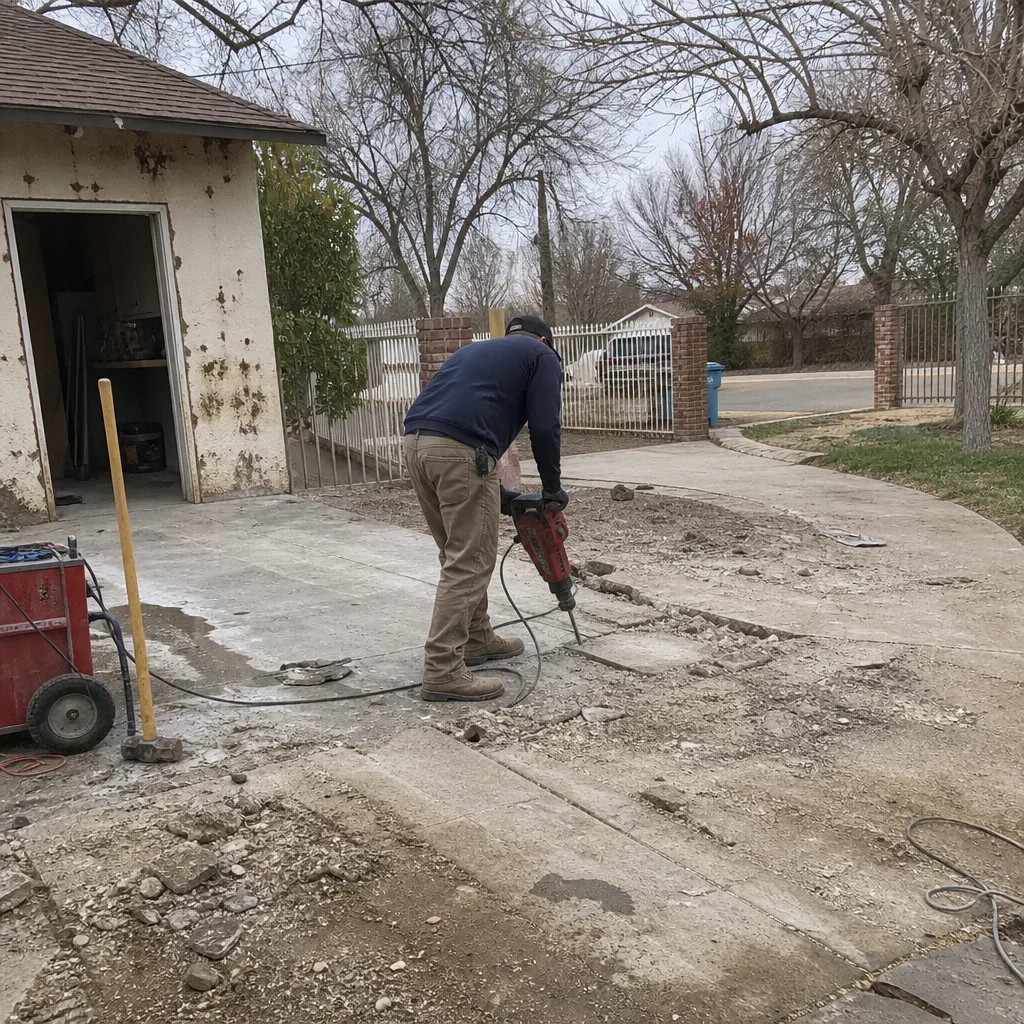 Before
 After
After Before
 After
After