Last updated October 15, 2026








Free written scope consultation - allowances, timeline, and change-order rules on paper before a single trade is scheduled
Construction Permits, Codes & Inspections in CA: What You Need to Know
Adding a bathroom without a permit is the single most common unpermitted work item that surfaces during Fresno-area home sales. When it shows up on a seller’s disclosure or a buyer’s inspection report, the seller usually pays one of three ways: retroactive permitting with fees and corrections, demolition of the work, or a price reduction at escrow. None are pleasant, and all are avoidable. This guide walks through how the City of Fresno and the State of California actually handle construction permits, which projects people wrongly assume are exempt, and what the inspection sequence looks like on a real remodel in Fresno. For Construction Warning Signs: A Fresno Homeowner’s Reference Guide, see our companion post.
Quick Answer
In Fresno, CA, most construction beyond cosmetic finishes (paint, flooring, cabinet refacing) legally requires a city permit. Work done without one becomes a sales and insurance liability for the homeowner, not the contractor. The fix is a permit application, plan review when required, scheduled inspections at each stage, and a signed final inspection card that closes the file.
Styles & brands we work with
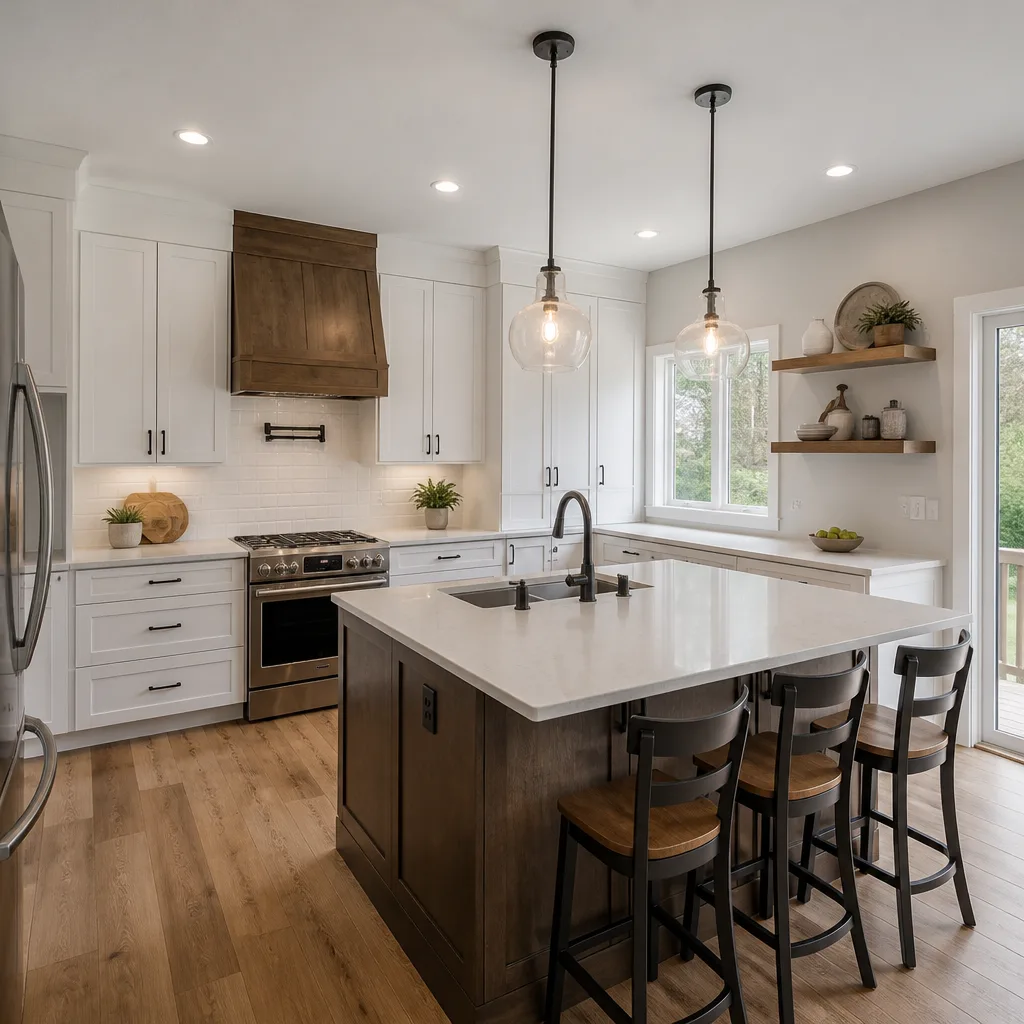
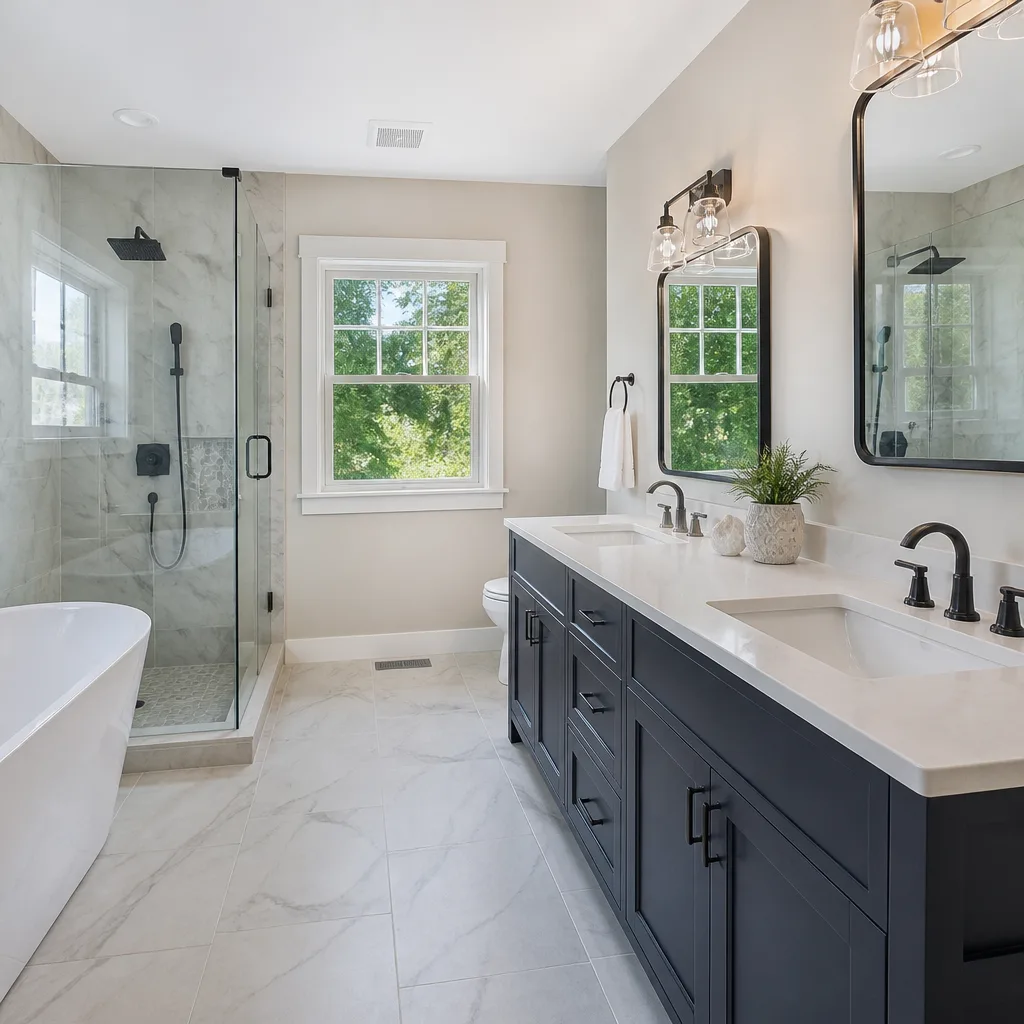




Table of Contents
- What Actually Requires a Permit in Fresno
- What Title 24 Means for a Fresno Remodel
- The Inspection Sequence for a Typical Fresno Remodel
- Permit-Ready Drawings: What They Are and Who Prepares Them
- How to Confirm the Permit Is in Your Name, Not the Contractor’s
- What Happens When Unpermitted Work Is Discovered
- What Fresno Building Permits Cost
- How Long the Permit Process Takes in Fresno
What Actually Requires a Permit in Fresno
The City of Fresno’s Building and Safety Division requires permits for any construction that alters a structure’s framing, electrical, plumbing, mechanical, or egress. That means replacing a water heater, moving an outlet, adding a window, removing a wall, or re-piping a bathroom all trigger a permit requirement. The dollar value of the project does not matter. A $400 water heater replacement still needs a permit. The square footage does not matter either. A 20-square-foot closet with a new electrical outlet needs one.
Here are the projects Fresno homeowners most often assume are exempt but are not:
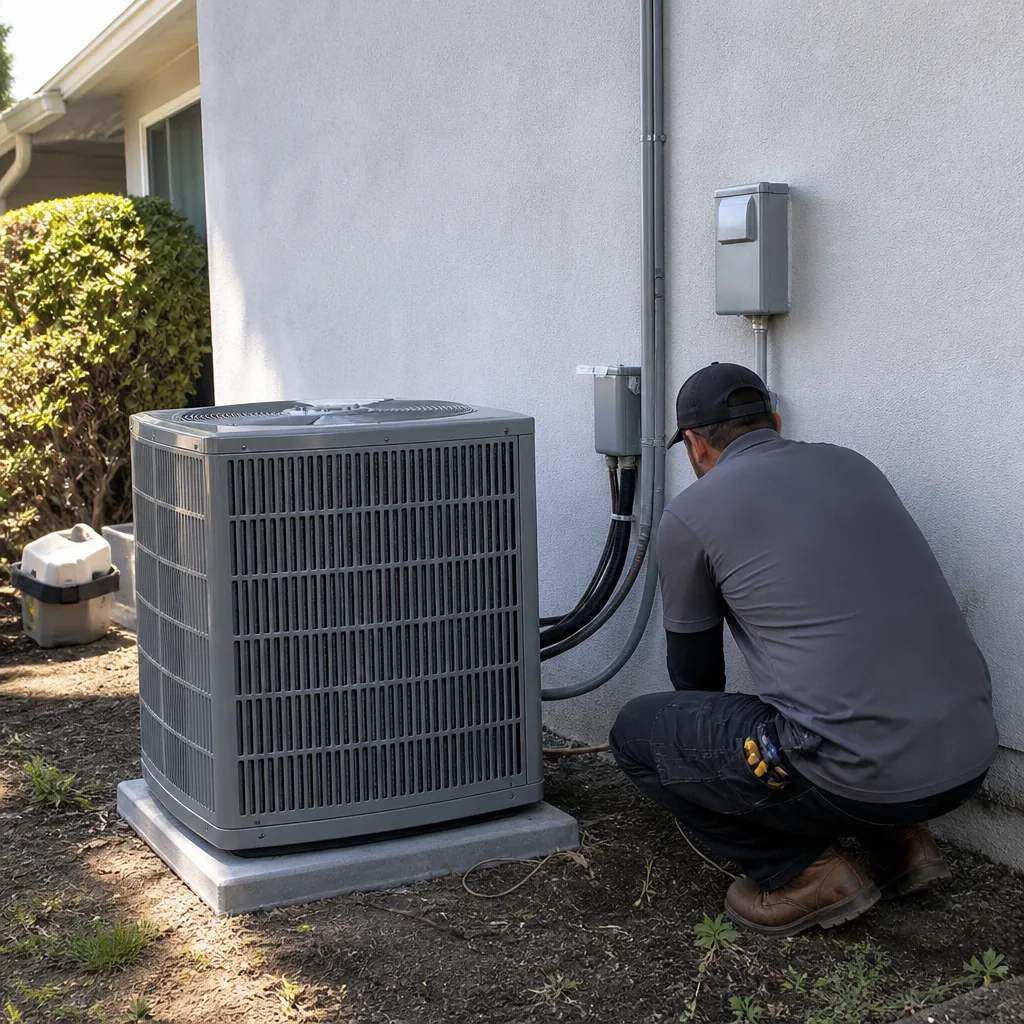
- Replacing a water heater. Any change to gas, flue, or supply lines requires a plumbing and possibly mechanical permit. This is one of the most skipped permits in Fresno, and it surfaces constantly during resale inspections.
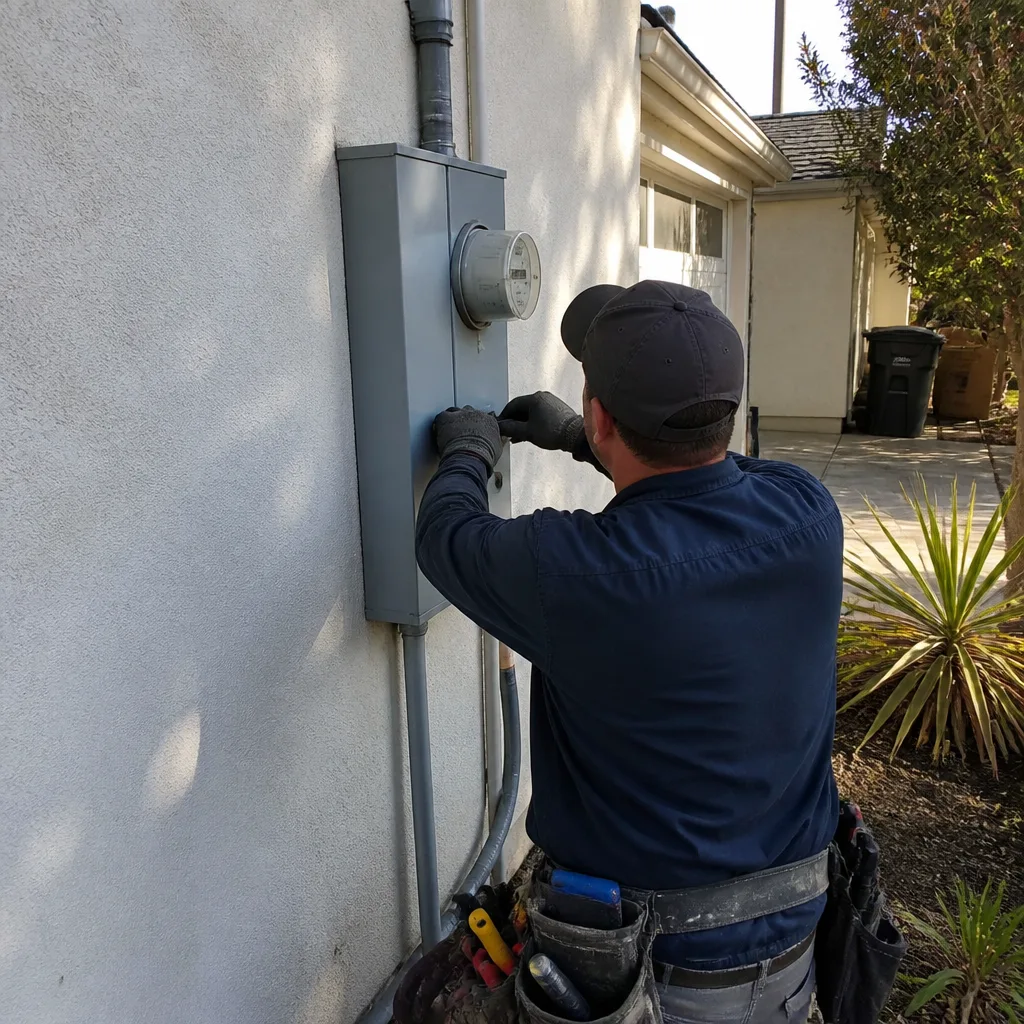
- Adding or moving an electrical outlet. New wiring is never exempt. Even adding a dedicated circuit for a microwave needs an electrical permit.
- Converting a garage into living space. This changes the structure’s occupancy classification, insulation requirements, and egress windows. It requires a building permit and often a Title 24 review.
- Removing a wall. If the wall is load-bearing, structural plans are required. If it’s non-load-bearing but contains electrical, you still need a permit to move that wiring.
- Replacing windows with different sizes. Same-size window replacement is typically exempt. Changing the rough opening size is not.
- Adding a bathroom in a basement, attic, or under-stair space. This requires plumbing, electrical, and possibly mechanical permits plus plan review. It is the most common unpermitted Fresno project that surfaces at home sales.
Cosmetic work is genuinely permit-exempt: painting, flooring, cabinet refacing without moving plumbing, countertop replacement without moving fixtures, and trim work. The line is simple. If the work alters something behind the drywall or changes how a system functions, assume a permit is needed. When we manage a Bathroom Remodeling in Fresno project, we always verify the boundary between cosmetic and structural before we write the price, so the family knows the permit status of every line item before work starts.
What Title 24 Means for a Fresno Remodel
California’s Title 24 is the state’s Building Energy Efficiency Standards. In practical terms for a Fresno homeowner, it means that certain remodels must demonstrate that the home will use no more energy after the work than before. Title 24 compliance is not a Fresno city requirement. It’s a California state requirement. The City of Fresno enforces it during plan check.
Which upgrades trigger a Title 24 review:
- Any remodel that changes the building envelope: new windows, new exterior doors, added insulation, new roofing with different reflectivity.
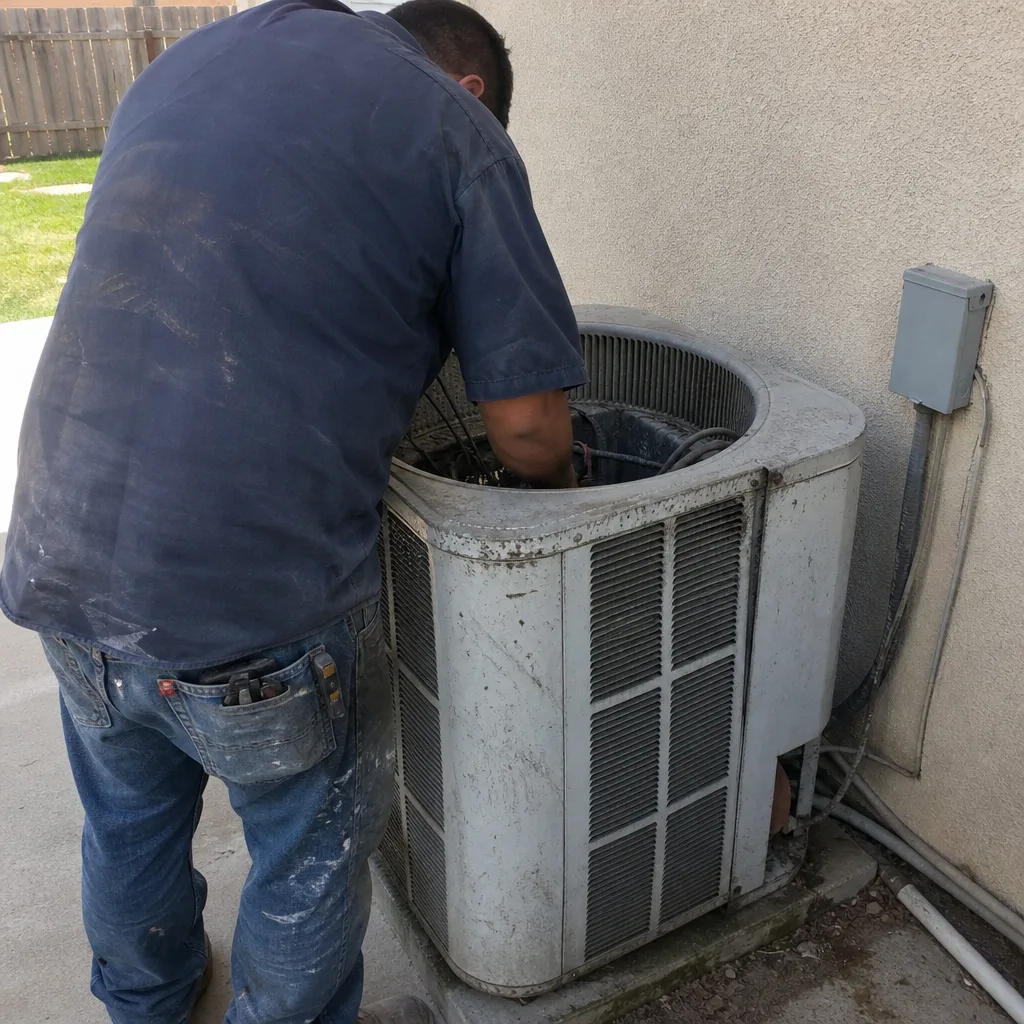
- Any change to the HVAC system or ductwork, including adding a ductless mini-split to a new room.
- Any lighting change that exceeds a certain number of fixtures, or that adds new recessed ceiling lights.
- Kitchen remodels that change ventilation or add hoods.
- Water heating changes, including tankless conversions.
A Title 24 review adds time to the permit process because a certified energy consultant must model the project using state-approved software and produce compliance documentation. This is not optional and cannot be done by the contractor alone unless the contractor works with a Title 24 consultant. In Fresno, that added step typically adds one to two weeks to plan check, depending on the project’s scope and how busy the plan-check desk is. The result is a CF-1R certificate that gets filed with the city and a CF-2R after final inspection. Without those certificates, the permit file cannot be closed, and the home cannot be legally sold with the work represented as permitted.
On kitchen work, which tends to involve new lighting and ventilation changes, Title 24 is part of nearly every Kitchen Remodeling in Fresno project that moves beyond surface finishes. We tell families this at the written-price stage, because the energy review cost belongs in the fixed number, not a surprise line item later.
The Inspection Sequence for a Typical Fresno Remodel
Inspections are the documentation trail that proves the work was done in a way that meets code. Skip one stage, and the final inspection cannot properly close the project file. The inspector cannot see what’s behind drywall once it is hung. That is the entire point of the sequence.
For a typical Fresno interior remodel, the inspection order looks like this:
- Rough framing inspection. After walls are opened, new framing is up, and any structural changes are complete, but before insulation goes in. The inspector checks stud spacing, header sizes over openings, anchor bolts, and fire-blocking.
- Rough electrical inspection. After wiring is run through the framing and before drywall covers it. The inspector checks wire gauge, box fill, GFCI/AFCI placement, and circuit labeling.
- Rough plumbing inspection. After supply and drain lines are installed and pressure-tested, before walls are closed. The inspector checks venting, slope on drains, and water-hammer protection.
- Insulation inspection. After insulation is installed in walls and ceilings, before drywall. This ties directly to the Title 24 requirement. The inspector verifies R-values and that insulation fills the cavities completely.
- Drywall/final rough inspection. Some Fresno inspectors want to see drywall hung but not taped to check screw patterns and gapping around outlets before tape and texture go on.
- Final inspection. After fixtures, trim, paint, and equipment are in. The inspector verifies GFCI function, smoke and carbon monoxide detector placement, door operation, and that all prior corrections have been signed off.
The documentation gap we’ve seen before in Fresno goes like this: a homeowner has an electrician add a circuit, the electrician says “I’ll permit it later,” drywall goes up, and then the permit is pulled after the work is covered. The city then has no way to verify what’s in the wall, which triggers either an exploratory opening or a failed inspection. A permit pulled after the work is covered is the most common source of re-opened walls we encounter. The fix is always sequencing discipline: the same crew that opens the wall is the crew that holds open the wall until the inspector signs the card.
Permit-Ready Drawings: What They Are and Who Prepares Them
“Permit-ready drawings” means drawings that contain enough detail for the plan reviewer to verify code compliance without asking for more information. The phrase gets used loosely by contractors. It matters a lot in Fresno because the city will reject incomplete submittals and send the file back to the applicant, which adds weeks to the schedule.
What a permit-ready drawing set includes:
- Plan view (top-down layout) with all dimensions, door and window locations, plumbing fixture locations, and proposed wall changes.
- Elevation views for any wall, cabinet run, or structural element that changes.
- Electrical plan showing new outlets, switches, fixtures, and circuits.
- Plumbing plan showing new supply and drain runs.
- Structural details for any load-bearing changes, with beam sizes and connection details.
- Title 24 compliance forms from a certified energy consultant when the project triggers an energy review.
Who prepares them depends on the scope. A straightforward bathroom refresh that moves no walls and adds no new circuits can often proceed with contractor-prepared drawings. Once a wall comes out, a beam goes in, or a room changes use, Fresno generally wants a California-licensed architect or structural engineer to stamp the relevant sheets. The stamp is the professional’s legal attestation that the design satisfies the California Building Code. A contractor cannot stamp structural drawings. If a contractor tells a Fresno homeowner that “we don’t need a structural engineer for this load-bearing wall,” walk away. That is not a cost-savings shortcut. It is a plan-check rejection waiting to happen.
We prepare permit drawings in-house for simple remodels and coordinate with licensed engineers or architects for anything structural. The drawing cost is part of the written price. It is not an add-on. For anyone considering a larger project, our General Contractor in Fresno page explains how we handle plan preparation and city submittals as one scope, not a series of surprises.
How to Confirm the Permit Is in Your Name, Not the Contractor’s
This distinction is the single most overlooked item in Fresno residential remodeling, and it has real consequences for warranty claims, insurance, and resale.
A permit can be pulled in one of two ways. The homeowner can be listed as the permit applicant, with the contractor named as the licensed professional doing the work. Or the contractor can be listed as the applicant. Both are legal. The difference shows up later.
When the permit is in the homeowner’s name, the permit record is tied to the property and its owner. When the contractor’s name is on the permit, the file is tied to the contractor. If that contractor disappears, retires, or loses their license, the homeowner has an open permit with no one to call back for the final inspection. The city considers the work incomplete, and the seller’s disclosure now lists an open permit on the property.
Why this matters for specific situations:
- Warranty claims. A manufacturer warranty on windows, roofing, or appliances does not reference the permit. But a workmanship warranty from a contractor does. If the contractor holds the permit and the warranty dispute turns into a license complaint, the permit record establishes who did the work.
- Insurance claims. If a fire or water loss occurs in work the insurance company discovers was unpermitted or permitted under a different name than the homeowner’s policy, the adjuster has grounds to reduce or deny the claim. The permit name matching the homeowner’s policy name removes one layer of friction.
- Resale. A buyer’s title company and the buyer’s inspector will pull the city permit history for the address. An open permit in a contractor’s name creates a delay while everyone figures out who is responsible for closing it.
The practical check: before work starts, ask to see the permit card or the online permit record. Confirm the address is correct and that the applicant line names the homeowner. If the contractor is listed as applicant, ask them to amend it. Any contractor who hesitates is signaling a system problem. The permit does not protect the homeowner if it is not tied to the homeowner.
What Happens When Unpermitted Work Is Discovered
The discovery usually happens one of three ways: during escrow, during an insurance claim, or during a complaint-triggered city inspection. Each path is unpleasant.
At escrow, the buyer’s home inspector flags work that appears recent but does not match the city’s permit record. Common Fresno examples: a finished basement with a full bathroom, a garage converted to a bedroom, a kitchen where the sink moved ten feet with new drain lines, or a water heater with a manufacturing date newer than the home’s last plumbing permit. The seller then faces three options. Retroactive permitting involves opening walls, paying plan check and permit fees, and correcting anything not visible that fails. Demolition means removing the work. A price reduction means the seller pays the buyer to accept the liability. None return the seller’s money.
In an insurance claim, the adjuster asks for permits on the work that failed. No permit, and the adjuster has grounds to classify the loss as pre-existing uncorrected work, which many policies exclude. The homeowner fights it or eats it.
In a complaint-triggered inspection, which happens when a neighbor reports work or a city inspector notices a roll-off dumpster in front of a house with no open permit, the city can issue a stop-work order and a correction notice. Fees add up. The work stops. The family lives in a construction site while the paperwork catches up.
The through-line in every unpermitted-work scenario we’ve seen in Fresno is that the liability lands on the owner, not the contractor who suggested skipping the permit. The contractor is gone. The owner is the one holding the disclosure form and the insurance policy.
What Fresno Building Permits Cost
Fresno’s permit fees are calculated from the project’s valuation, which the city defines as the fair market value of labor and materials for the permitted scope. The calculation is not the contractor’s job cost. It is the value the city assigns to the work.
Here are typical ranges for common Fresno residential permits, including the base permit fee, plan check fee, and standard impact fees:
- Water heater replacement: $80 – $180 total.
- Minor electrical (new circuit, panel change): $100 – $400 depending on panel size and scope.
- Bathroom remodel with plumbing changes: $450 – $1,200 depending on fixture count and whether walls move.
- Kitchen remodel with layout changes: $600 – $1,800 with Title 24 review.
- Room addition (200 – 400 square feet): $1,200 – $4,000 with plan check and school impact fees where applicable.
- Garage conversion to living space: $800 – $2,500 plus Title 24 and any required egress window upgrades.
These are planning numbers, not quotes. Actual costs shift with scope, corrections during plan check, and the number of inspections required. The permit fee is part of the written price on every Elmstead Remodeling Fresno project, so the family never gets a separate city invoice they did not know was coming.
How Long the Permit Process Takes in Fresno
The timeline breaks into three parts: drawing preparation, plan check, and inspections.
Drawing preparation for a simple remodel takes one to two weeks. For a structural change requiring an engineer’s stamp, add another week. Submittal to the City of Fresno is done electronically through the city’s building portal. First plan review for a simple project usually comes back in one to three weeks. For a larger addition or a Title 24-triggering remodel, plan check can run three to six weeks. If the reviewer requests corrections, each resubmittal adds another one to two weeks.
Once the permit is issued, inspections are scheduled through the city’s automated system. The inspection sequence for an average bathroom remodel in Fresno takes three to five weeks from first rough inspection to final, depending on inspector availability and how tightly the trades stay on schedule.
Total timeline for a typical Fresno bathroom or kitchen remodel: eight to fourteen weeks from first drawing to final sign-off. The same project without a permit might save two to three weeks on the front end and create a liability that lasts until the house sells. We tell families to plan for the longer timeline and forget about it once the final card is signed.
Common Mistakes to Avoid
- Believing the dollar threshold myth. Fresno has projects where permits cost more than the materials, like a small water heater swap. The low dollar value of the work does not exempt it. The cost of the permit is small compared to the escrow problem.
- Letting the contractor pull the permit in their name by default. This is not automatically suspicious, but it should be a deliberate choice. The permit belongs in the homeowner’s name on every project where the homeowner wants the record tied to the property.
- Drywalling before the rough inspections are signed off. This is the most expensive mistake in the whole sequence. Opening a finished wall to show an inspector wiring that is already covered costs more than the original electrical work and the drywall repair combined.
- Skipping Title 24 because “it’s just a small window change.” The energy review is triggered by envelope changes, not project size. The California Energy Commission does not have a “small window” exception.
- Assuming the general contractor handles permits automatically. Some do. Some say they do and then do not. The homeowner should see the permit card before the first day of demolition, not after the first inspection is already missed.
- Treating the final inspection as optional. An open permit with no final inspection is worse than no permit at all. The work exists in the city’s records as incomplete, which creates a formal disclosure problem at sale.
- Cash deals with no paperwork. The contract should name the permit, the permit number once issued, and which party is responsible for closing the file. Verbal promises do not survive escrow.
See the difference
 Before
 After
After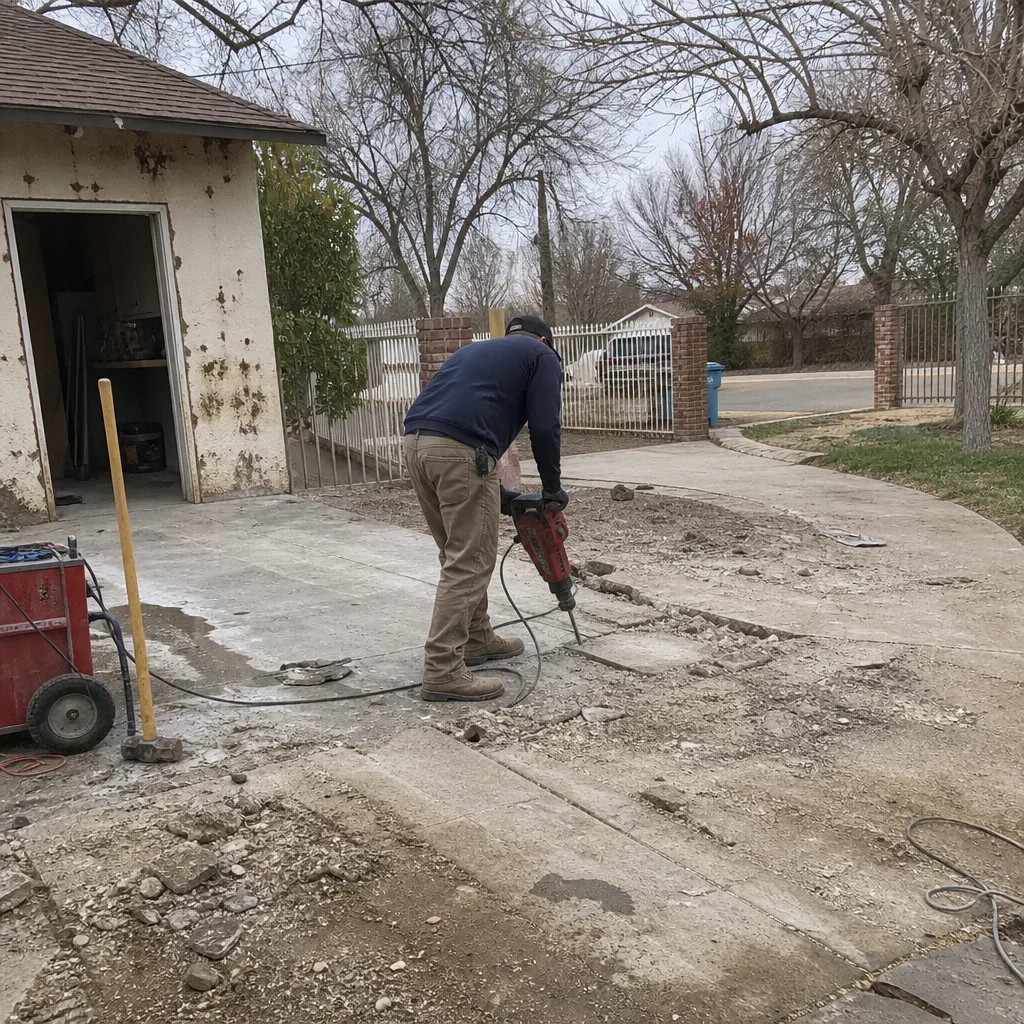 Before
 After
After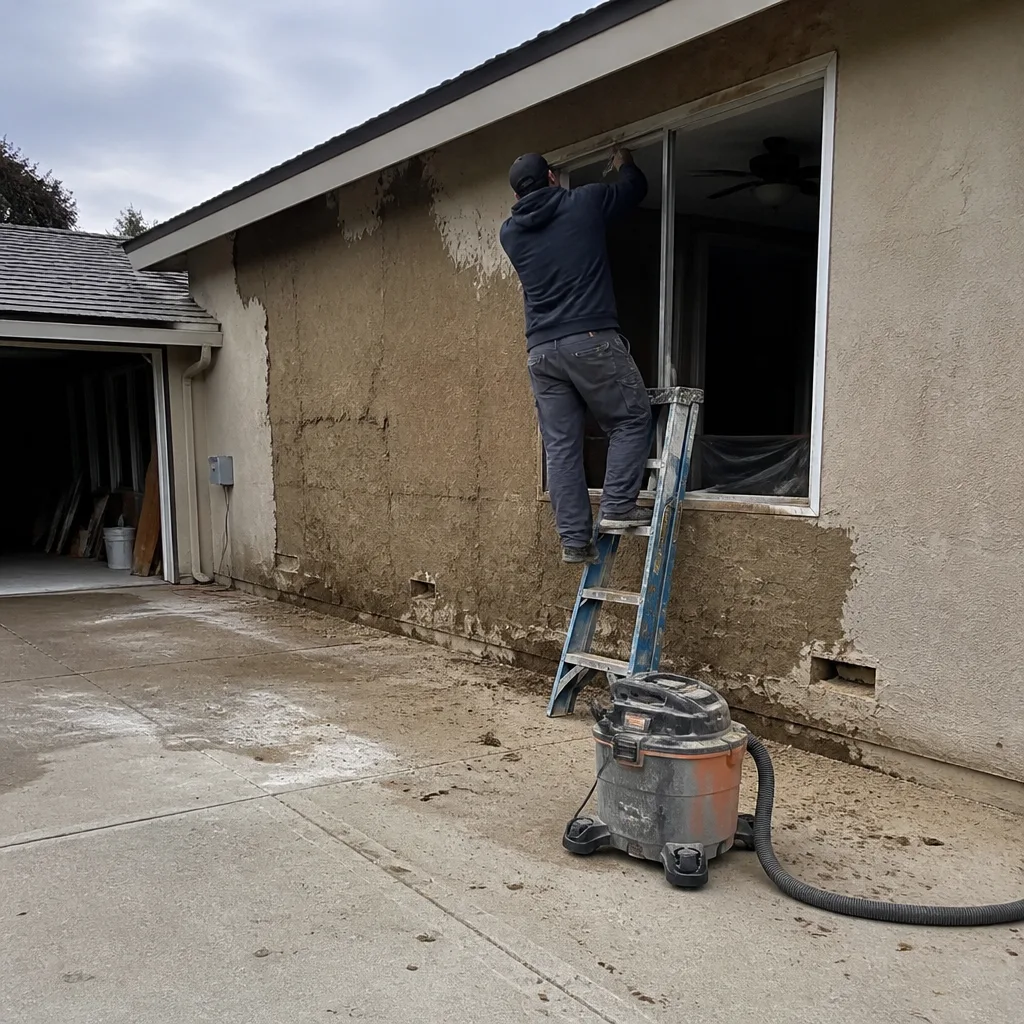 Before
 After
AfterWhen to Call a Professional
Call a licensed general contractor whenever the project touches structure, electrical, plumbing, or the building envelope. Specifically: any wall removal, any fixture relocation, any window or door size change, any water heater replacement, any garage conversion, and any room addition. The permit process is navigable by a homeowner, but the sequence of inspections, Title 24 filings, and plan corrections is where projects stall and costs multiply. A contractor who pulls permits as a matter of routine has seen the reviewer’s comments before, knows which drawing details get rejected, and schedules inspections without gaps. Elmstead Remodeling Fresno offers free estimates in Fresno – call (559) 540-8453 and we’ll walk the property with you, name the permits the project needs, and write the price down before any work starts. Learn more about our approach at Elmstead Remodeling Fresno home.
Frequently Asked Questions
A Fresno building permit for a typical interior remodel costs between $450 and $1,800 depending on scope, with smaller mechanical or electrical permits running $80 to $400. The permit fee is calculated on the city’s valuation of the work. Call (559) 540-8453 for an exact figure on your specific project – estimates are free.
In Fresno, getting caught means a stop-work order, correction fees, and a requirement to open walls for inspection if work was already covered. The unpermitted work also becomes a seller’s disclosure liability at resale and a potential insurance claim denial. The correction process usually costs more than the original permit would have.
Yes, a water heater replacement in Fresno requires a permit because it involves gas, flue, or supply line changes. A licensed plumber handles the permit as part of the standard installation. The permit costs roughly $80 to $180. Call (559) 540-8453 to confirm what your replacement requires.
Plan check for a simple Fresno remodel takes one to three weeks, with larger or Title 24-triggering projects running three to six weeks. Inspections add three to five weeks once work begins. The full permit-to-final timeline for a typical bathroom or kitchen remodel is eight to fourteen weeks.
Yes, a homeowner can pull their own permit for work on a property they own and occupy. The homeowner takes on the legal responsibility for code compliance and inspection scheduling. If a contractor is doing the work, the permit can still be in the homeowner’s name with the contractor listed as the licensed professional.
Yes, if the bathroom remodel moves plumbing, changes electrical, or alters framing. A cosmetic refresh that keeps every fixture in place and changes only finishes does not need one. Most bathroom remodels in Fresno fall into the permitted category. Call (559) 540-8453 to find out which category yours falls into – the evaluation is free.
The Bottom Line
Construction permits in Fresno are a property record, not a bureaucratic formality. They attach to the address, show up in the seller’s disclosure, and determine whether an insurance claim gets paid. The permit belongs in the homeowner’s name, the inspection sequence must be followed in order, and Title 24 requirements apply to more projects than most homeowners expect. Skipping any of these saves a few weeks on the front end and creates a liability that surfaces at the worst possible moment. The cheapest permit is the one pulled before the wall goes up. The most expensive one is the one pulled after the drywall is hung.
Written by Graham Stein, Owner at Elmstead Remodeling Fresno, serving Fresno since 2005.