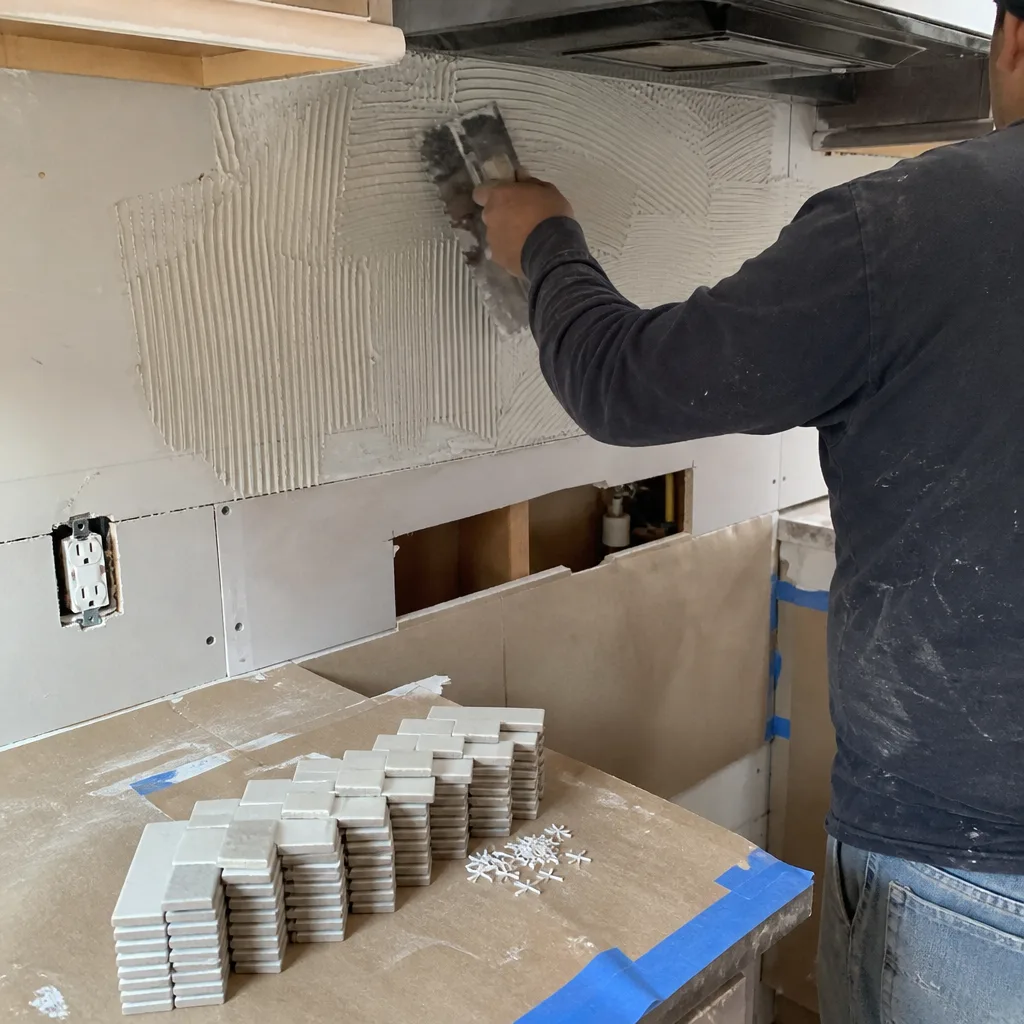
Last updated October 15, 2026

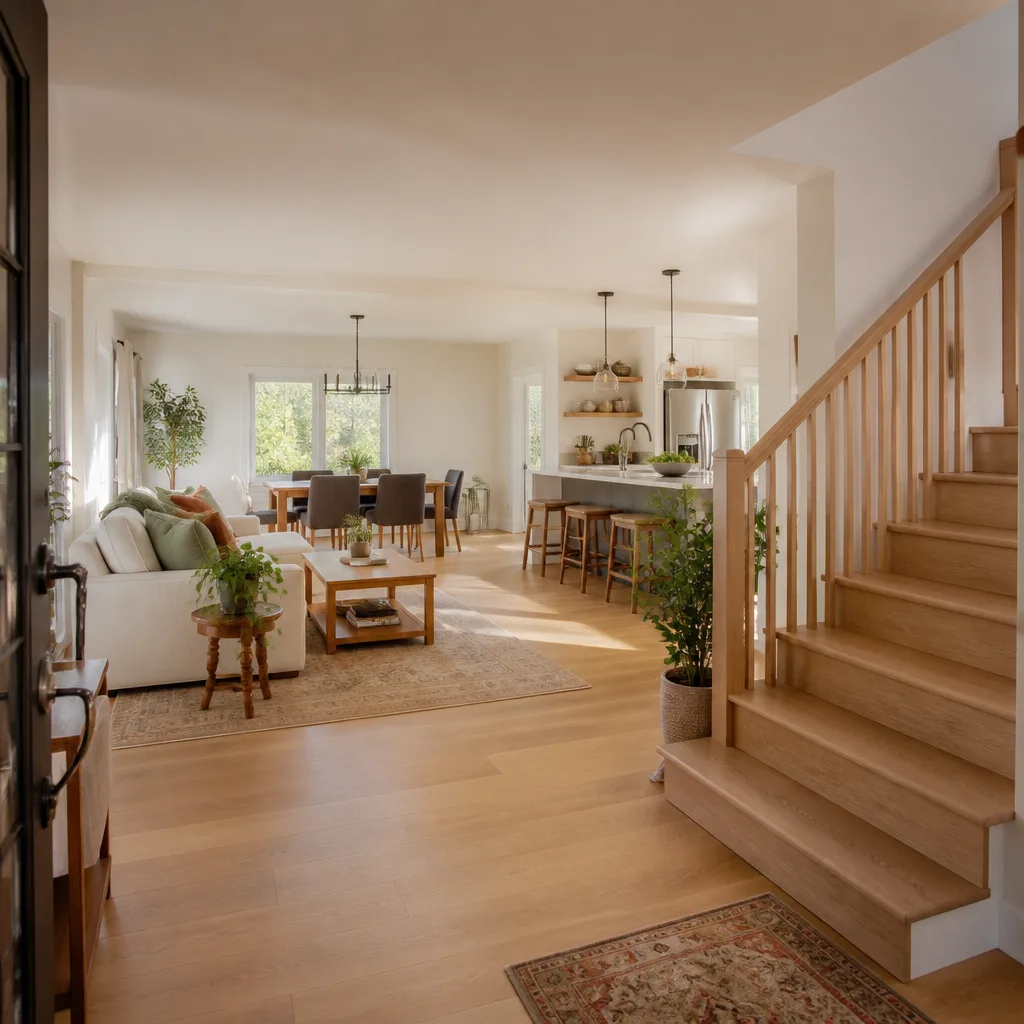


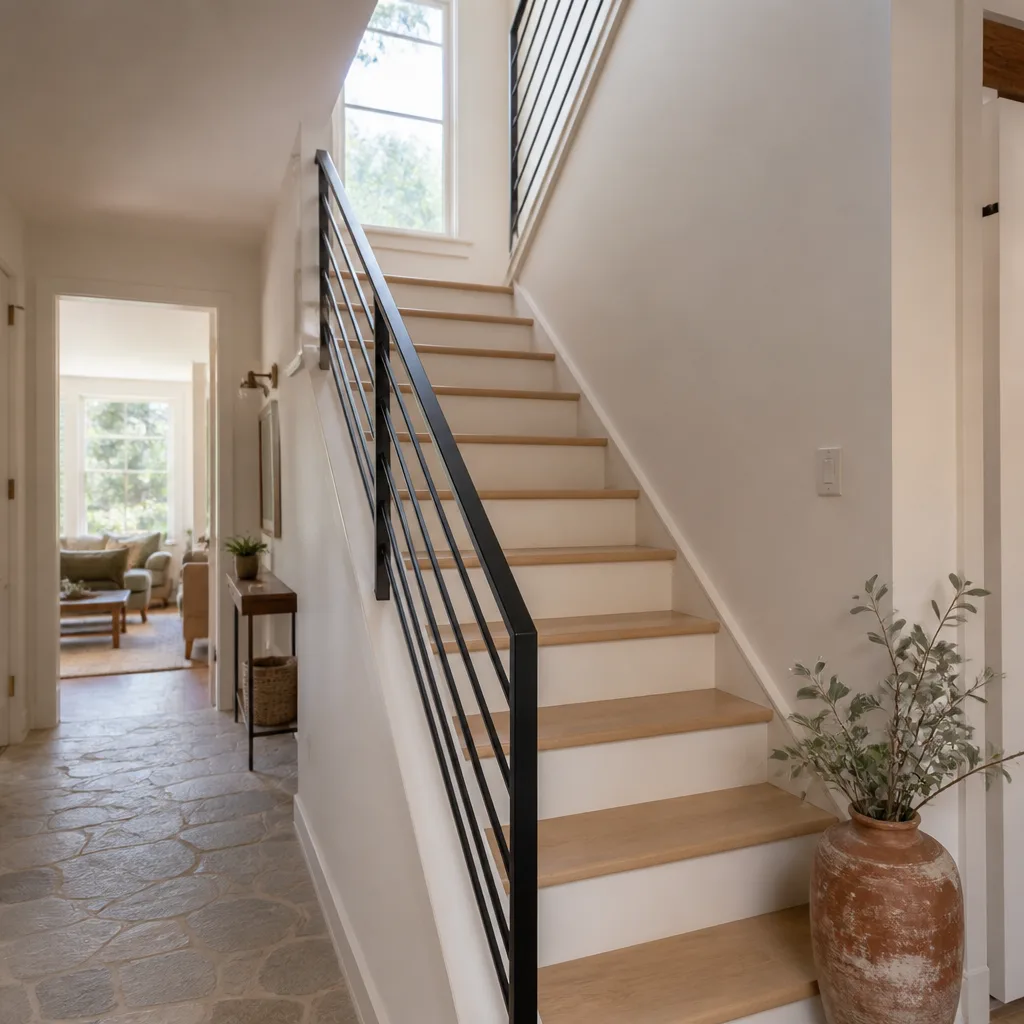
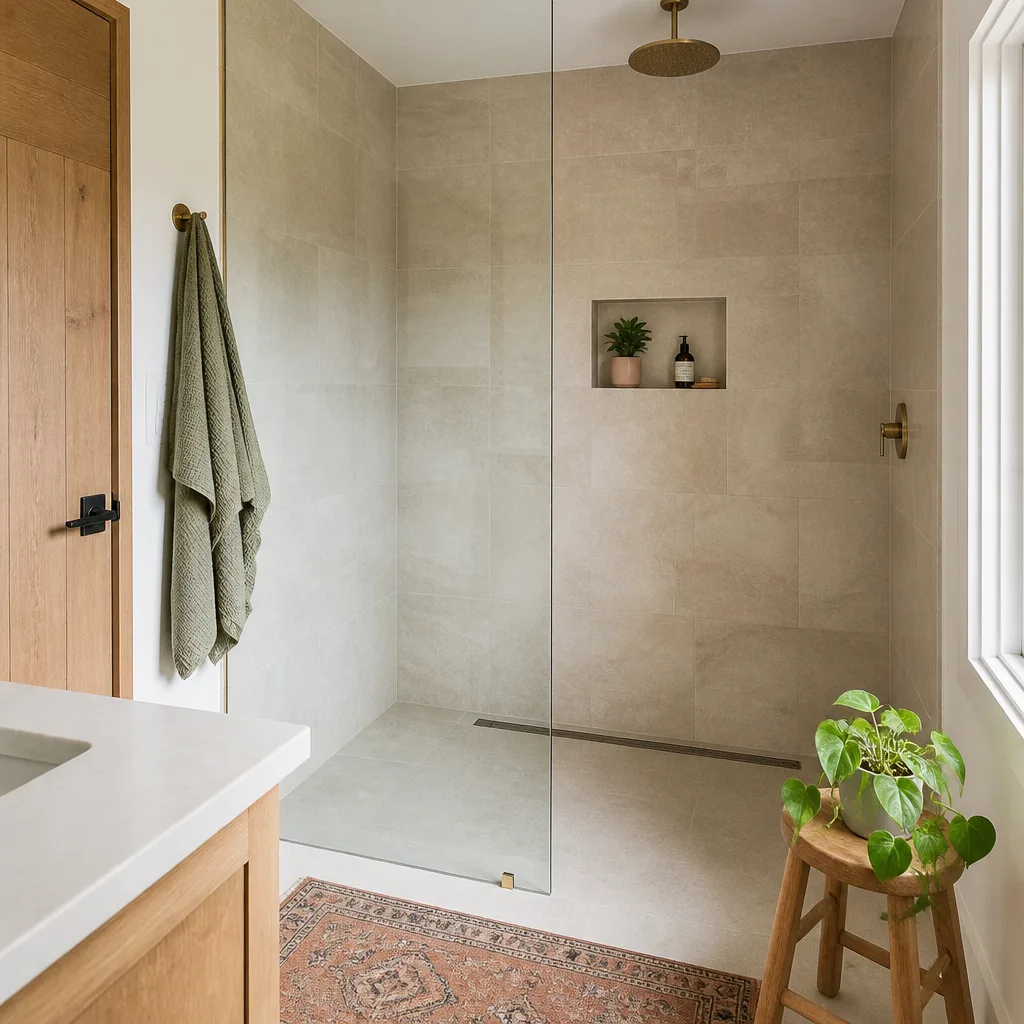

Free written scope consultation - allowances, timeline, and change-order rules on paper before a single trade is scheduled
The Complete Guide to Construction in Fresno
Most construction guides written for California start with the same assumptions: mild temperatures, stable soil, and a permitting office that moves at a predictable pace. None of those assumptions hold in Fresno. The San Joaquin Valley’s clay-heavy soils expand and contract enough each year to crack a poorly anchored foundation, summer pours routinely happen above 100°F, and the City of Fresno’s Development and Resource Management Department has its own way of doing things. This guide walks through what actually matters when you build or remodel in Fresno: the soil under your slab, the heat during your pour, the permit on your wall, and the written price in your hand before anyone swings a hammer. For Construction Warning Signs: A Fresno Homeowner’s Reference Guide, see our companion resource.
Styles & brands we work with

Quick Answer
Construction in Fresno succeeds when the project is designed around local conditions first: expansive clay soil that shifts with moisture, summer temperatures that alter concrete curing, and a city permit workflow with specific review triggers and timelines. Homeowners get the best results by hiring a contractor who assesses soil before designing the foundation, schedules pours to avoid peak heat, knows which materials hold up under high UV and low humidity, and provides a written price before any work begins.
Table of Contents
- Fresno Soil: Why Clay Changes Everything
- City of Fresno Permits: The Real Workflow
- Summer Heat and Concrete: What 100°F Does to a Pour
- Materials That Work in a High-UV, Low-Humidity Valley
- Written Pricing Before Work Starts: Why It Matters Here
- What Construction Costs in Fresno: Real Ranges
- How to Vet a Fresno Contractor
- Common Mistakes to Avoid
- When to Call a Professional
- Frequently Asked Questions
- The Bottom Line
Fresno Soil: Why Clay Changes Everything
Fresno sits on what geologists call expansive clay soil. The technical term is a Vertisol, and it behaves differently than the sandy loam common in coastal California. When wet, the clay swells. When dry, it shrinks and cracks. Over a single year, this cycle can move a foundation by a measurable fraction of an inch. Over ten years, a slab poured without proper preparation will show hairline cracks in the drywall, doors that no longer latch, and grout lines that pop.
In our experience working on homes across Fresno, from the Tower District to Woodward Park, the homes that hold up are the ones where someone asked the soil question before the foundation question. Here is what that looks like in practice:
- Soil assessment before design. A reputable contractor will pull a soils report or at minimum review the lot’s history before specifying slab thickness. On Fresno lots with known expansive clay, that often means a post-tension slab or additional rebar rather than a standard 4-inch pour.
- Moisture management around the perimeter. Gutters, downspouts, and grading matter more here than in coastal cities. Water pooling against a Fresno foundation is water entering the clay directly beneath it.
- Root barrier planning. Many Fresno neighborhoods have mature trees close to homes. Tree roots pull moisture out of clay soil unevenly, which causes differential settling. A contractor familiar with Fresno lots will plan for this before the slab goes in.
If you are planning a General Contractor in Fresno project, start the conversation with soil. Ask how the contractor assesses lot conditions, whether they adjust slab specifications for expansive clay, and how they handle drainage during construction. A contractor who dismisses the soil question is not ready to build in this valley.
City of Fresno Permits: The Real Workflow
The City of Fresno’s Development and Resource Management Department handles permits for residential and commercial construction within city limits; for details, see Construction Permits, Codes & Inspections in CA: What You Need to Know. The process is not mysterious, but it has specific quirks that catch first-time homeowners off guard. Knowing which projects trigger plan check review, and roughly how long that review takes, helps you plan a realistic timeline before you sign a contract.
Here is the workflow in the order it actually happens:
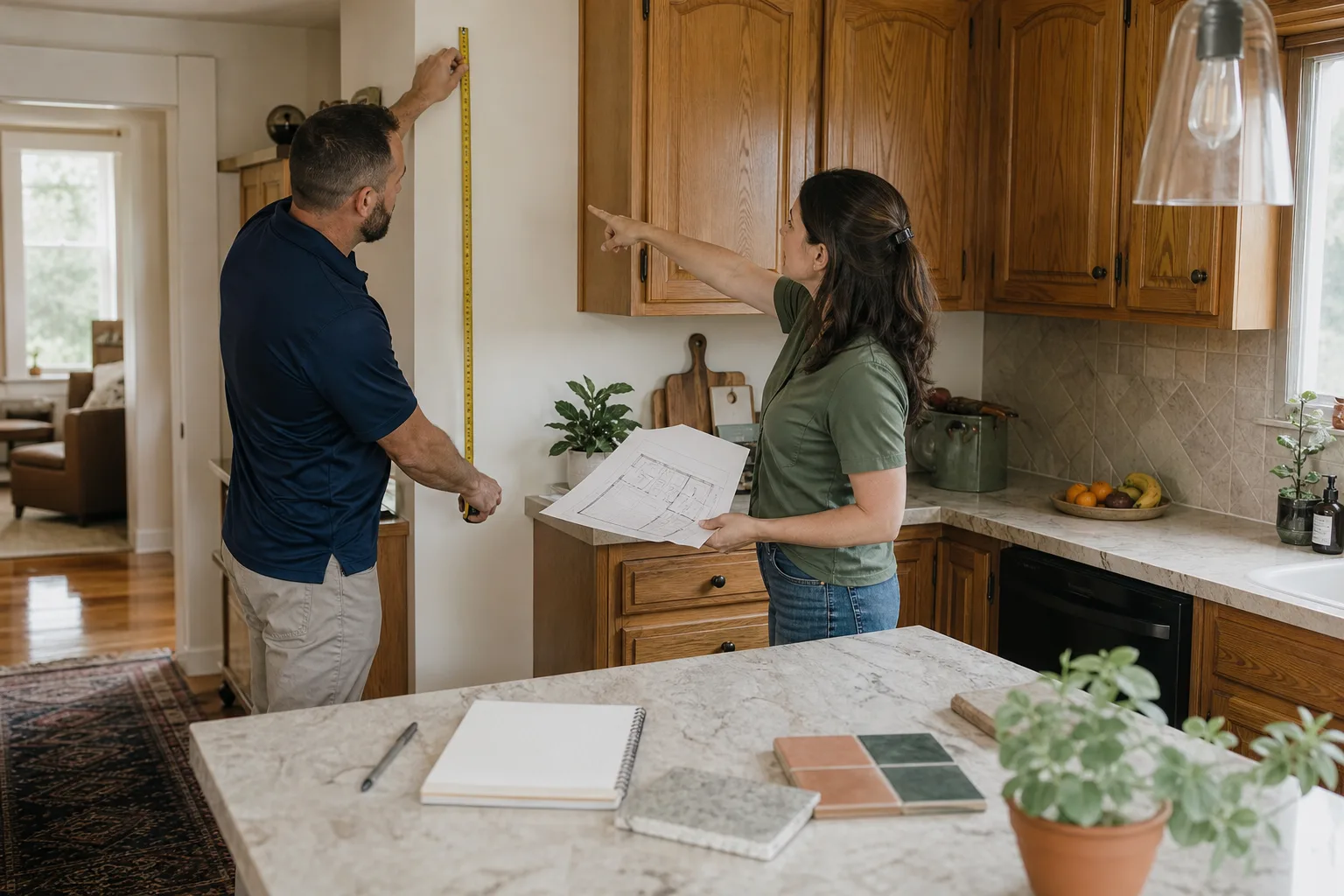
- Determine if your project needs a permit. In Fresno, structural changes, additions, electrical work, plumbing changes, and most remodels beyond cosmetic finishes require a permit. Painting, flooring replacement, and cabinet refacing generally do not. If you are unsure, call the department and ask. A live person answering the phone at your contractor’s office is good; a live person at the permit counter is even better.
- Submit plans for plan check if required. Projects that alter structure, square footage, or building systems typically go through plan check. This is where the department reviews drawings for code compliance. Simple remodels may qualify for over-the-counter permit issuance; complex additions go through full plan review.
- Wait through the review window. Typical turnaround for residential plan check in Fresno runs two to six weeks depending on workload and project complexity. This is not a hard guarantee, and summer months tend to be busier. Your contractor should build this window into the project schedule rather than promising a start date that ignores it.
- Respond to corrections if any. Plan reviewers often issue correction letters. A contractor with Fresno permitting experience knows how to respond efficiently rather than letting corrections stretch into months.
- Pull the permit and post it. The permit must be posted on site. Inspections happen at specific stages: footing, slab, rough framing, rough electrical, rough plumbing, insulation, and final. Each inspection must pass before the next phase proceeds.
- Close out the permit. The final inspection closes the permit. An open permit can complicate a future home sale, so verify with your contractor that the permit was formally closed before you consider the job done.
Fresno County has separate permitting for unincorporated areas like parts of Clovis-adjacent county land. If your property is outside Fresno city limits but in Fresno County, the process runs through the county’s Building and Safety Division. Make sure your contractor knows which jurisdiction applies before quoting the job.
Summer Heat and Concrete: What 100°F Does to a Pour
Concrete cures through a chemical reaction called hydration, and that reaction is temperature-sensitive. In Fresno, summer daytime temperatures routinely exceed 100°F from June through September. At that temperature, the surface water in fresh concrete evaporates faster than hydration can replace it. The result is surface cracking, reduced strength, and a slab that never reaches its intended compressive rating.
Reputable Fresno contractors adjust their pour schedule and curing methods. Here is what that looks like:
- Early morning or evening pours. Pouring at 5 a.m. is standard practice in Fresno summer months. The concrete goes in before the heat peaks, giving it hours of cooler temperatures to begin curing.
- Curing covers and moisture retention. After the pour, the slab is covered with wet burlap, plastic sheeting, or a curing compound that slows evaporation. This is not an optional step in Fresno; it is the difference between a slab that holds and one that spalls.
- Adjusted mix designs. Concrete suppliers serving Fresno offer summer mix designs with retarders or lower heat-generating cement blends. A contractor who orders the same mix in July as they do in January is not paying attention.
- Pour size management. Large slabs are sometimes poured in sections to keep the heat of hydration manageable. This is especially relevant for additions and garage slabs poured in the Valley’s peak heat.
For homeowners planning a Bathroom Remodeling in Fresno or Kitchen Remodeling in Fresno, the concrete considerations are less dramatic than for a full addition, but they still apply to any shower pan, floor leveling, or structural work. Ask your contractor when they plan to pour and how they will protect the pour from Fresno heat. The answer tells you more about their competence than any brochure.
Materials That Work in a High-UV, Low-Humidity Valley
Fresno gets roughly 270 sunny days per year, with summer UV indexes among the highest in the state. Humidity is low. This combination is hard on building materials, and the products specified for coastal projects often fail early here. The right material choices add years to a project’s life and reduce maintenance costs.
Here is what holds up in Fresno and what does not:
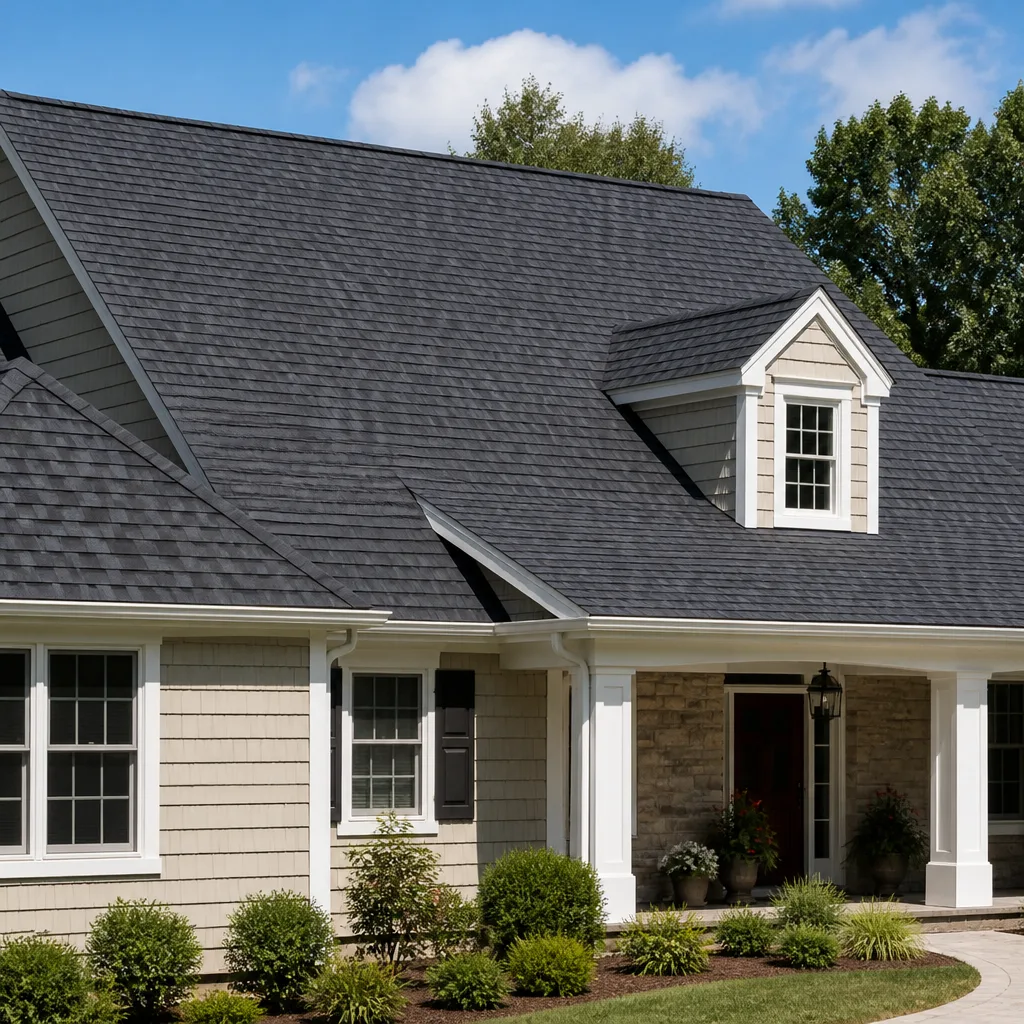
- Roofing. Composite shingles with higher UV stabilizers perform better than builder-grade shingles. Concrete tile and standing seam metal are also strong choices for Fresno’s sun load. Lighter colors reduce attic heat gain, which matters when summer attic temperatures exceed 140°F.
- Insulation. Spray foam insulation performs exceptionally well in Fresno’s temperature swings because it seals against both heat and dust intrusion. If you are opening walls, now is the time to upgrade from fiberglass batts that degrade in attic heat.
- Waterproofing. Low humidity does not mean no water problems. Bathroom waterproofing systems, particularly Schluter membrane systems for showers, hold up better than traditional cement board and tar paper in a valley where dry air pulls moisture out of building materials faster than they can re-absorb it.
- Exterior cladding. James Hardie fiber cement siding holds paint longer and resists UV degradation better than wood or vinyl in Fresno’s sun. It is a named-brand material we specify on exterior projects because the manufacturer’s warranty is tied to an actual performance record in this climate.
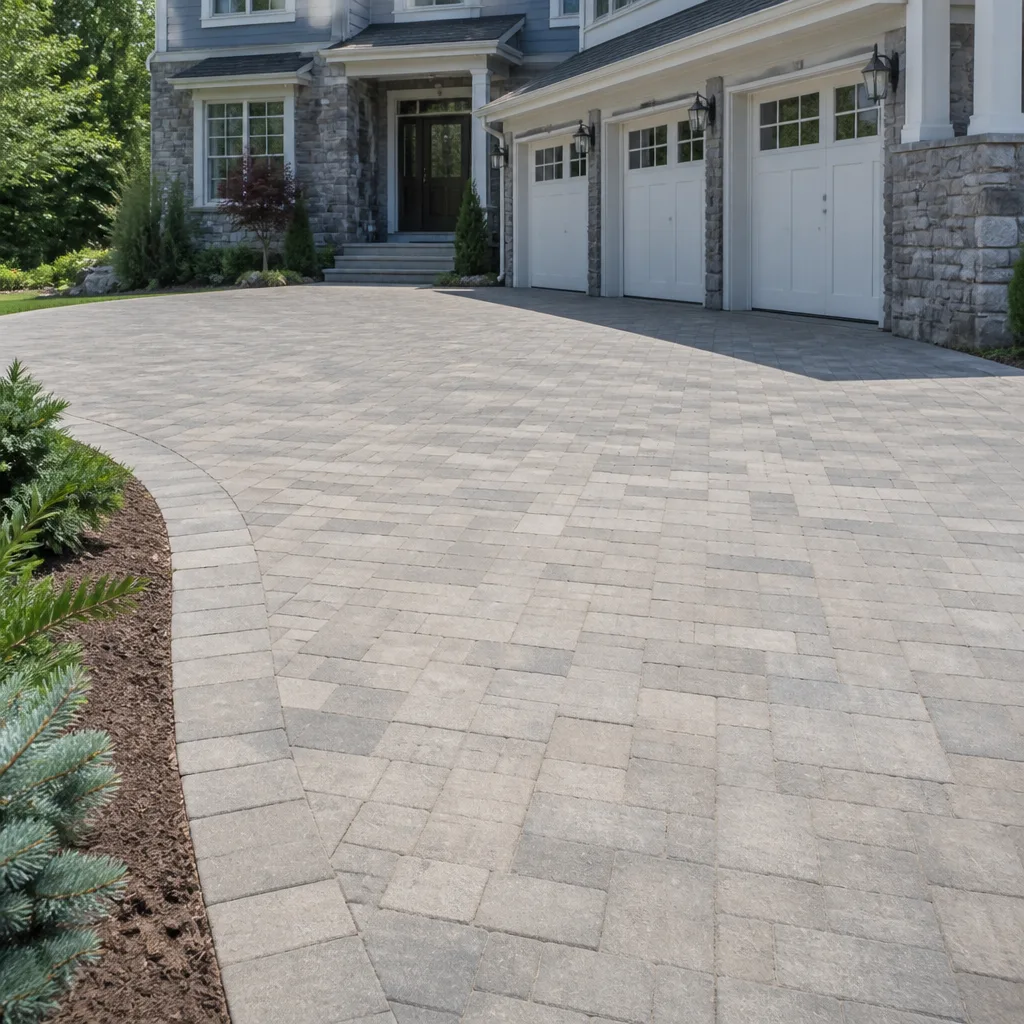
- Paving and hardscaping. Materials from manufacturers like Techo-Bloc and Cambridge Pavers are engineered for freeze-thaw cycles and UV exposure. In Fresno, the UV exposure is the relevant factor. Cheaper pavers fade unevenly within a few seasons. Products from Quikrete are also common for Fresno projects where a bagged concrete solution makes sense for small pours and repair work.
When a contractor specifies materials, ask why that material was chosen for Fresno specifically. If the answer is “because it is what we always use,” keep looking. The right answer references UV exposure, temperature swing, or the manufacturer’s warranty terms that apply to this region.
Written Pricing Before Work Starts: Why It Matters Here
Fresno’s construction market fluctuates with seasonal demand. Lumber prices shift. Trades get busy in spring and fall, and their labor rates follow. In a market like this, cost-plus contracts are risky. A cost-plus contract charges you the contractor’s actual cost plus a percentage markup. When lumber spikes mid-project, you absorb the spike. When a sub bids higher than expected, you pay the difference.
The alternative is a written, fixed price before any work starts. This is the standard we hold for every project at Elmstead Remodeling Fresno. Here is why it matters specifically in Fresno:
- Seasonal price swings. Framing lumber, drywall, and concrete all move with demand. A written price locks the quote at the time of signing, so a summer lumber spike does not become your problem.
- Subcontractor availability. Fresno’s skilled trade pool is deep but seasonal. When subs are booked, their rates climb. A contractor who has already committed to a written price absorbs that cost rather than passing it through to you.
- No change order surprises. A written price should include the full scope. Change orders should only arise when you, the homeowner, change the scope. Not when the contractor “discovers” something that a competent pre-project walkthrough would have caught.
The written price promise is one part of the Elmstead Remodeling Fresno home standard: every project gets a written, line-item price before any work begins. If a contractor will not put the price in writing before you sign, walk away. In a fluctuating market, the contractor who absorbs price risk is the contractor who knows how to plan.
What Construction Costs in Fresno: Real Ranges
Here are realistic ranges for common Fresno construction projects as of 2026. These are planning numbers, not quotes. Every project has variables: soil conditions, access, existing structure condition, and material selections all move the final number. But these ranges reflect what we see across Fresno neighborhoods, from Fig Garden to Sunnyside.
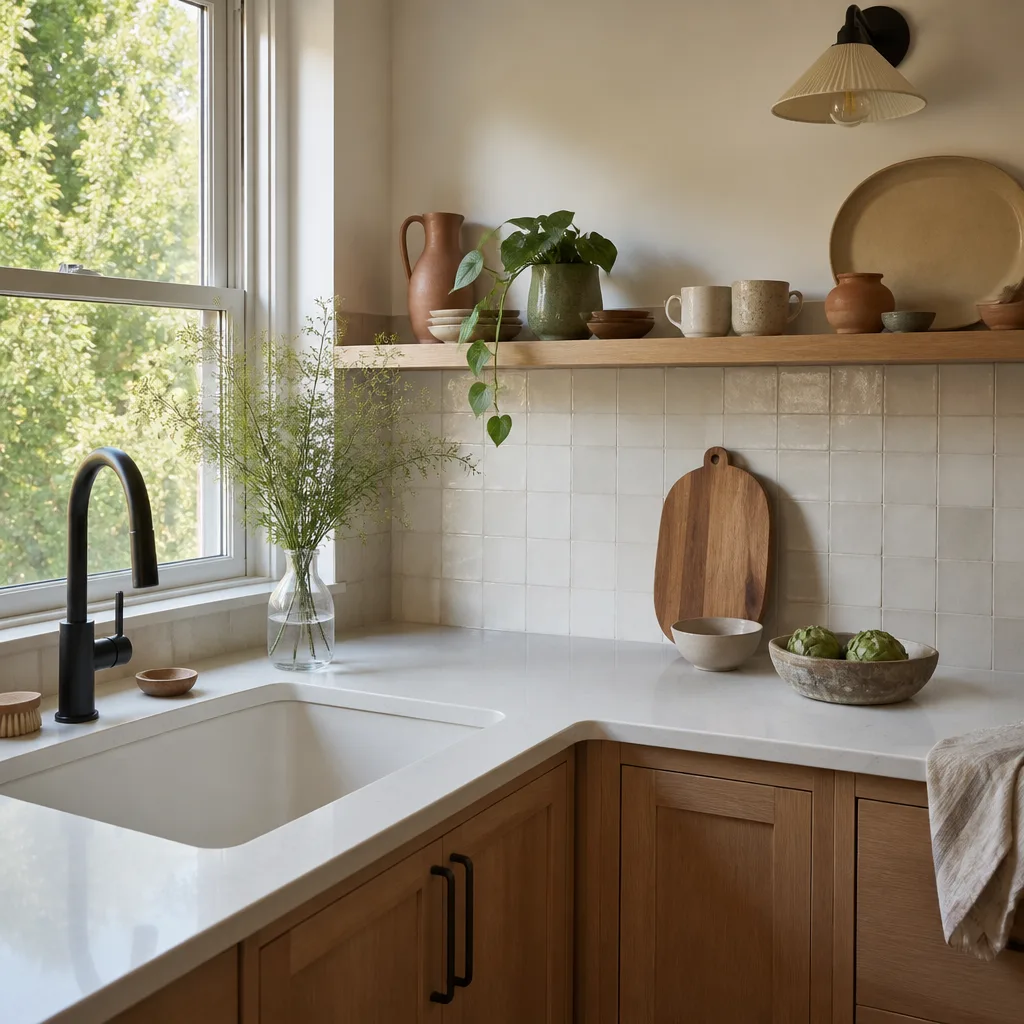
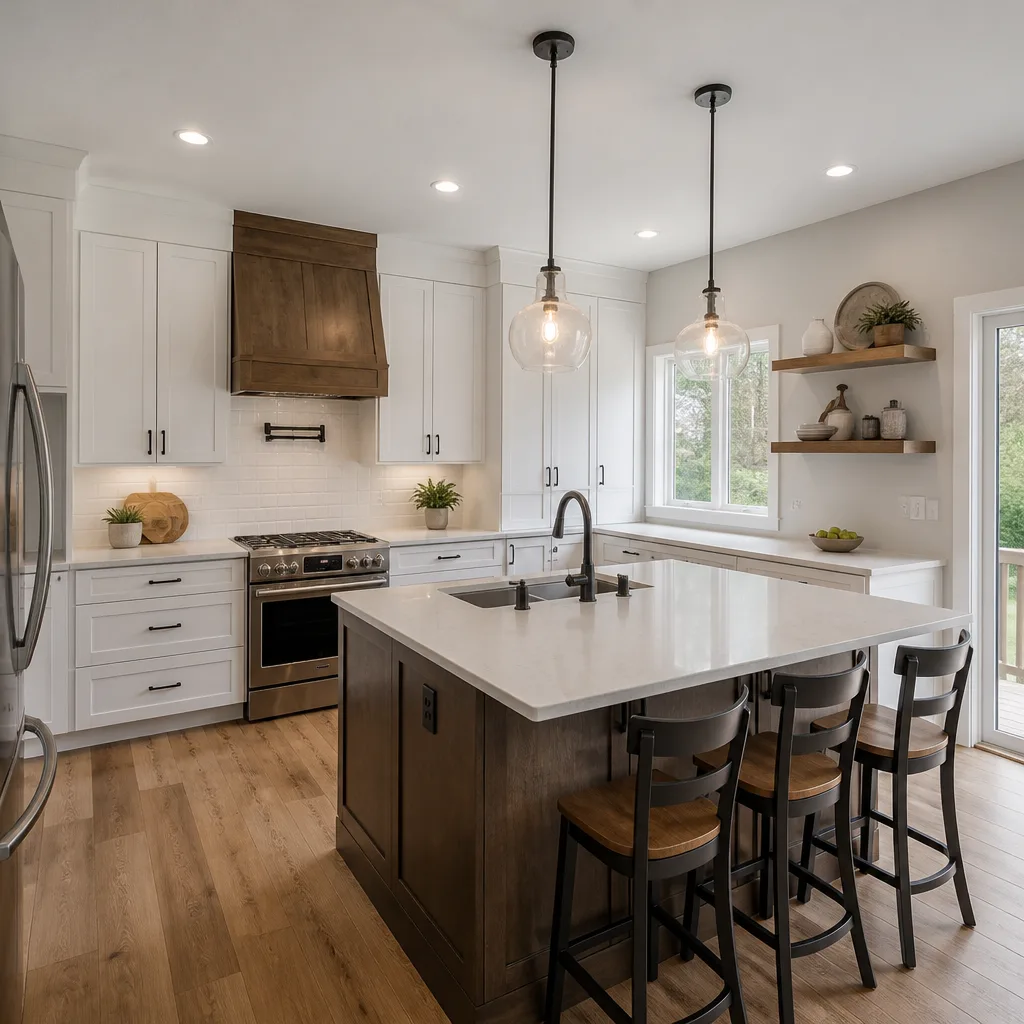
- Kitchen remodel, mid-range: $45,000 – $85,000. Includes named-brand cabinets (KraftMaid or Wellborn), stone or quartz countertops, new fixtures, and some layout adjustment. Full gut renovations with structural changes run higher, often $90,000 – $130,000.
- Bathroom remodel, mid-range: $22,000 – $40,000 for a standard full bathroom. A primary bathroom with a custom shower, Schluter waterproofing, and higher-end fixtures from Kohler or Moen runs $45,000 – $70,000.
- Room addition: $250 – $400 per square foot. Fresno’s soil requirements and summer concrete considerations mean foundation work is not the place to cut corners. A 400-square-foot addition typically lands between $100,000 and $160,000.
- Whole-home remodel: $150 – $350 per square foot depending on the age of the home and the depth of the remodel. Older Fresno homes with original electrical and plumbing need more infrastructure work before finishes go in.
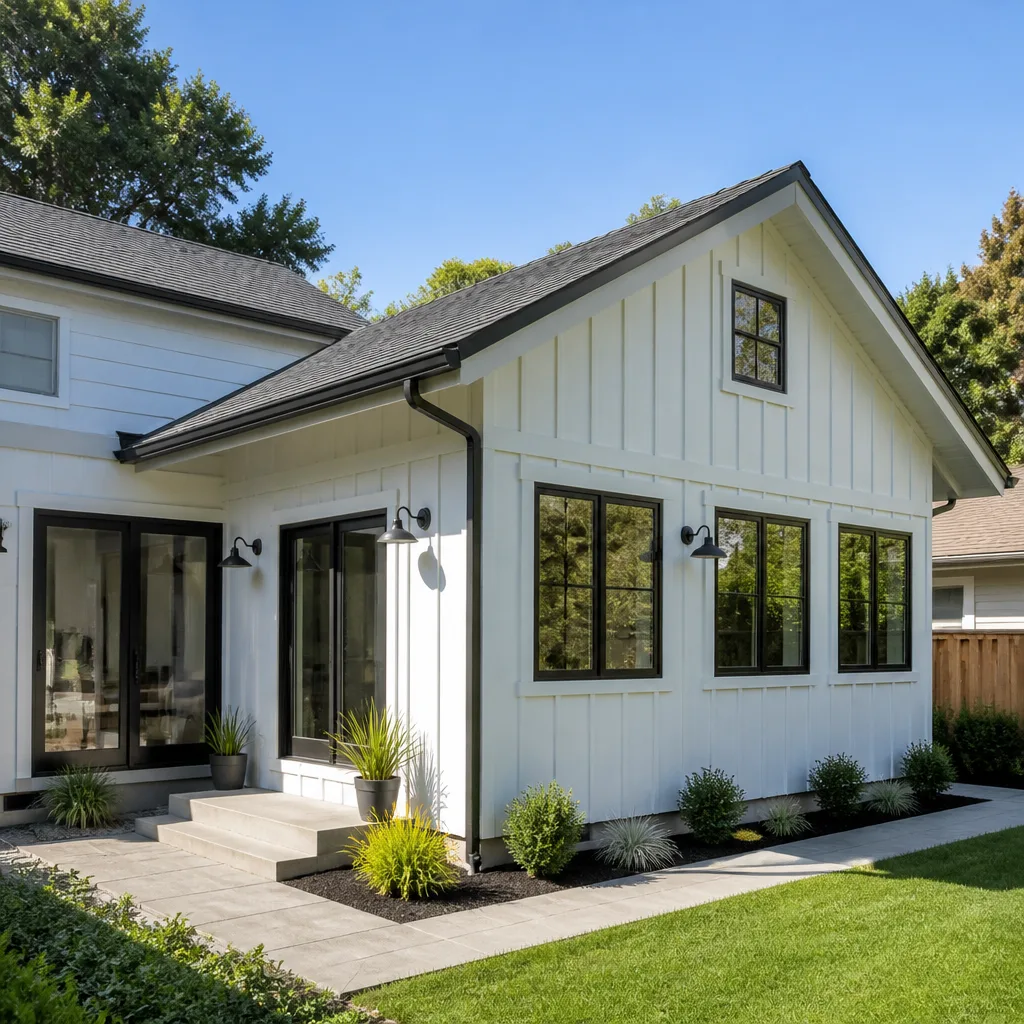
- Exterior replacement (siding, windows, roofing): $30,000 – $85,000 for a typical Fresno single-family home. James Hardie siding and higher-UV-resistant roofing materials add cost but reduce replacement frequency.
These ranges are higher than national averages. Construction costs in California run above most of the country due to labor rates, material transport, and code requirements. In Fresno specifically, soil preparation and summer scheduling add legitimate cost that cheaper bids may simply omit. When one bid comes in dramatically lower than others, ask what the lower bidder is not including.
How to Vet a Fresno Contractor
The contractor you hire determines whether your project holds up through a decade of Fresno summers. Here is a step-by-step vetting process that works for construction projects in this city:
- Verify licensing and insurance. California requires a state contractor’s license for any project over $500. Check the license number on the Contractors State License Board website. Verify that the license is active and that workers’ compensation insurance is in place. Ask for a certificate of insurance naming you as an additional insured.
- Ask about Fresno-specific experience. Request references from projects in Fresno, not in other cities. Asphalt paving in Modesto does not tell you how a contractor handles Fresno clay soil or Fresno summer pours.
- Ask about the permit process. A contractor who encourages you to skip permits is a red flag. In Fresno, unpermitted work can complicate insurance claims and future home sales. A contractor who knows the City of Fresno’s Development and Resource Management Department workflow will mention plan check, inspections, and permit closeout without prompting.
- Get the price in writing before work starts. This is non-negotiable. The written price should include the full scope, material specifications by brand name, and a payment schedule tied to milestones, not dates.
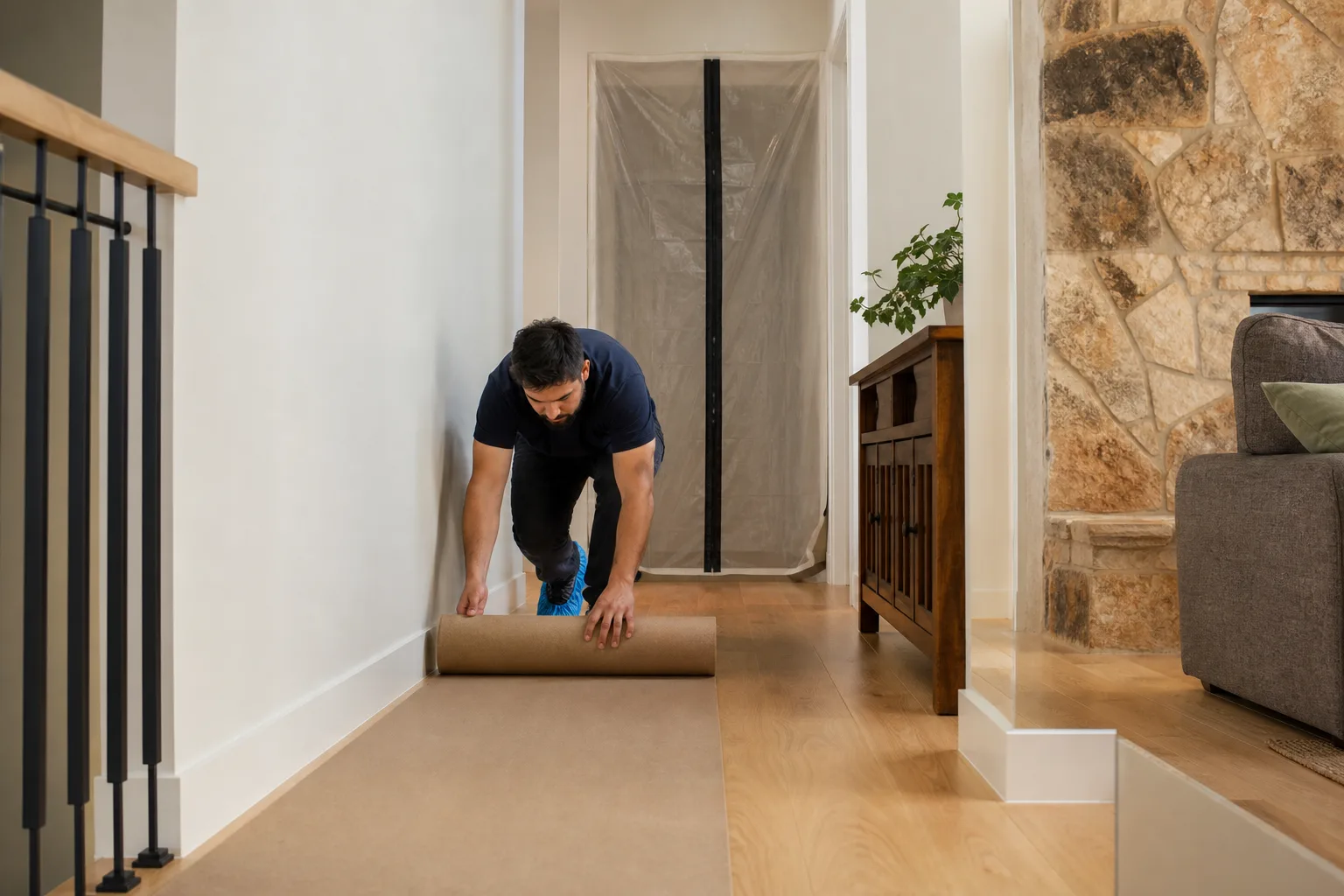
- Ask how the crew will treat your home during the project. This matters more for families with children and pets. Will the crew use shoe covers at the door? Drop cloths on the floors? Are tools quiet during nap hours where possible? Are products chosen with pets in mind? The answers reveal whether the contractor sees your home as a job site or as a home.
- Ask about the post-completion warranty. Every contractor should stand behind their work. Ask what happens if something fails after the job is done. At Elmstead Remodeling Fresno, every project carries a 365-Day Done Right Promise: if it is not done right after the job is complete, we make it right.
Vetting takes time, but it is the highest-return work you will do on any Fresno construction project. The contractor you choose is the single biggest variable in whether the project comes in on budget and holds up over time.
Common Mistakes to Avoid
- Ignoring soil conditions before designing the foundation. Fresno’s expansive clay will move your slab if the foundation is not designed for it. A contractor who pours a standard 4-inch slab without assessing soil is creating a future crack pattern. Ask about soil assessment before you approve the foundation plan.
- Scheduling a concrete pour for a July afternoon. Pouring concrete in peak Fresno heat without curing covers and adjusted mix designs invites surface spalling and reduced strength. Ask when the pour is scheduled and how the contractor will protect it. If the answer does not include early morning timing and moisture retention, find another contractor.
- Accepting a verbal estimate as a final price. A verbal number is not a price. In Fresno’s fluctuating market, lumber and labor costs move between the verbal estimate and the signed contract. Insist on a written, line-item price before any work begins.
- Skipping permits to save time or money. Unpermitted work in Fresno becomes a problem when you sell the home or file an insurance claim. The permit process exists for a reason, and a contractor who avoids it is transferring that risk to you.
- Choosing materials based on coastal California recommendations. A roofing or siding product that performs fine in Monterey may degrade years early in Fresno’s high-UV, low-humidity climate. Choose materials specified for inland valley conditions, and ask the contractor to explain the choice.
- Hiring the lowest bid without asking what is excluded. A low bid in Fresno often omits the soil work, the curing covers, the permit fees, or the named-brand materials. There is always a reason the number is low. Ask for a line-item breakdown and compare what is actually included.
When to Call a Professional
Any structural work, foundation work, permitted remodel, or project involving electrical, plumbing, or gas lines belongs in the hands of a licensed professional. In Fresno, that also includes any project where the soil under the slab matters, which is most of them. If you are planning a kitchen remodel, a bathroom remodel, a room addition, or a whole-home renovation, the professional you hire should be prepared to discuss soil conditions, summer scheduling, permit timelines, and material specifications for this specific climate. Browse our more guides & resources for additional help.
Elmstead Remodeling Fresno offers free estimates in Fresno. Call (559) 540-8453 and a live person will answer, 24/7. We will walk through your project, provide a written price before any work starts, and answer whatever questions you have about Fresno-specific construction challenges. No voicemail, no bot, no waiting until Monday.
Frequently Asked Questions
A mid-range kitchen remodel in Fresno typically costs $45,000 – $85,000, while a full gut renovation with structural changes runs $90,000 – $130,000. The range depends on cabinet brand, countertop material, layout changes, and whether any structural work is required. Call (559) 540-8453 for a written, line-item price on your specific project.
Residential plan check through the City of Fresno’s Development and Resource Management Department typically takes two to six weeks, depending on project complexity and seasonal workload. Over-the-counter permits for simple projects can be issued the same day. Your contractor should build this timeline into the schedule from the start.
Yes, most bathroom remodels in Fresno require a permit because they involve plumbing and electrical changes. Cosmetic-only updates like painting or replacing a vanity without moving plumbing generally do not require a permit. Your contractor should handle the permit process and schedule the required inspections.
Fresno sits on expansive clay soil that swells when wet and shrinks when dry. This movement puts stress on foundations and causes cracks in slabs that were not designed for the soil conditions. A soils report and appropriate slab specifications are essential for any major construction or addition in Fresno.
Fall and early spring are ideal for starting Fresno construction projects because temperatures are moderate for concrete work and material storage. Summer pours require careful scheduling and curing protection, while winter brings shorter weather windows but manageable temperatures. The timing depends on the scope, and a good contractor will explain how the season affects your specific project.
You know because it is in writing. A written, fixed price before any work starts means the price does not change unless you change the scope. Avoid cost-plus contracts in Fresno’s fluctuating market, and ask any contractor whether their quote is fixed or subject to change. If they will not commit in writing, do not sign.
The Bottom Line
Construction in Fresno is not the same as construction in coastal California. The clay soil demands foundation preparation that generic guides skip. The summer heat demands pour scheduling and curing methods that amateurs ignore. The permitting office has its own workflow, and the material choices that work in this high-UV, low-humidity valley are specific to the valley. Find a contractor who knows all of this, who puts the price in writing before work starts, and who treats your home with shoe covers and drop cloths rather than excuses. That contractor is worth the search. Call (559) 540-8453 to schedule a free estimate with a team that builds for Fresno conditions.
Written by Graham Stein, Owner at Elmstead Remodeling Fresno, serving Fresno since 2005.
See the difference
 Before
 After
After Before
 After
After Before
 After
After