Last updated October 15, 2026







Free written scope consultation - allowances, timeline, and change-order rules on paper before a single trade is scheduled
How to Hire a Construction Contractor in Fresno: A Step-by-Step Guide
California’s Contractors State License Board fielded over 20,000 complaints in a recent year, and the single most common thread wasn’t shoddy work. It was homeowners who never asked to see a written contract before work started. That’s a striking failure point, because in Fresno the difference between a smooth remodel and a six-month headache is rarely talent. It’s paperwork, verification, and the willingness to ask hard questions before a single tool comes off the truck. This guide walks you through the entire process, step by step, and you can explore more guides & resources once you finish, so you can hire with the same clarity you’d bring to any major family decision.
Quick Answer
To hire a construction contractor in Fresno, verify the contractor’s CSLB license at cslb.ca.gov, request a written price that includes materials, labor, timeline, and a payment schedule before any work starts, ask for the change-order process in writing, and evaluate the warranty’s actual resolution terms, not just its duration. The lowest bid in Fresno’s current labor market is a flag to investigate, not a reason to celebrate. A trustworthy contractor will hand you documents without hesitation; a risky one will stall.
Styles & brands we work with
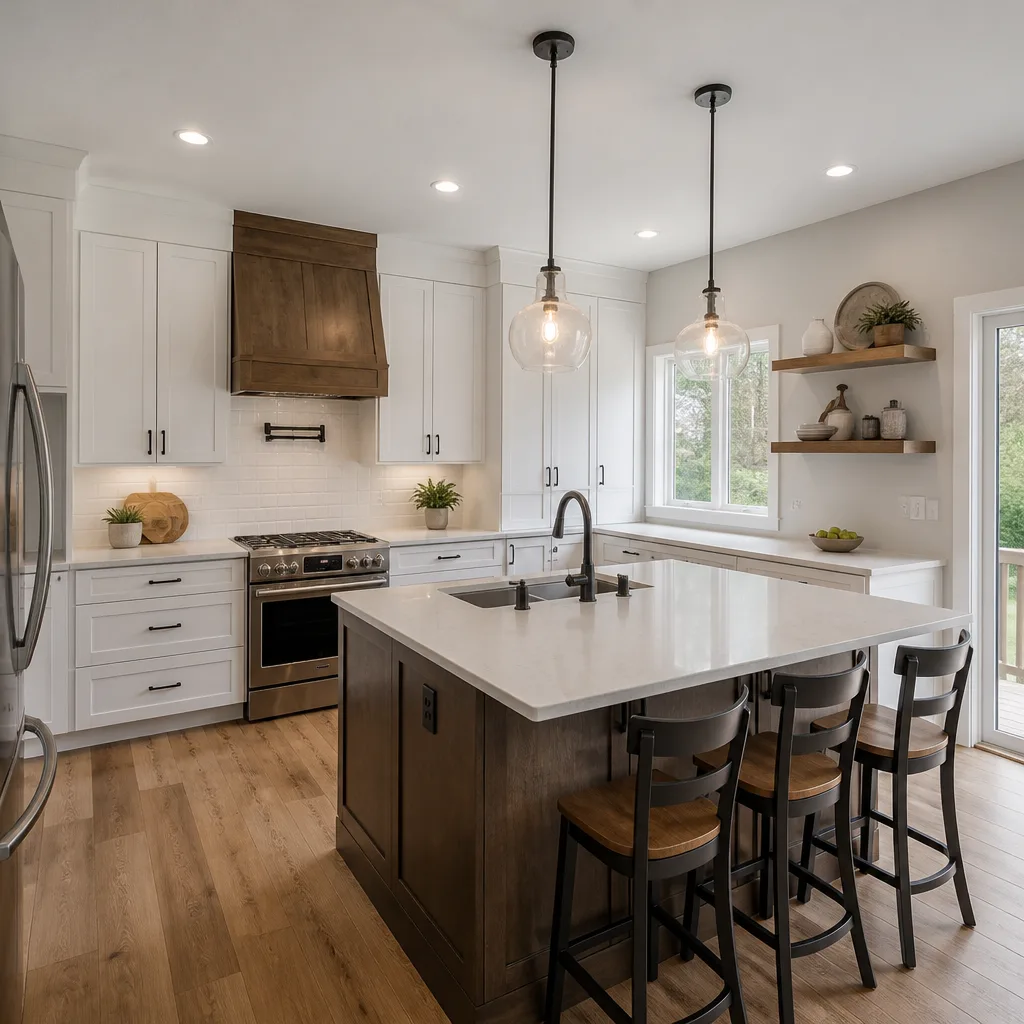





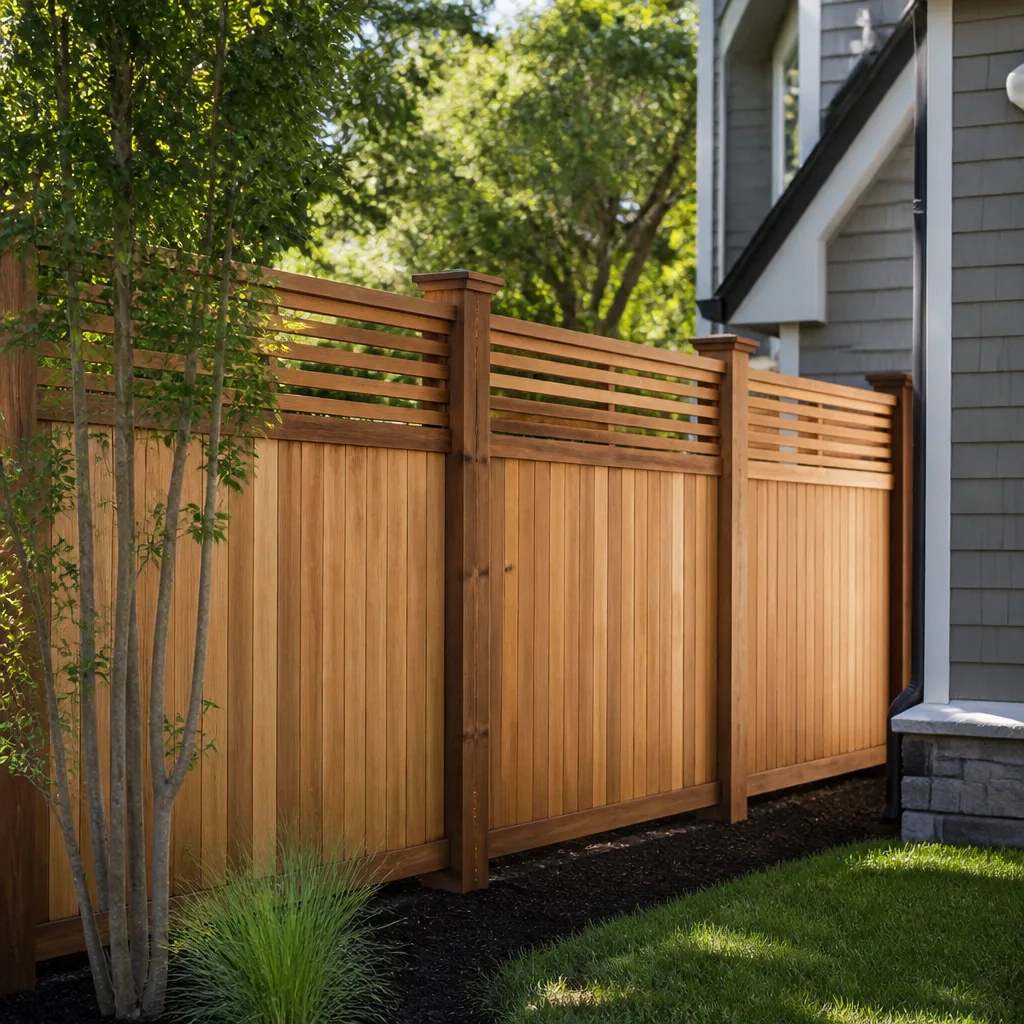
Table of Contents
- Step 1: Verify the CSLB License in Under Two Minutes
- What License Classifications Tell You About Who Can Do What
- The Written Price vs. the Estimate: What California Law Requires
- Phrases in a Contract That Signal It Is Not Binding
- Why the Lowest Bid in Fresno Is a Data Point to Investigate
- The Change-Order Conversation to Have Before Work Starts
- How to Evaluate a Warranty Beyond Its Duration
- The Questions That Reveal How a Contractor Actually Runs a Job
Step 1: Verify the CSLB License in Under Two Minutes
The first thing to do when hiring a contractor in Fresno is verify the license. California’s Contractors State License Board maintains a public database at cslb.ca.gov, and the search takes less than two minutes. Type in the contractor’s name or license number, and the system shows you the license status, the classification, the issue date, the expiration date, and any enforcement actions on record. This is not an optional step. An unlicensed contractor working in Fresno cannot legally perform work over $500 in combined labor and materials, and if something goes wrong, your homeowner’s insurance may not cover the damage. In our experience serving Fresno families, the homeowners who skip this step are the ones who end up with the hardest stories to fix.
Here is the two-minute process:
- Go to cslb.ca.gov and click “Check a Contractor’s License.”
- Enter the license number or the contractor’s business name.
- Confirm the license status says “Active” and not “Suspended” or “Revoked.”
- Check the expiration date. A license that expires mid-project is a problem.
- Note the classification. This tells you what the contractor is legally allowed to do.
- Look at the “Workers’ Comp” field. If it says “Exempt,” the contractor has no employees, which is fine for a small job but a red flag for a whole-home remodel.
One more check: ask the contractor for their driver’s license or a photo ID that matches the name on the CSLB record. In Fresno, we occasionally hear about unlicensed operators borrowing a licensed contractor’s number. The CSLB database shows a physical description of the license holder if you scroll down. Match it. If the person standing in your doorway is not the person on the license, walk away.
What License Classifications Tell You About Who Can Do What
California issues several license classifications, and knowing them protects you from hiring someone who is legally barred from doing your job. A “B” license, which stands for General Building, allows a contractor to take on a full project that spans multiple trades: framing, drywall, plumbing, electrical, tile, and finish work. A “C” license is a specialty classification, like C-36 for plumbing or C-10 for electrical. A C-36 plumber cannot legally build you a kitchen. A B-General contractor cannot legally pull an electrical permit unless they hold the C-10 classification or a certified electrician on the crew.
When you hire a contractor in Fresno to manage a remodel, you want a B-General license, because that classification covers the whole scope of work. If the project is a single trade (say, a repipe or a panel upgrade), a C-license holder is the proper hire. We hold a General Contractor license for Fresno projects, which means our crews can handle the full sequence of a remodel, from demo to the final walkthrough. Here is what the classifications mean in practice:
- B-General Building: Can manage multi-trade projects like kitchen and bathroom remodels, additions, and whole-home work.
- C-36 Plumbing: Can run water and gas lines but cannot legally frame a wall or set cabinets.
- C-10 Electrical: Can wire panels and circuits but cannot legally tile a shower.
- C-54 Tile: Can set tile and stone but cannot legally run a gas line for a new range.
The license classification is your first legal boundary. When someone tells you they “can do it all,” check the classification against the scope. If it does not match, the work is not covered by the contractor’s bond and your homeowner’s insurance may not respond to a claim.
The Written Price vs. the Estimate: What California Law Requires
There is a real legal difference between an estimate and a written price, and Fresno families deserve to know it before they sign anything. An estimate is a rough guess. A written price is a binding document. California law requires that any home improvement contract over $500 include a written contract that specifies the total price, the scope of work, the materials to be used, the start and completion dates, and a payment schedule. If a contractor hands you a one-page estimate with a number at the bottom and says “we can formalize it later,” they have not given you a written price. They have given you an opening position.
Here is what a real written price must include, and what we put in writing before any Elmstead project in Fresno begins:
- Materials: Named products, not phrases like “standard grade.” A contract that says “cabinet, white” is not a materials list. A contract that says “KraftMaid cabinet, Devon style, maple, painted white” is.
- Labor: The total labor cost broken down by phase, so you can see what you are paying for demo, rough-in, finish work, and punch list.
- Timeline: A start date and a projected completion date, with a defined process for weather or material delays.
- Payment schedule: The deposit amount, progress payments tied to specific milestones, and the final payment owed only after the punch list is complete.
- Change-order process: How changes are requested, priced, and approved in writing before any additional work begins.
Our practice is to give every Fresno homeowner a written price before any work starts, every time, on every project. No estimates that grow after the crew arrives. That is the single most important difference between a contractor relationship and a gamble.
Phrases in a Contract That Signal It Is Not Binding
Some contracts are written to look binding but are actually designed to let the contractor walk the price up after work starts. These phrases appear in Fresno contracts more often than they should, and you should treat each one as a reason to ask for a rewrite:
- “Estimate subject to change based on actual site conditions.” This is a blank check. A professional contractor opens walls and knows how to price for what they find. If the scope changes, there should be a written change order, not a blanket escape clause.
- “Allowances may vary.” An allowance is a budget placeholder for a material that has not been selected yet. “May vary” means the contractor expects it to go up. Ask that allowances be firm, or removed entirely in favor of named products.
- “Owner responsible for all permits and fees.” In Fresno, the contractor should pull the permits and the permit fees should be listed in the contract. If the contract pushes permits back to you, you have just become the general contractor in the eyes of the city.
- “Payment due upon substantial completion.” “Substantial” is a word lawyers use when they want room to argue. Ask for the final payment to be tied to a written punch list that both parties sign.
- “Contractor not responsible for delays beyond their control.” Material delays happen. But the contract should say how the contractor communicates delays and what the new timeline looks like, not just that they are not responsible.
A written price is only as good as the words that define its boundaries. Read every line. If a phrase feels designed to protect the contractor from having to honor the number at the top of the page, it probably is.
Why the Lowest Bid in Fresno Is a Data Point to Investigate
Fresno’s construction labor market is tight, and seasoned crews command seasoned rates. So when one bid comes in 30% below the other two, something specific is going on. It could be a smaller crew, a lower overhead, or a contractor who is hungry for work. But it could also be a contractor who is not carrying workers’ compensation insurance, not pulling permits, or planning to use lower-quality materials and make up the difference in change orders. The lowest bid is not automatically bad. It is a signal that you need to ask better questions.
Ask a low-bid contractor to walk you through their subcontractor relationships. In Fresno, many general contractors sub out the plumbing, electrical, and tile work. A reputable contractor has standing relationships with bonded, licensed subs, and can tell you who they are before you sign. A contractor who says “we use whoever is available” is telling you they are buying labor on price, and that cost gets passed to you in quality and schedule. Ask about material sourcing the same way. A kitchen countertop from Cambria or Silestone comes with a manufacturer warranty and a known price. A “stone countertop, white” does not. When we bid a remodel in Fresno, the written price names the materials: cabinets from KraftMaid or Wellborn, fixtures from Kohler or Moen, shower systems from Schluter or Sterling. If a bid does not name products, you cannot compare it fairly to one that does.
One more low-bid test: ask the contractor to explain how they priced two line items. Pick any two, it does not matter which. If they cannot walk you through the labor hours and material cost behind those numbers without hesitation, the bid is a guess. Guesses become change orders.
The Change-Order Conversation to Have Before Work Starts
Change orders are where contractor relationships go wrong in Fresno. A change order is any change to the scope after the contract is signed: a different cabinet layout, a moved outlet, a tile swap. The problem is rarely the change itself. It is that the change gets agreed to verbally, the work happens, and then the invoice arrives with a number nobody discussed. A trustworthy contractor has a written change-order process, and you should hear about it before a single tool is unloaded from the truck.
Here is what a proper change-order process looks like:
- Written request: The change is described in writing, either by you or the contractor.
- Written price: The contractor provides the cost of the change in writing before any work on the change begins.
- Schedule impact: The contractor states how the change affects the completion date.
- Your approval: You sign the change order before the work begins.
- No surprises: If the change is not signed, the work does not happen. No verbal agreements, no “we’ll sort it out at the end.”
Ask the question directly: “Walk me through your change-order process.” A contractor who takes the question seriously will have an answer that sounds like the list above. A contractor who waves it off with “we’ll handle that if it comes up” is telling you they do not have one. At Elmstead, every Fresno project includes a written change-order process as part of the initial contract, so when a homeowner asks to move a sconce six inches, the cost and timeline are on paper before the electrician reaches for a tool.
How to Evaluate a Warranty Beyond Its Duration
A “1-year workmanship warranty” sounds protective until you ask what it actually means when something fails. Does the contractor return your call? Is there a written resolution process? Who decides whether the issue is covered? In Fresno, where summer heat and hard water put specific stress on materials and finishes, the warranty conversation deserves more than a glance. A warranty’s duration matters, but it matters far less than the contractor’s defined process for making things right.
Here is what to ask about any warranty, including ours:
- Is the warranty in writing? A verbal promise is not a warranty. Ask for the terms in the contract.
- What does “not done right” mean? Ask for specific examples of what the warranty covers and what it excludes. A contractor who cannot give examples has not thought about it.
- What happens if the issue is disputed? Who decides? What is the process? A one-year warranty with no resolution process is a phone number you call and hope someone answers.
- Does the warranty survive a crew change? Contractors lose staff. Ask whether the warranty belongs to the company or to the individual who did the work.
- Is there a named promise, not just a standard term? We back every completed project with a 365-Day Done Right Promise: if it is not done right, we make it right. It is the longest-standing post-project commitment we know of in our service area, and it is stamped on every project, not buried in fine print.
One more warranty layer: manufacturer warranties. When your materials come from brands like Grohe or GAF, the product warranty travels with the finished project, and you can research it independently. That is a real, verifiable protection, and it costs the same as a generic product from an unnamed supplier.
The Questions That Reveal How a Contractor Actually Runs a Job
The license check and the written price are your first two defenses. But the way a contractor answers questions about daily operations tells you more about what the experience will be like inside your home than any certificate can. These are the questions we encourage every Fresno homeowner to ask, and what the answers reveal.
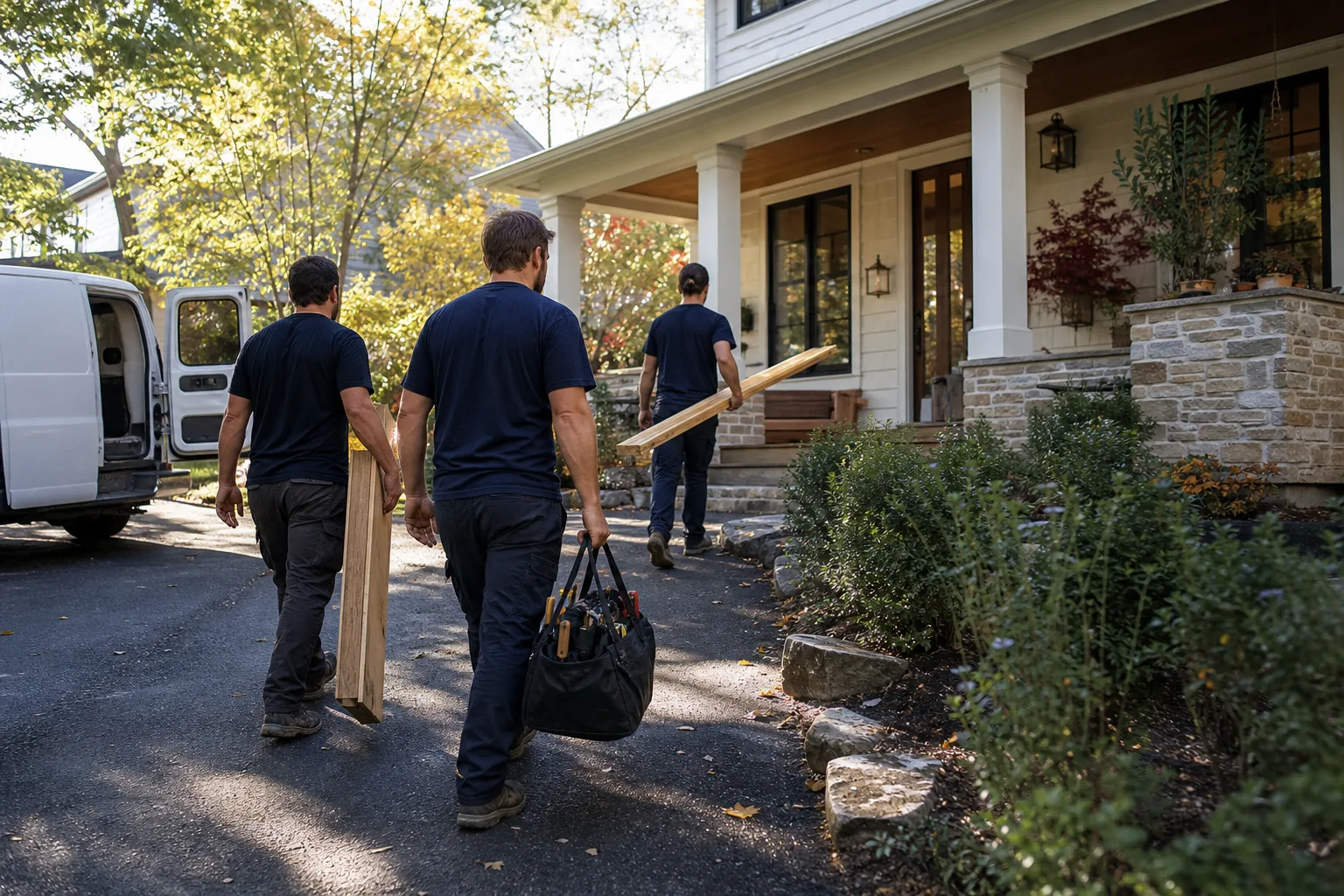
- “Who will be in my house every day, and how do you screen them?” A reputable contractor backgrounds and uniforms their technicians. You should know the name and face of every person who walks through the door. We run background-checked, uniformed technicians on every job, so families know exactly who is coming into their home.
- “How do you protect the rest of the house?” Ask for specifics. Drop cloths on the floors? Shoe covers at the door? A path from the entrance to the work area? These are not extras; they are the baseline for working inside an occupied home. On every Elmstead project, shoe covers and drop cloths are included, and we send a photo of the clean-up before the crew leaves.
- “What are your quiet hours?” In a house with a napping toddler or a school-age child doing homework, the crew’s noise schedule matters. A thoughtful contractor will have a real answer. Quiet tools during family rest hours, where possible, is part of how we structure our workdays.
- “Do you ask before moving anything?” The contractor is working in your home, not a warehouse. A crew that asks before touching a family photo, a pet’s bed, or a child’s bookshelf is a crew that respects the space. Our C.A.R.E. values include “Ask before we move or touch anything,” and that is a rule, not a suggestion.
- “What happens if I call at 9 p.m. with a question?” If the answer is “leave a voicemail,” you now know what the communication experience will be like. Our phones are answered by a live person 24/7, not a voicemail box, not an automated system, not a next-business-day callback. That is a practice we hold even though it costs more to run.
- “What products do you specify, and can I research them by name?” A contractor who uses named brands, like Schluter shower systems or GAF roofing, is giving you the ability to verify the quality independently. A contractor who says “we use whatever the supplier has” is not.
The goal of these questions is not to interrogate. It is to see whether the contractor has thought through what it means to work inside a family’s home, with children and pets underfoot, while the daily routine continues around the work. In our experience, the contractors who have good answers are the same ones who leave the house clean and the work right.
Common Mistakes to Avoid
- Skipping the CSLB license check. An unlicensed contractor in Fresno cannot legally work on a project over $500, and your insurance may not cover the damage if the work fails. The two-minute check is the cheapest insurance you will ever buy.
- Accepting a verbal price. If the price is not in writing, it does not exist. A verbal estimate becomes a different number the moment the work grows, and without a written contract you have no legal standing in California.
- Choosing the lowest bid without investigating it. Fresno’s labor market is competitive, and a bid that is dramatically lower than the rest is either a pricing advantage or a hidden cost. Ask the contractor to explain the difference line by line before you choose.
- Ignoring the license classification. A C-36 plumber is not legally allowed to remodel your kitchen, no matter how confidently they say it. Check the classification against the scope before you sign.
- Not reading the change-order clause. If the contract does not define how changes are priced and approved, the contractor is free to define it themselves mid-project. Get the change-order process in writing up front.
- Paying in full before the punch list is signed. Your final payment is your leverage. Hold it until the work is complete, the punch list is agreed upon in writing, and the clean-up photo is in your hands.
- Skipping the warranty conversation. “One year workmanship warranty” is a sentence, not a process. Ask what it actually means when something fails, and get the answer in writing.
See the difference
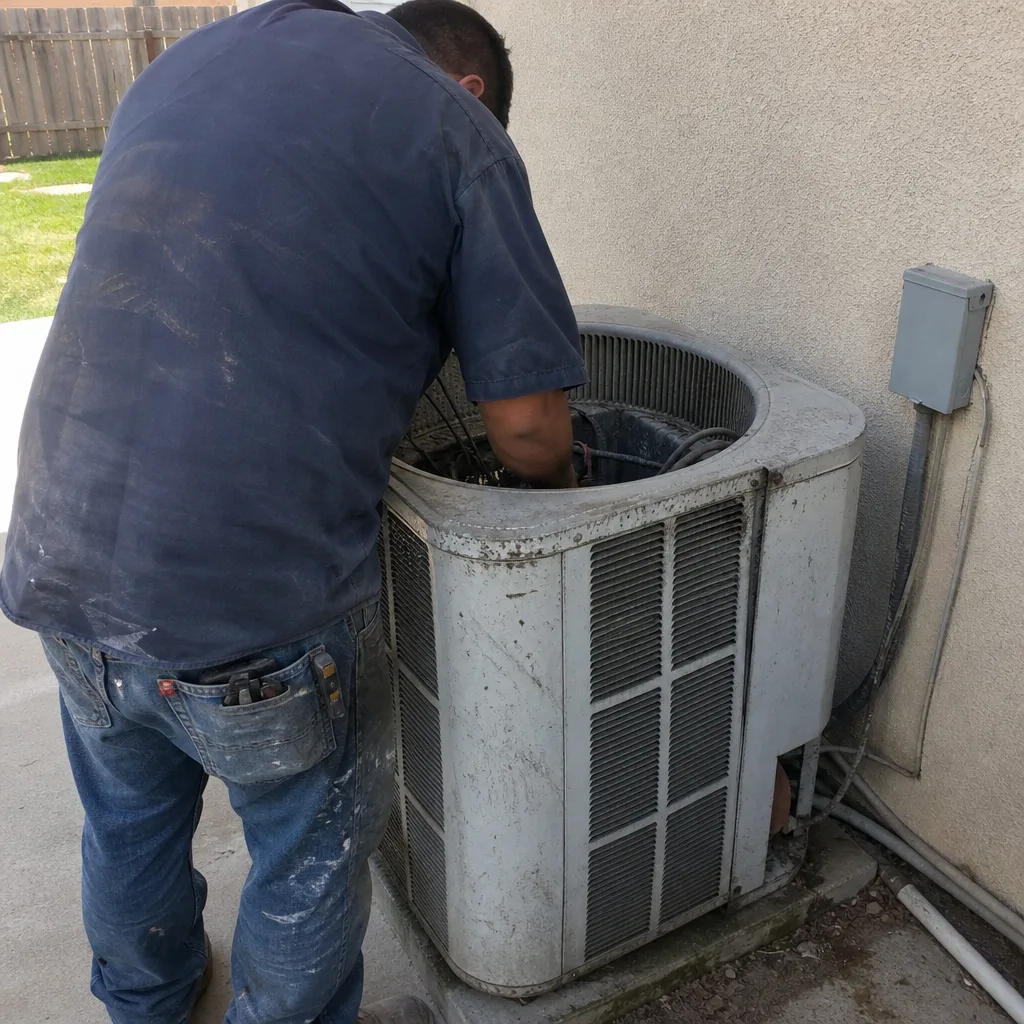 Before
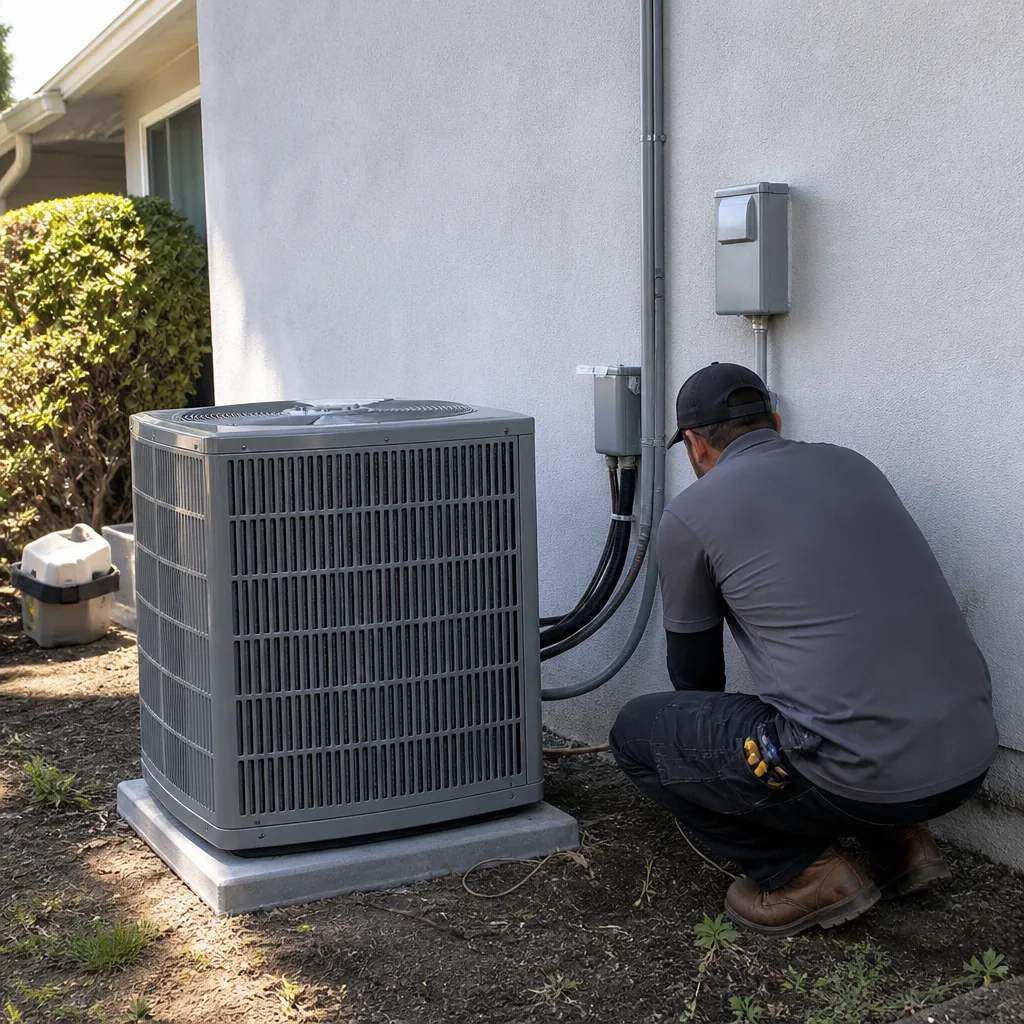 After
After Before
 After
After Before
 After
AfterWhen to Call a Professional
Some Fresno homeowners are comfortable managing a small repair themselves, and that is a reasonable call. But when the project involves structural changes, plumbing or electrical work behind walls, permit-triggered scope, or materials with manufacturer warranties that require certified installation, a licensed contractor is not optional. The same is true when the work touches your family’s daily routine: a kitchen remodel while the kids are in school, a bathroom renovation with a toddler at home, or a whole-home project with pets underfoot. These are not projects to hand to the lowest bidder and hope. They are projects to plan carefully, with a written price and a crew you trust to leave the house better than they found it, as we outline in our Seasonal Construction Care for Fresno: Year-Round Homeowner’s Guide. Elmstead Remodeling Fresno offers free estimates on remodeling projects in Fresno and the surrounding area. Call (559) 540-8453 to talk through your project with Graham and the team.
Frequently Asked Questions
A bathroom remodel in Fresno typically runs 4 to 8 weeks depending on scope, a kitchen remodel 8 to 14 weeks, and a whole-home remodel 3 to 6 months once permits are issued. The timeline depends on material lead times, which are currently longer for custom cabinets and some plumbing fixtures. Your written contract should include a start date and a projected completion date, plus a defined process for material or weather delays.
Most remodels in Fresno that involve structural changes, plumbing, electrical, or gas line work require a city permit. The permit must be pulled by the licensed contractor or the homeowner, and the work must pass inspection. A contractor who tells you permits are unnecessary is telling you they are willing to cut a legal corner, and that is a red flag. We pull permits and schedule inspections on every project where code requires them.
A written contract in California must include the total price, a description of the work, the materials to be used, the start and completion dates, and a payment schedule. It should also include the change-order process, the warranty terms, and the contractor’s CSLB license number. If any of those elements is missing, the contract is incomplete and should be revised before you sign.
A mid-range kitchen remodel in Fresno typically runs $45,000 to $85,000, while a full kitchen renovation with custom cabinets and stone countertops can run $85,000 to $140,000 or more. The final number depends on the cabinet line, the countertop material, the appliance package, and whether walls or plumbing are moving. A written price should break out these costs by line item so you can see exactly where the money goes, as detailed in our Construction Cost Breakdown: The Fresno Homeowner’s Reference for 2026. Call (559) 540-8453 for a free estimate with a written price on your specific kitchen.
A warranty is a legal promise that the work will perform as described for a set period, and it usually has exclusions and a defined resolution process. A guarantee is often a broader promise, but its enforceability depends on the language. Our 365-Day Done Right Promise is a named guarantee with a defined process: if the work is not done right, we make it right. Ask any contractor to show you the warranty in writing, not describe it verbally.
California law allows unlicensed workers to do jobs under $500 in combined labor and materials, but many Fresno homeowners regret it. The work is not covered by the CSLB bond, your homeowner’s insurance may not respond to damage, and you have limited recourse if the work is defective. For any remodel that touches plumbing, electrical, structure, or finishes, a licensed B-General contractor is the safer choice.
The Bottom Line
Hiring a construction contractor in Fresno is not about finding the lowest number, and our Complete Guide to Construction in Fresno covers every step in depth. It is about verifying the license, demanding a written price, understanding the change-order process, and evaluating the warranty by its actual terms. The homeowners who get hurt are the ones who skip the two-minute CSLB check and sign whatever is put in front of them. The homeowners who get it right ask the questions in this guide, get everything in writing, and choose a contractor who treats their home, their kids, their pets, and their daily routine as part of the job. Do that, and the remodel is a process, not a gamble.
Ready to talk through your project? We would be glad to walk you through a written price and answer every question in this guide for your specific home. Call (559) 540-8453 to schedule your free estimate with Graham and the team.
Written by Graham Stein, Owner at Elmstead Remodeling Fresno, serving Fresno since 2005. Learn more about our approach on the Elmstead Remodeling Fresno home page, or see how we handle General Contractor in Fresno work, Bathroom Remodeling in Fresno, and Kitchen Remodeling in Fresno.