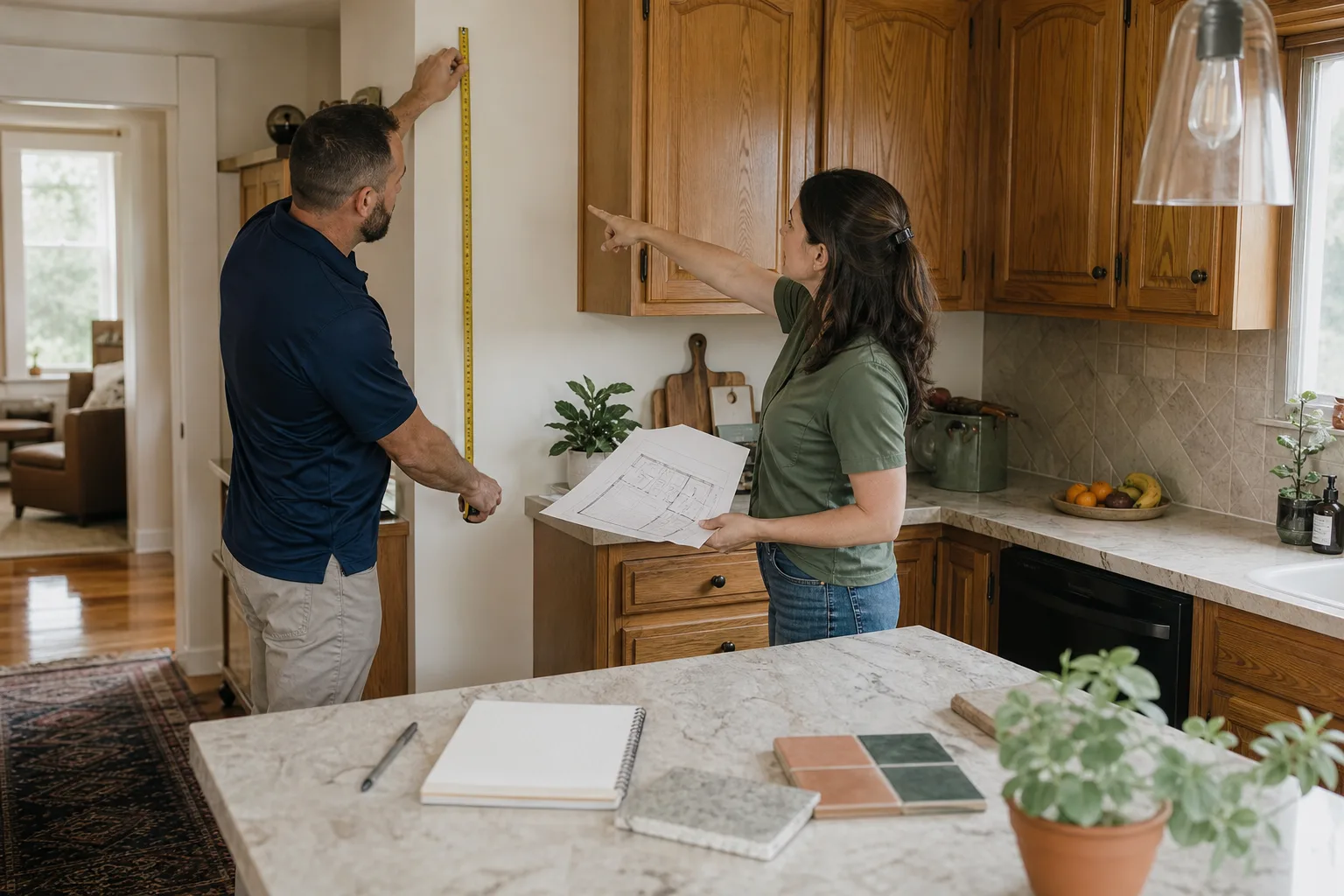





Free written scope consultation - allowances, timeline, and change-order rules on paper before a single trade is scheduled
Sterling Home Additions & ADU: The Fresno Owner’s Guide
If you have a Sterling home addition or ADU and something has failed, the fix usually falls between $45,000 and $130,000 depending on whether we’re repairing a foundation issue, replacing a failed roofline tie-in, or rebuilding a section that has pulled away from the original structure. We carry the materials and the know-how to match Sterling construction details, and we can typically have a crew out within a week to assess what’s actually going on. Most Fresno owners first notice the problem as a crack along the seam where the addition meets the original house, a door that suddenly sticks in a room that used to close fine, or water staining on the ceiling after a good rain.
What we see often in Fresno is that the addition itself was built well, but the connection points, flashing, and drainage details were not given the attention the Central Valley climate demands. Summer heat here regularly pushes past 100 degrees, and that expansion and contraction works on every joint, every seam, every piece of flashing. Add in a few winters of heavy rain and the soil shifting underneath, and what started as a hairline crack becomes a gap that lets water in. The good news is that most of these failures are repairable without tearing the whole addition down, and we can write you a scope of work that tells you exactly what needs to happen before anything comes off the truck.
Which Sterling Models This Applies To

Sterling home additions span a range of construction styles, and the repair approach depends on which method was used when yours went up. The most common types we work on in Fresno are stick-built additions with a slab-on-grade foundation, additions that tied into the existing roofline with a valley or cricket, and ADU structures built over a crawlspace. Each one fails differently, and each one needs a different repair strategy.
The first thing to check is your building plans, if you have them, and look for the foundation type listed. Slab-on-grade additions in Fresno’s expansive clay soil tend to develop hairline cracks at the corners within the first five to ten years. That’s not automatically a structural problem, but it’s worth having looked at. Crawlspace ADUs, especially older ones, often show issues at the rim joist where the floor framing meets the foundation wall, and that’s where we find rot and termite damage more often than anywhere else.
On the materials side, Sterling additions built before roughly 2010 frequently used materials that are no longer manufactured in the same dimensions. That matters when we need to match siding, trim profiles, or window sizes. We’ll measure the existing materials and source either the closest available match or, when the original is genuinely unavailable, we’ll walk you through the options and write the substitution into the scope of work so there are no surprises. If you’re unsure which series your addition falls under, the simplest way to identify it is by checking the original permit paperwork or the label on the electrical panel, which often lists the builder name and the year the addition was permitted.
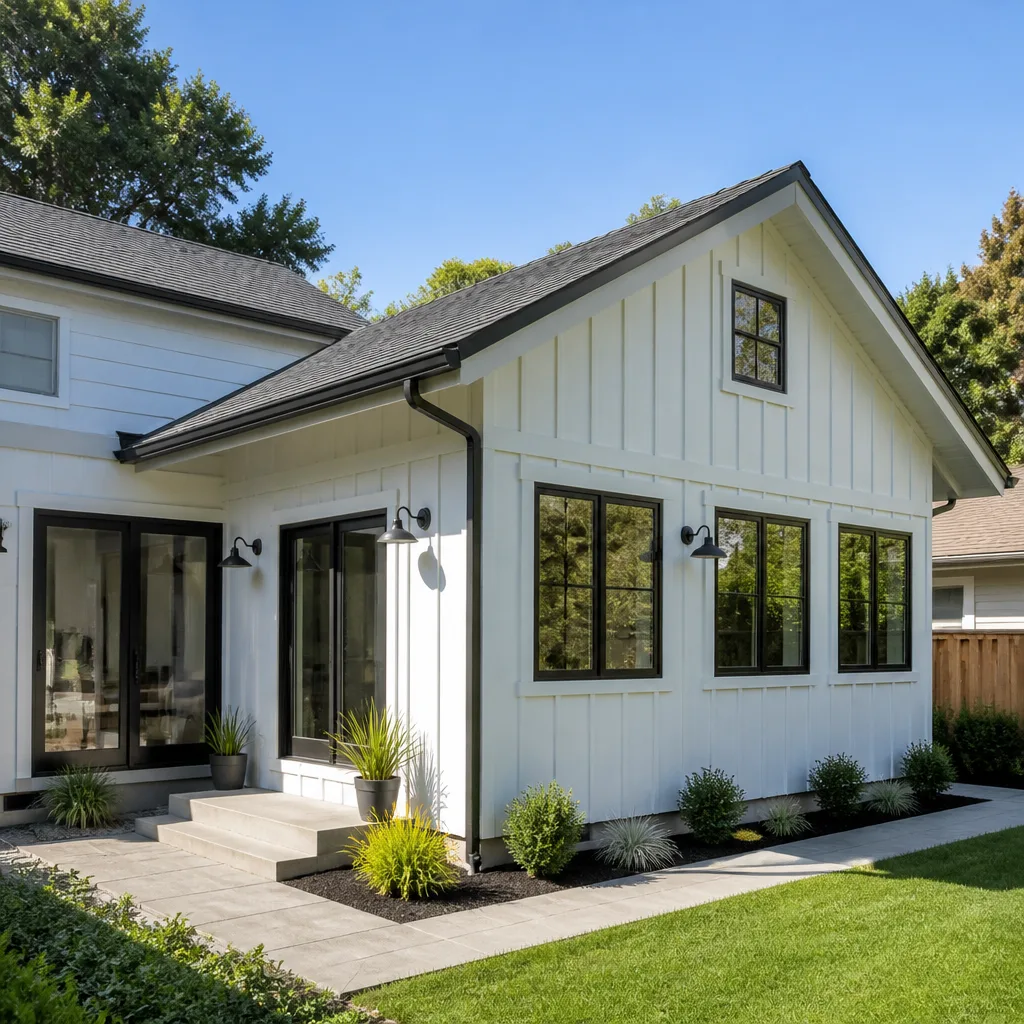
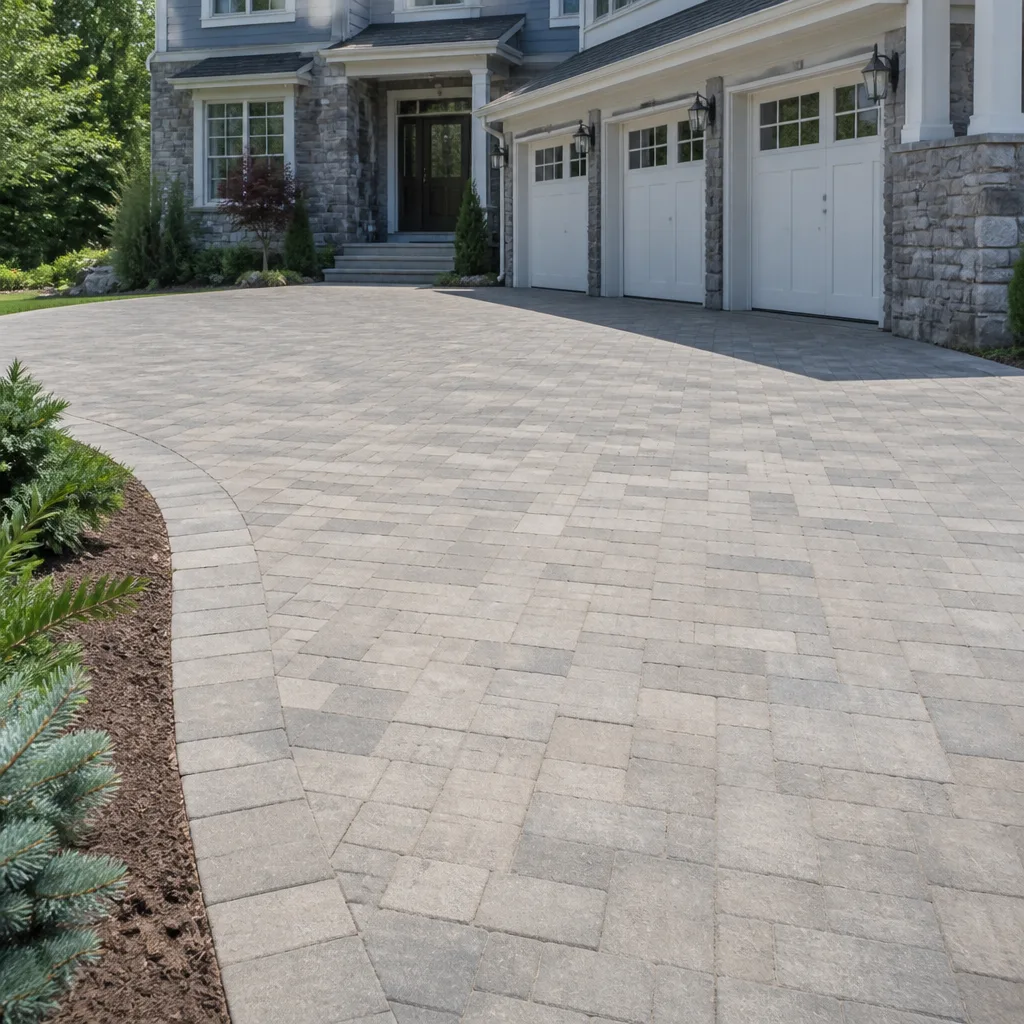
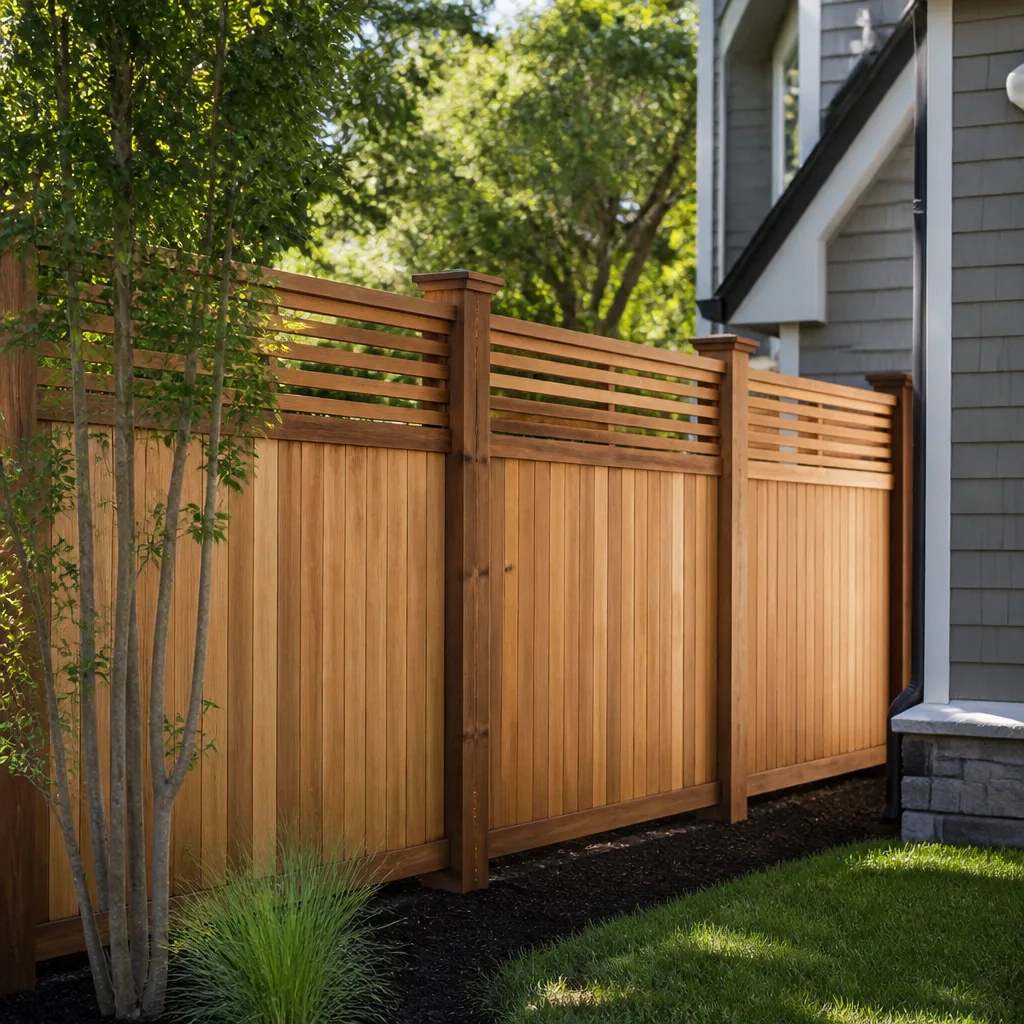
Styles & brands we work with


Signs Your Sterling Home Additions & ADU Is Failing
- Cracks along the seam where the addition meets the original house. This is the most common sign we see in Fresno, and it’s usually caused by differential settlement between the two structures. The original house has settled into the soil over decades, while the addition is still finding its place.
- A door that sticks or rubs in a room that used to operate smoothly. When a door frame shifts even a quarter inch, the door will bind. This often points to foundation movement in one specific area rather than a whole-structure problem.
- Water staining on the ceiling or walls, particularly after wind-driven rain. The valley where an addition roof meets the original roof is a frequent failure point. Flashing can lift, sealant can fail, and once water gets behind the fascia, it travels in ways that are hard to trace from the outside.
- Gaps opening up around windows or baseboards in the addition. As the structure moves through hot summers and wet winters, trim that was once tight will start to pull away. This is a sign that the framing is shifting enough that the finishes are taking the strain.
- A musty smell in the ADU or addition that won’t go away. Persistent odor usually means moisture is getting in somewhere and not drying out. We’ll trace it back to the source rather than masking it, because a dehumidifier treats the symptom, not the cause.
Each of these tells us something different about what’s happening, and the right fix depends on the exact cause. Sometimes it’s a straightforward flashing repair. Sometimes it’s a pour-a-new-pier situation. We’ll tell you which one it is, in writing, before we ask for a signature.
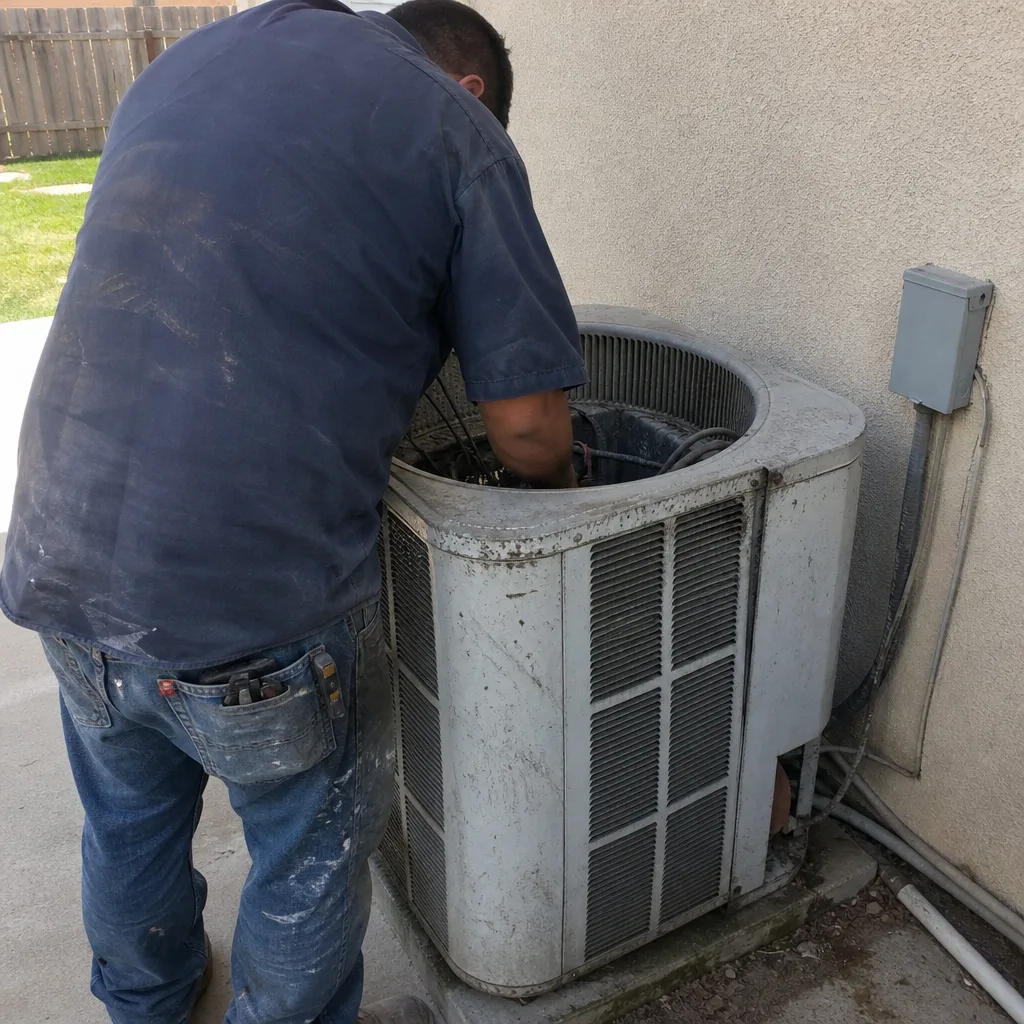
See the difference
 Before
 After
After Before
 After
After Before
 After
AfterReplacement Cost & What’s Included

In Fresno, a full Sterling home addition replacement or major structural correction runs between $45,000 and $130,000. The price depends on several factors: the size of the failing area, the foundation type, whether we’re repairing or rebuilding, and whether the finishes need to be matched to existing materials or can be updated to current standards. A smaller repair, like fixing a failed valley flashing or correcting a localized foundation pier, sits at the lower end of that range. A full tear-out and rebuild of a failed addition or the structural correction of a settling ADU will land at the higher end.
Every quote we give includes the line items spelled out: materials with brand names where it matters, labor hours, disposal, and clean-up. You’ll see the number before we start, and that number doesn’t change unless we uncover something genuinely unexpected, which we will discuss with you in person and in writing before proceeding. The work carries the 365-Day Done Right Promise, which means if something isn’t right after we leave, we come back and make it right. For the record, we are an independent Fresno contractor and are not affiliated with Sterling, but we know their additions well enough to match their details correctly.
DIY or Call Us?
There are a few things an owner can safely check before picking up the phone. You can look for visible cracks and note where they are and how wide they’ve grown over the past month. You can check for water staining and run a hose along the roofline while someone watches from inside to see if water is entering. You can take photos of everything so you have a record of what changed and when. Those observations help us help you faster.
What we don’t recommend is attempting structural repairs on your own. Foundation work, roofline tie-ins, and anything involving load-bearing walls requires engineering judgment, permits, and a crew that knows what happens if a temporary support fails. The risk of making a small problem worse is high, and the cost of correcting a poorly done DIY repair is almost always higher than the original fix would have been. If you’ve spotted something that worries you, call (559) 540-8453 and we’ll send someone out to take a proper look. Graham Stein is the one who answers the tough questions, and he’ll give you a straight answer.
FAQs
A well-built addition on a properly prepared foundation should go 30 to 50 years before it needs any major structural work, but the connection points, flashing, and exterior caulking typically need attention every 8 to 12 years in Fresno’s climate. The heat and dry summers are harder on sealants and caulking than the rain is. Call (559) 540-8453 and we’ll come assess what yours actually needs.
Most foundation cracks in additions can be repaired without replacing the foundation, especially if the crack is in the slab and the structure itself is still level. We’ll measure the elevation difference across the floor, check the crack width over time, and recommend the simplest repair that actually solves the problem. For an exact assessment, call (559) 540-8453 and we’ll take the measurements.
A flashing repair or localized foundation fix usually takes two to five working days, while a full structural correction or section rebuild can run three to eight weeks depending on scope, weather, and permitting. We’ll give you a schedule in writing before we start, and when something changes on that schedule, we tell you. Call (559) 540-8453 for a timeline on your specific repair.
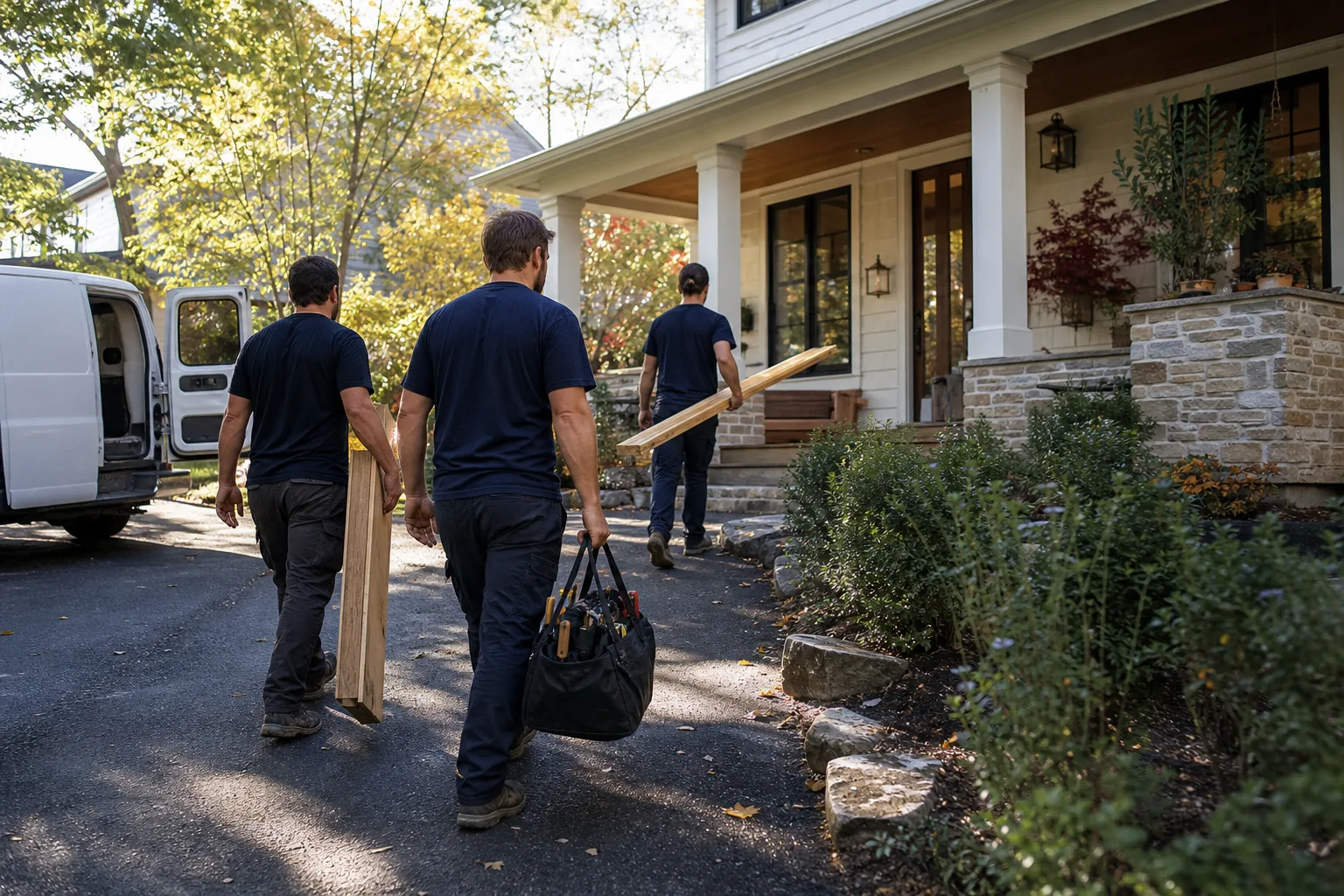
We stock the common repair materials on our trucks: flashing, sealants, fasteners, and the framing lumber and hardware needed for typical structural corrections. For finish materials like siding profiles, trim, and windows that need to match existing Sterling details, we source those per project, and we’ll show you the lead times in the quote. Call (559) 540-8453 and we’ll let you know what’s in stock and what needs ordering for your repair.
Written by Graham Stein, Owner, Elmstead Remodeling Fresno at Elmstead Remodeling Fresno, serving Fresno and nearby areas.