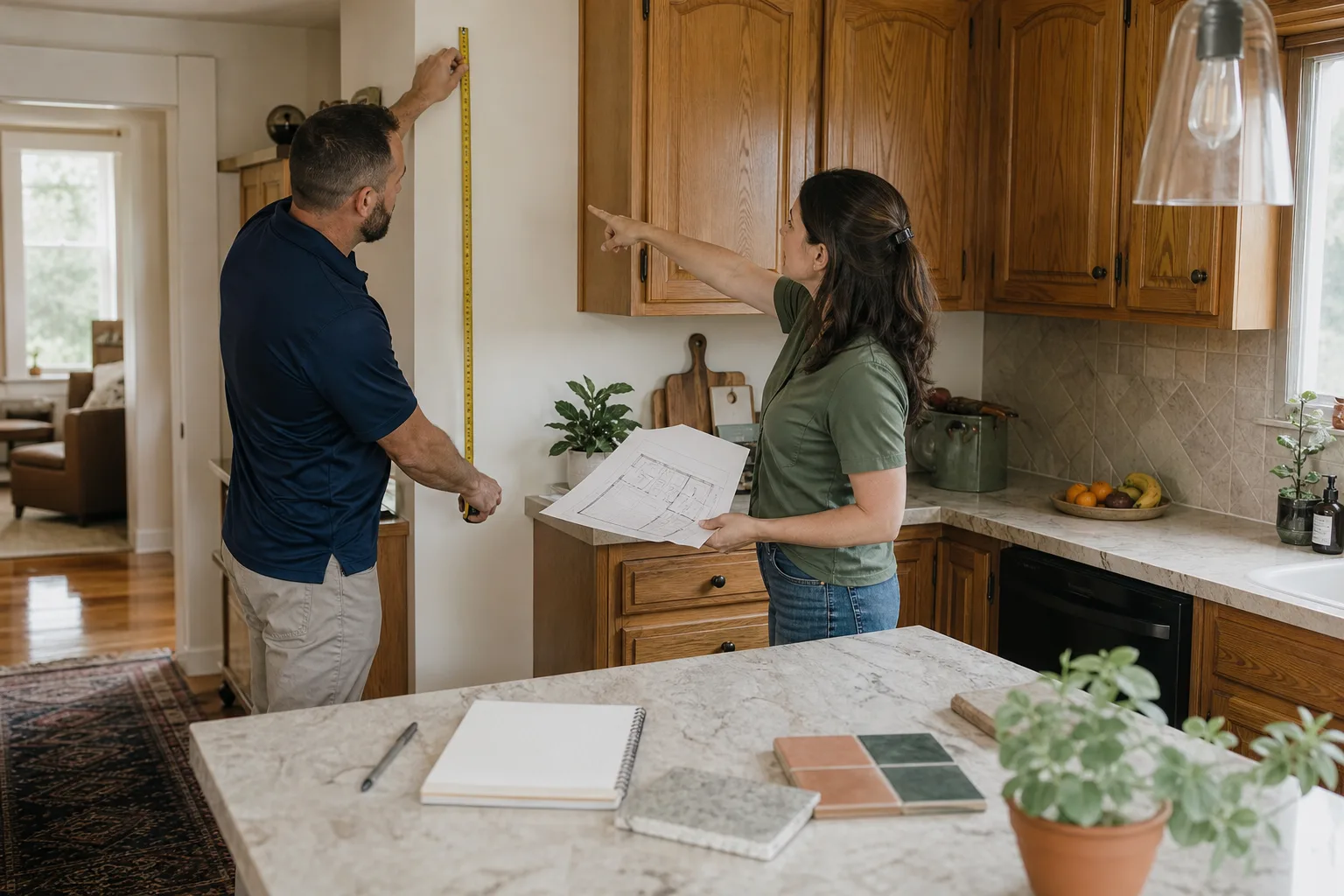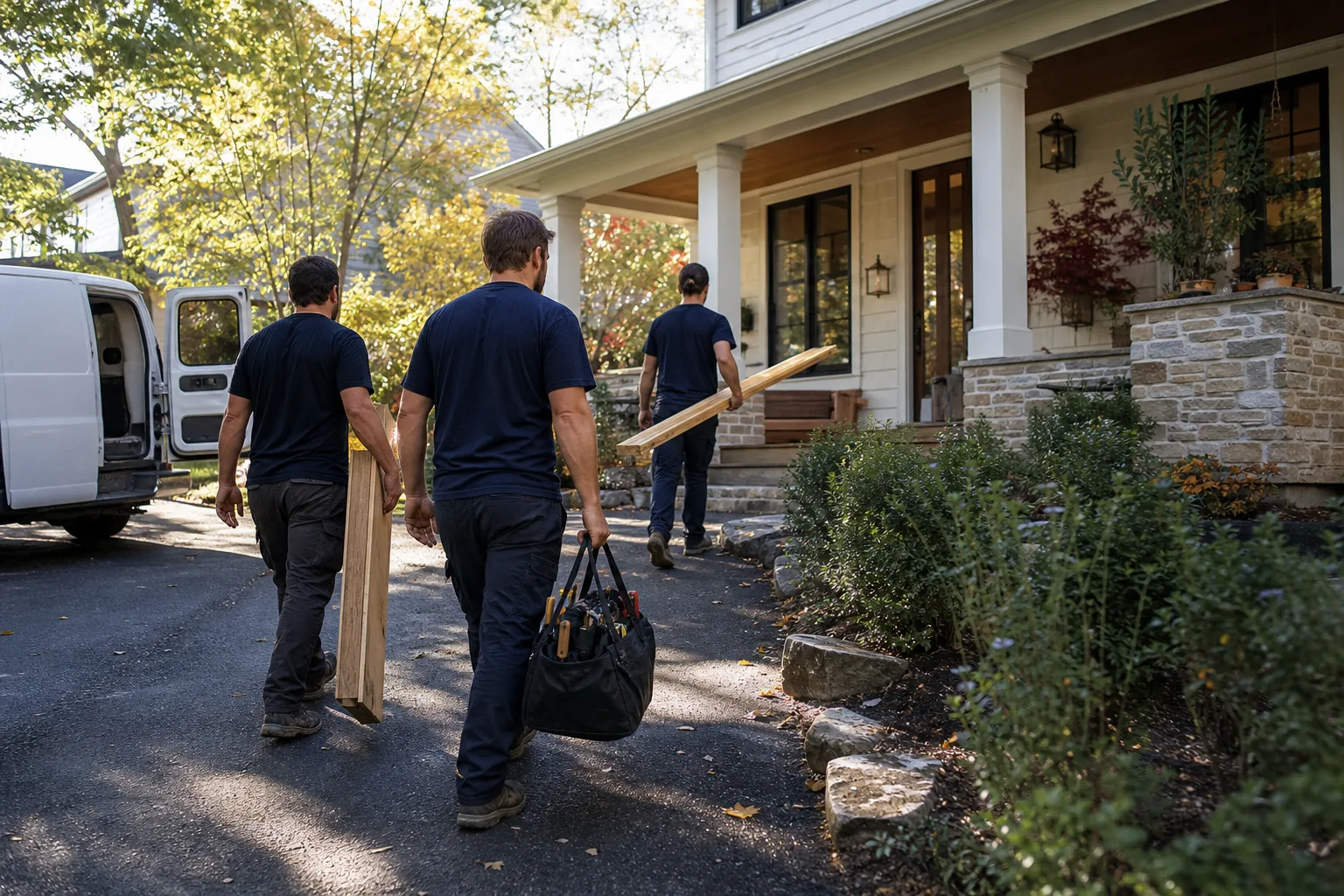
Free written scope consultation - allowances, timeline, and change-order rules on paper before a single trade is scheduled
Cambridge Pavers Home Additions & ADU: The Fresno Owner’s Guide
If you’re planning a home addition or ADU in Fresno and want Cambridge Pavers as part of the hardscape, the installed cost for the full project typically runs $45,000 to $130,000 depending on square footage, foundation work, and how much paver area you’re building into the design. We install Cambridge Pavers as part of larger addition and ADU projects, and we can match existing Cambridge product lines when you’re extending a patio, walkway, or driveway that ties into the new structure. Most Fresno owners call us because they have a Cambridge paver surface that’s settled, cracked, or lifting near where the new addition will tie in, and they want to know whether to repair the pavers before framing starts or build the addition first and fix the hardscape after.
Here’s the honest answer: if your Cambridge pavers are failing within six feet of the addition’s foundation line, fix them first. A settled paver base near new concrete work becomes a drainage problem later, and drainage problems in Fresno’s clay-heavy soil get expensive fast. Graham Stein has opened enough Fresno backyards to know that the paver issue and the addition issue are rarely separate problems once you start digging.
Which Cambridge Pavers Models This Applies To
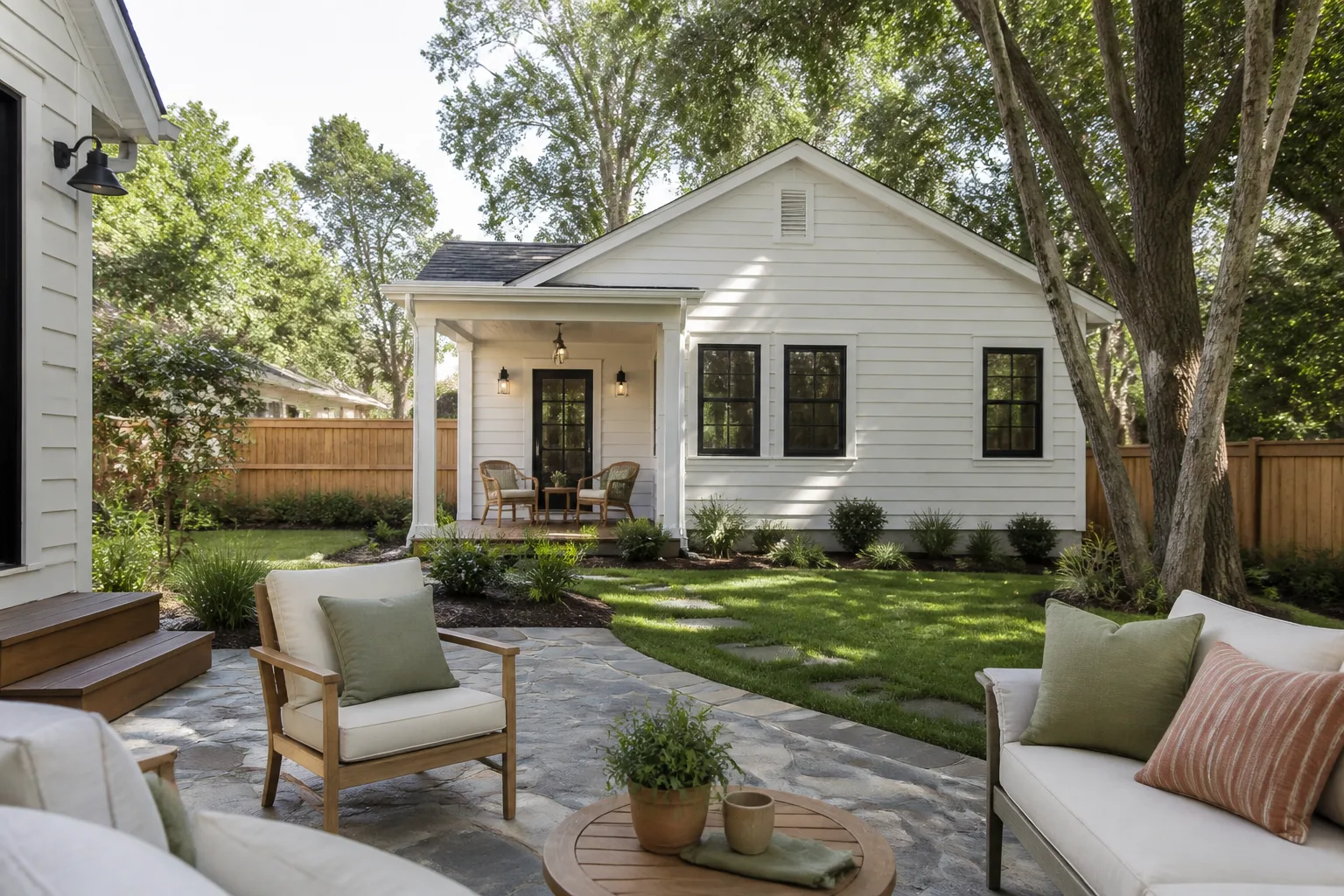
Cambridge Pavers are manufactured in a range of product lines, and the compatibility question matters more than most Fresno homeowners expect. The paver itself is not the hard part to match. What trips people up is the base depth and edge restraint system, which Cambridge specifies differently for pedestrian versus vehicular applications, and which changes again when pavers abut a new foundation or slab.
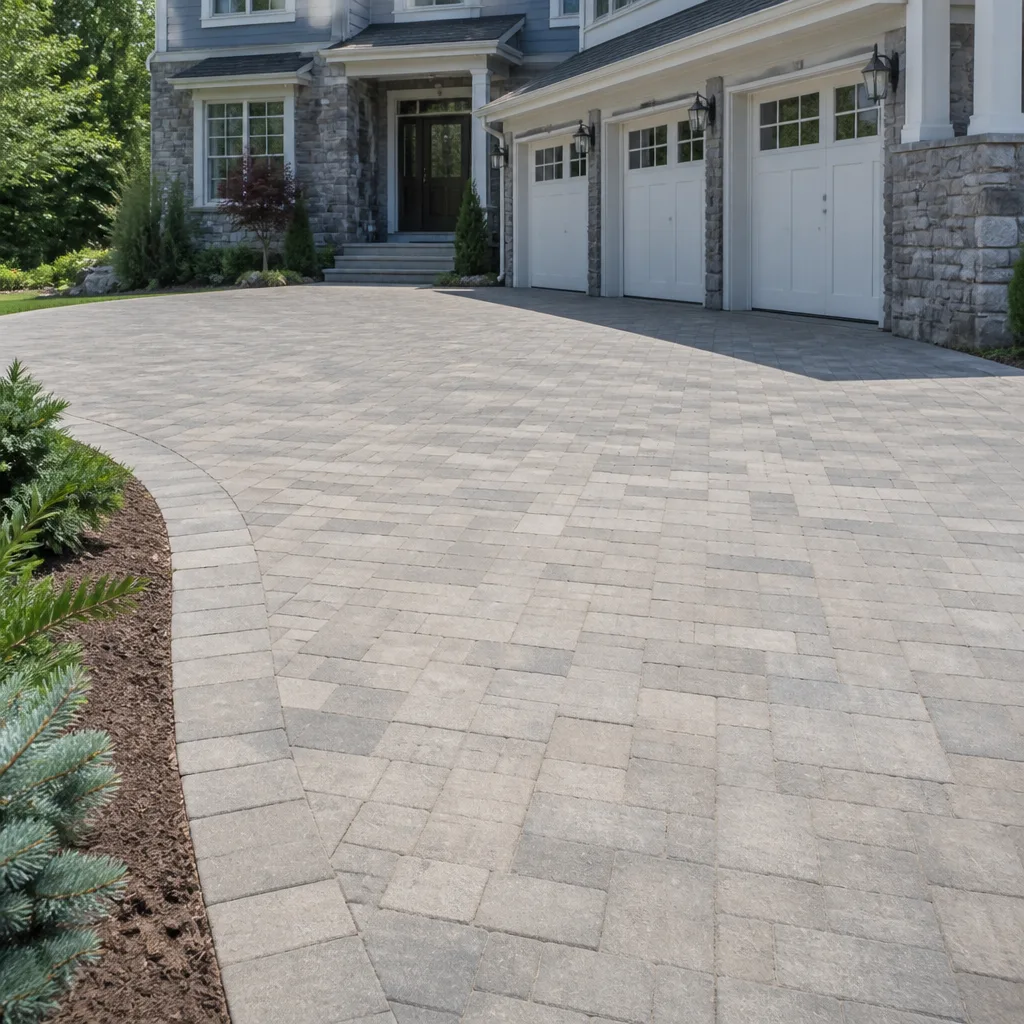
The main Cambridge lines we work with on Fresno additions and ADUs are the Ledgestone, RoundTable, Sherwood, and Maytrx collections, along with the Cambridge Wallstone line for retaining walls and planter edges that often frame a new ADU entry or patio. Each line has different joint widths and thicknesses: Sherwood runs 60mm, RoundTable runs 80mm in most profiles, and Maytrx is a 60mm system with a smooth face that reads more contemporary. If you have the original invoice or a leftover paver from the original install, the mold number is stamped on the underside, and that’s the fastest way to confirm an exact match. Without it, we measure the paver thickness and joint spacing on site, then order from the same Cambridge plant specs.
One Fresno-specific gotcha: Cambridge pavers installed before roughly 2015 in this area were often set on a 4-inch aggregate base, which was common practice then but undersized for our expansive clay soils. We see those fail first across the Sunnyside and Woodward Park neighborhoods, where the soil holds water after winter rain and then contracts hard through the summer dry spell. A new addition’s foundation changes the drainage pattern around the house, which pushes water into the paver base in ways the original install never anticipated. When we tie Cambridge pavers into a new addition or ADU, we rebuild the base to current spec, not just patch the surface.
Elmstead Remodeling Fresno is an independent contractor and is not affiliated with Cambridge Pavers. We install and repair Cambridge products regularly, but we’re not a Cambridge dealer. If you’re buying pavers directly for a DIY section, we’re glad to tell you exactly what to order, down to the mold number and square footage.
Styles & brands we work with
Signs Your Cambridge Pavers Home Addition & ADU Hardscape Is Failing
- Sunken pavers along the old foundation line. When the base under the outer rows washes out or compacts unevenly, the pavers drop and begin to tilt toward the house. This usually means water is pooling against the foundation, and in Fresno’s clay soil that’s a slow motion problem that gets worse every wet season until it’s addressed.
- Wide, spreading joints between pavers. Cambridge paver joints are designed to stay tight. When the sand between them erodes and gaps open to a quarter inch or wider, the pavers lose lateral support and start to shift. You’ll see this most often along driveway edges and walkway curves where the original edge restraint was never set deep enough.
- Cracked or chipped pavers near a new pour. If you’ve had concrete work done near your Cambridge pavers and now see fresh cracks, the vibration from the concrete crew, or the temporary shifting of the subgrade during the pour, likely fractured pavers that were already stressed. We see this on nearly every Fresno addition project where the pavers were run tight against the new slab without an isolation joint.
- Water pooling against pavers after rain. Fresno doesn’t get a lot of rain, but when it comes it comes fast. A paver surface that held water briefly ten years ago but now holds it for a full day is telling you the base has settled and the pitch has gone flat. That’s a base rebuild, not a re-sand.
- Paver edges heaving upward in summer. This is the signature Fresno clay problem. The soil swells with winter moisture, then shrinks in the dry heat, and the pavers get pushed up along the edges where they’re confined by a walkway or a wall. If you can see a visible lip at the edge of your Cambridge run in August, the base has failed and the only real fix is pulling the section and rebuilding it properly.
See the difference
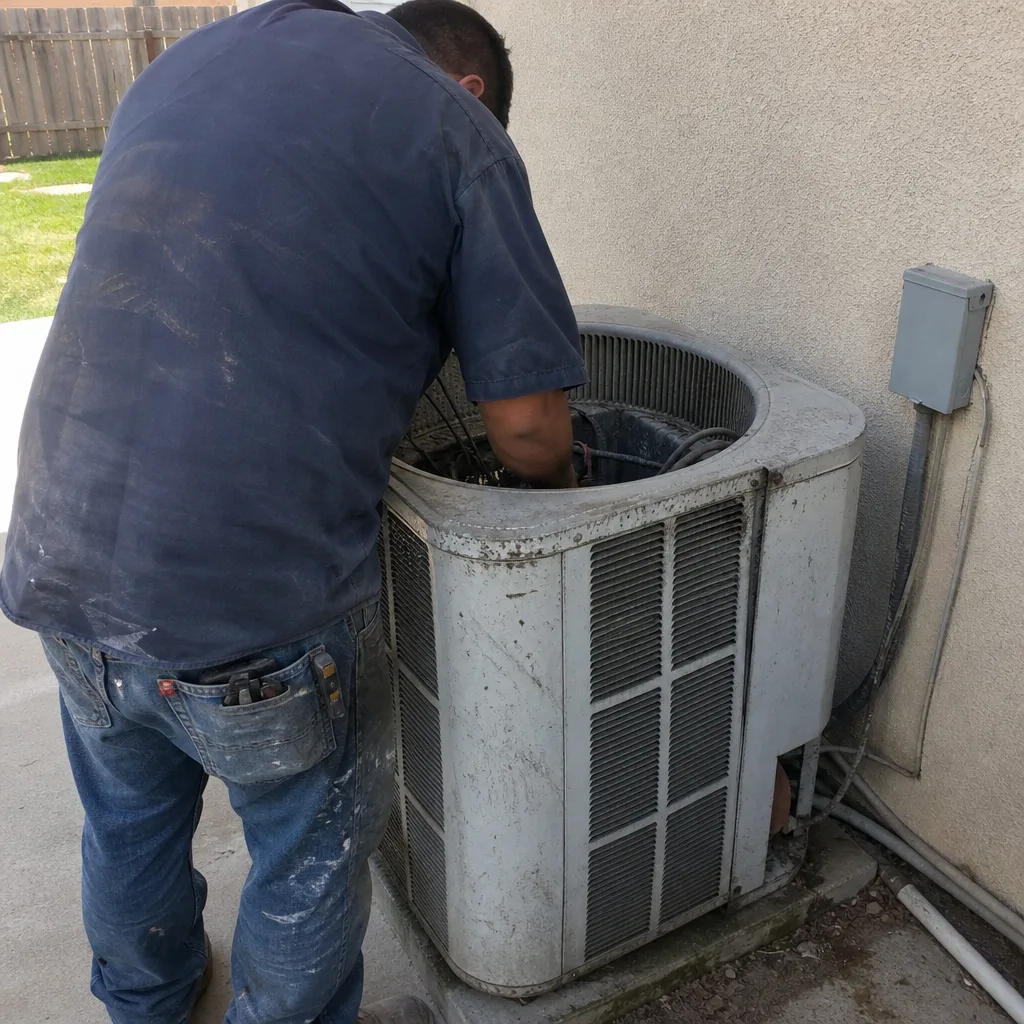 Before
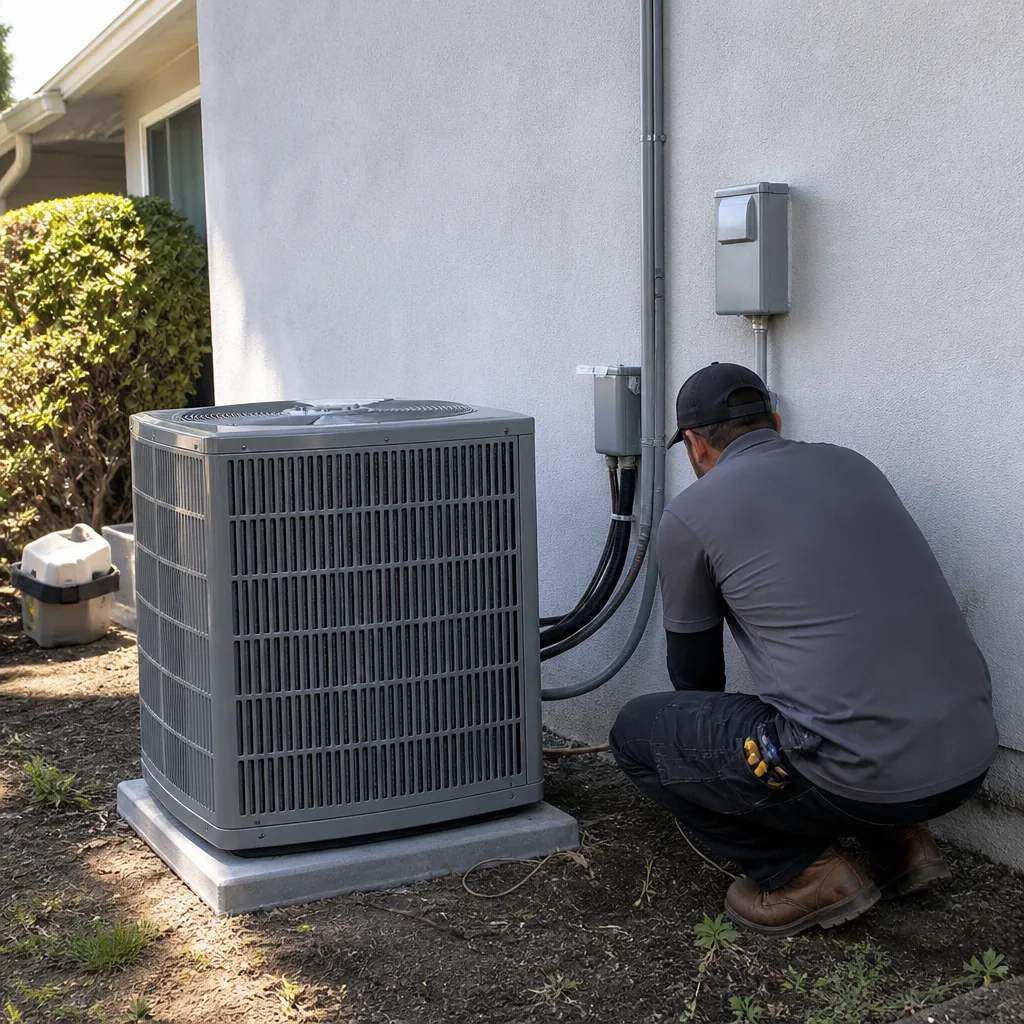 After
After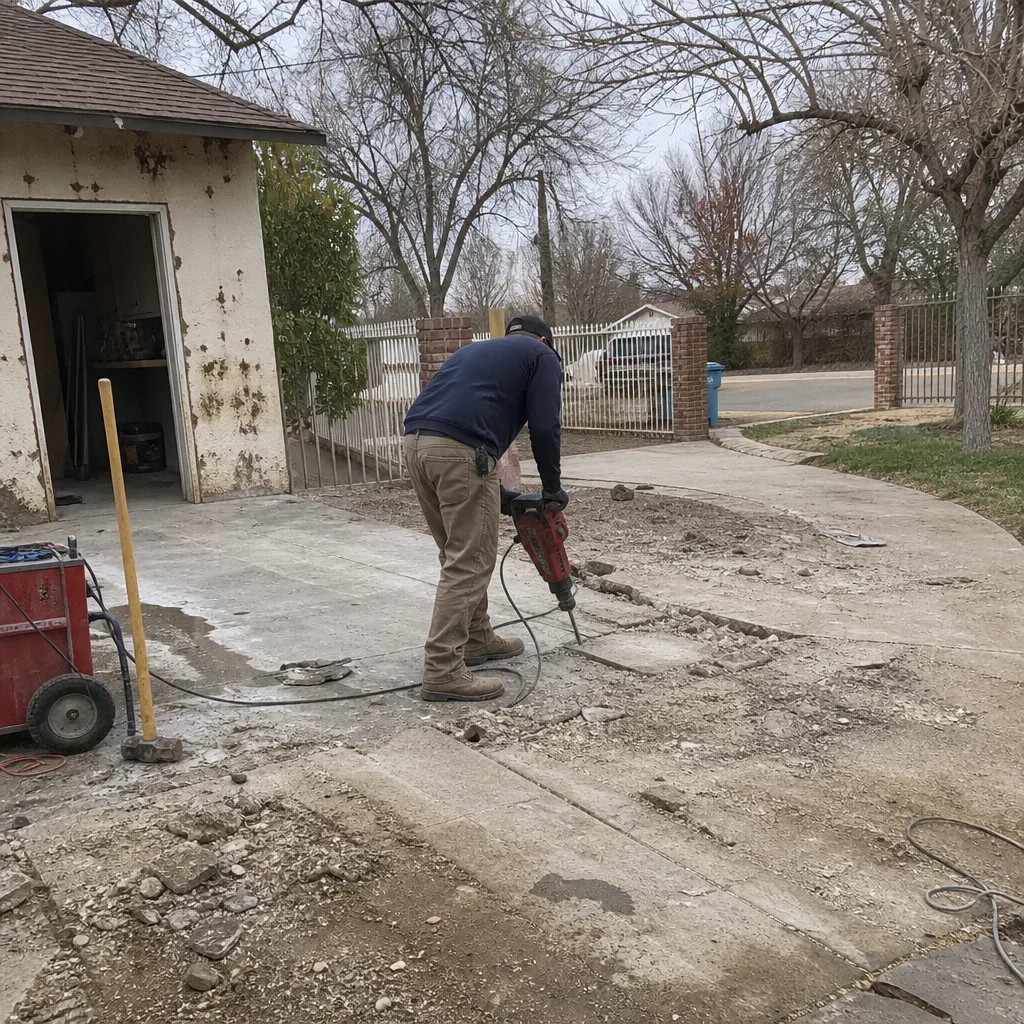 Before
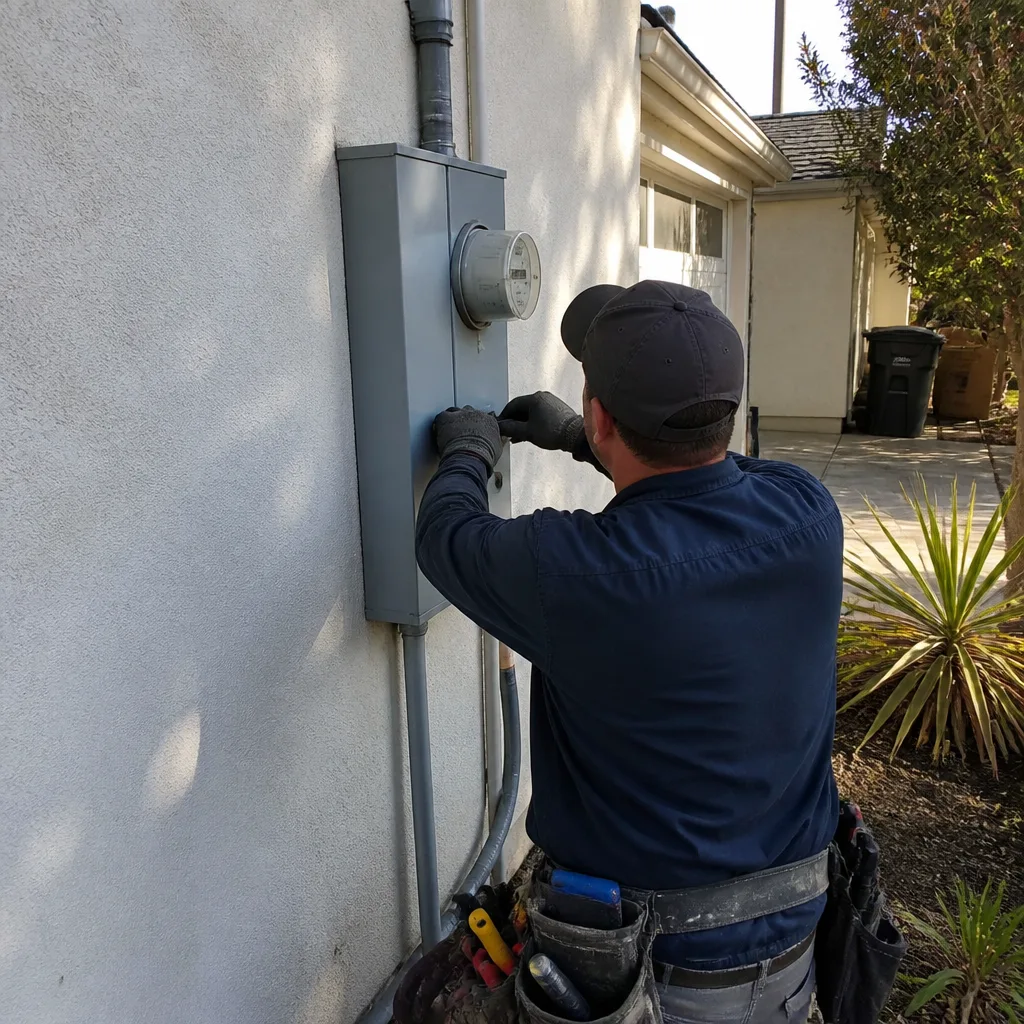 After
After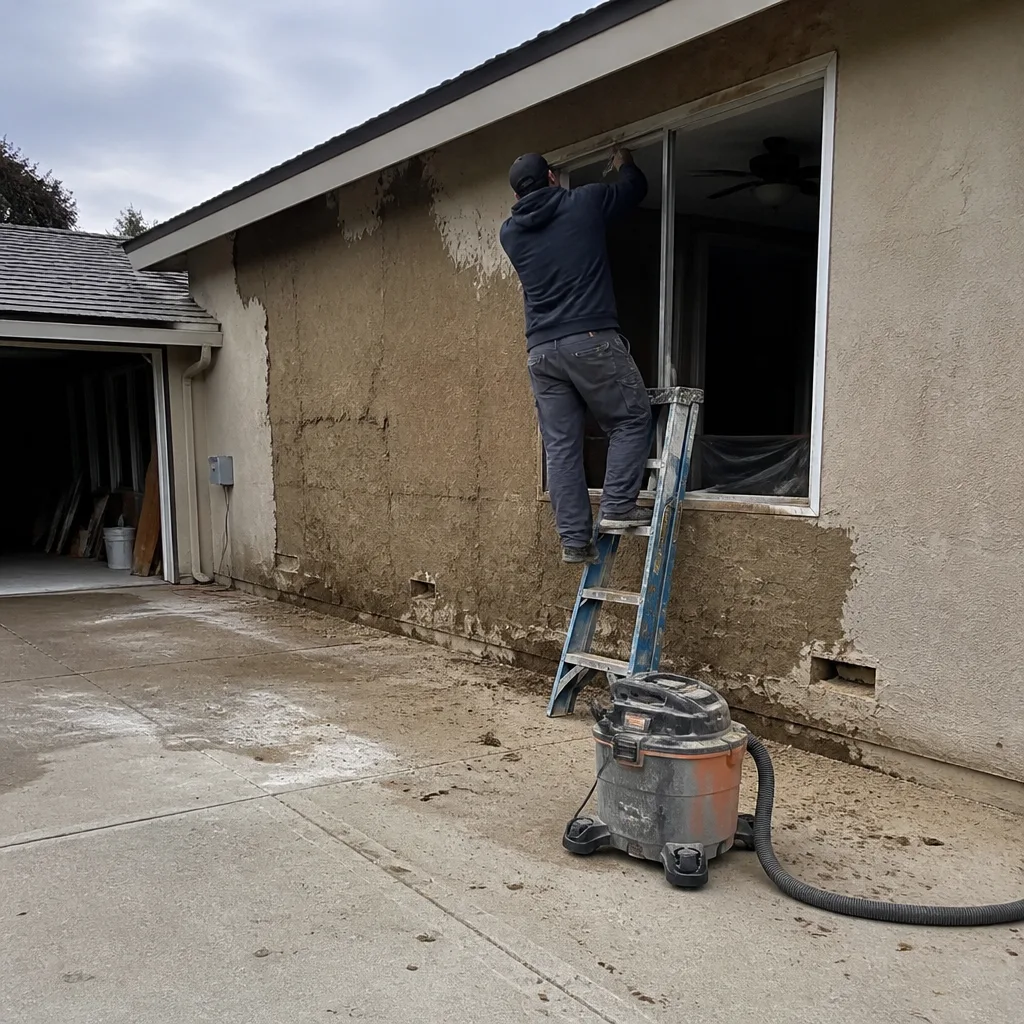 Before
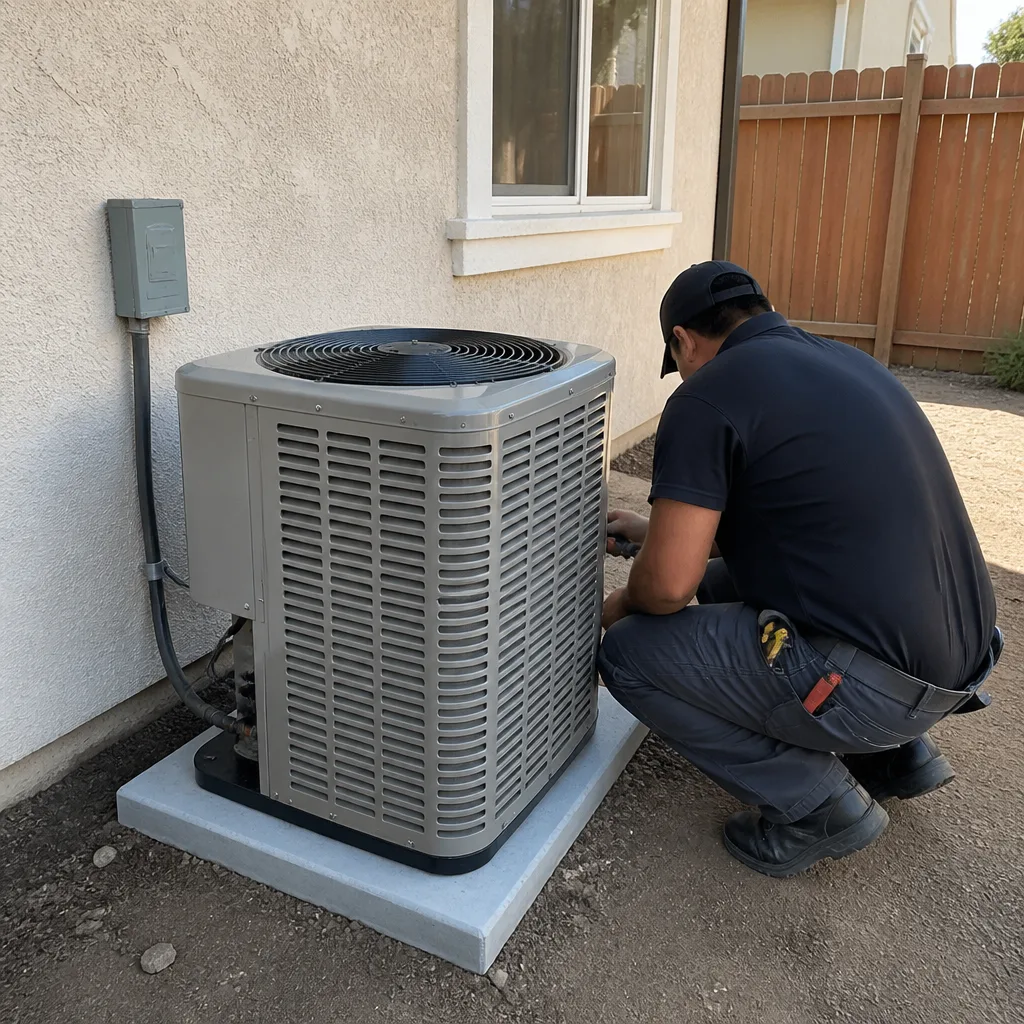 After
AfterReplacement Cost & What’s Included
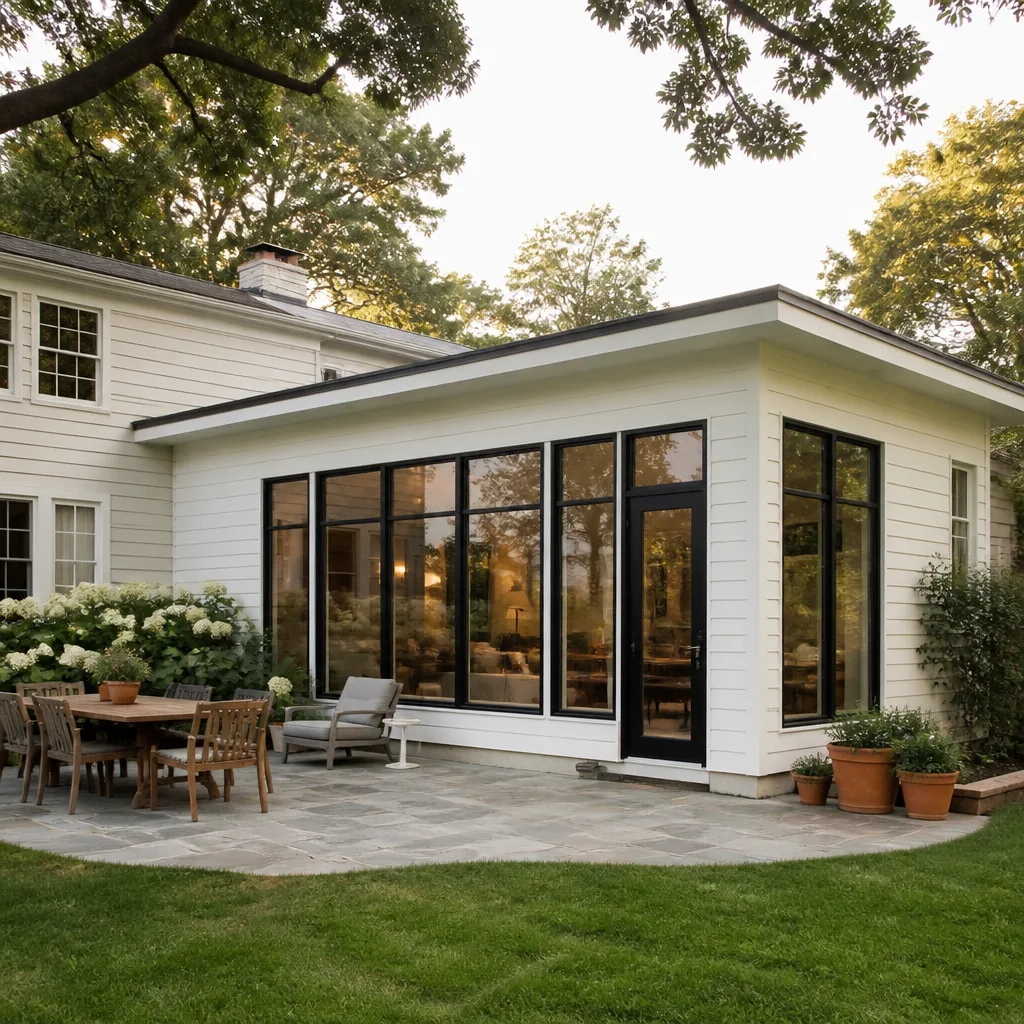
In Fresno, a Cambridge paver repair or rebuild tied into a home addition or ADU project runs $3,500 to $11,000 for a typical patio or walkway area when done as its own scope, and it’s often folded into the larger $45,000 to $130,000 addition or ADU budget when the hardscape work happens at the same time as the build. The cost difference comes down to three things: whether we’re re-using your existing pavers or sourcing new Cambridge product, how much of the base needs to be excavated and rebuilt, and whether we’re working around a live construction site or a finished yard.
What’s included in our paver scope, every time:
- Written price before any work starts, with the paver line item separated from the addition scope so you can see exactly what the hardscape costs.
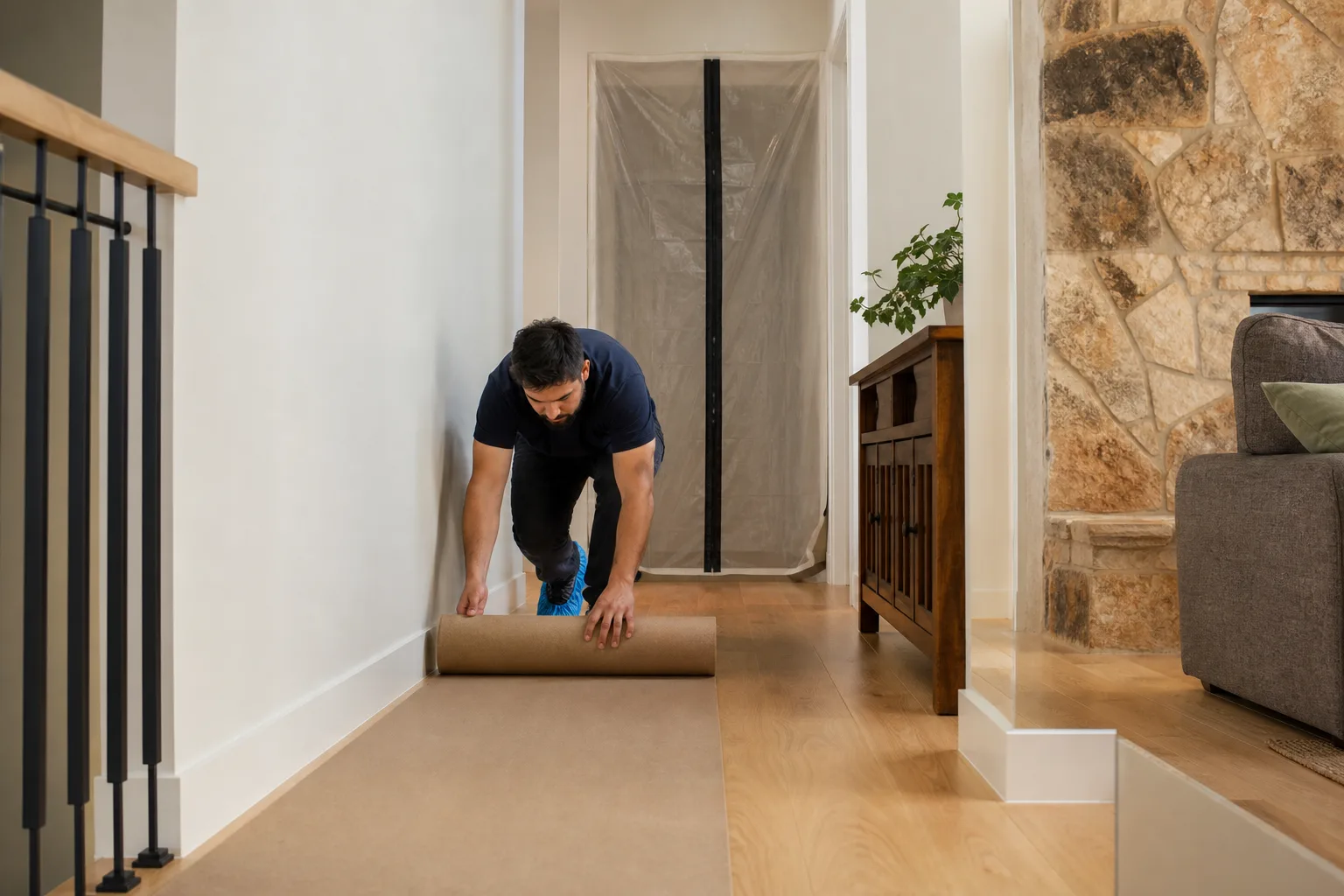
- Drop cloths on any path the crew walks through the house, and shoe covers at the door if we’re passing through to reach the backyard.
- Edge restraints reset or replaced, joint sand swept and compacted, and the finished surface cleaned before we call it done.
- A photo of the clean-up before the crew leaves, so you can see the state we left the yard in.
- The 365-Day Done Right Promise: if the paver work isn’t done right, we come back and make it right. That’s stamped on every project we do, paver scopes included.
DIY or Call Us?
Replacing a single Cambridge paver is genuinely within reach for a handy Fresno homeowner. You lift the old paver, add or remove a little sand to get the height right, set the replacement, and sweep in joint sand. That’s a Saturday morning job, and if you have the mold number from the underside of the old paver, you can order the exact match from a Cambridge dealer.
Where DIY goes wrong is when the base has failed, not the paver. If you’re seeing sunken areas, heaving edges, or water pooling, pulling pavers and re-setting them on the same bad base puts you right back where you started inside a year. A proper base rebuild means excavating to the right depth for the application, compacting in lifts, and re-setting the edge restraint, and that’s machine work plus a trained eye for pitch. It’s also genuinely hard physical labor, and Fresno’s summer heat makes it a lot less fun than it looks in a video. If you suspect the base is the problem, call us at (559) 540-8453. We’ll come look at it, tell you honestly whether it’s a paver swap or a rebuild, and give you a written price either way.
FAQs
Cambridge pavers themselves routinely last 30 to 50 years, but the base underneath them in Fresno’s clay soil often fails in 10 to 15 years unless it was built with the deeper excavation and proper compaction that current Cambridge specs call for. The paver rarely fails first; the base does. Call (559) 540-8453 if you want us to assess which one you’re dealing with.
Yes, if the settlement is minor and the base is still sound, we can lift the affected area, re-level the sand bed, and re-set the pavers without buying new product. If the base has washed out or compacted unevenly, the only durable repair is pulling the section, rebuilding the base, and re-installing the pavers, and we’ll show you the difference with a straightedge before we recommend anything.
Most paver repair or rebuild scopes in Fresno take two to four working days for a typical patio or walkway section, and we schedule them around the addition’s framing and foundation timeline so the hardscape work doesn’t stall the build. Graham writes every scope down before anything comes off the truck, so you’ll have the paver days marked on the project calendar before we start.
We don’t stock Cambridge product on the truck because the line is too broad, but we typically have the exact pavers on site within a week of confirming the mold number and color, and we handle the ordering so you’re not guessing at quantities. We also work regularly with KraftMaid, Cambria, and Silestone on the interior side of additions and ADUs, so the same written-price process carries across the whole project.
If you’re planning a home addition or ADU in Fresno and want the Cambridge paver work done right the first time, call us at (559) 540-8453. We’ll walk the site, tell you honestly what the pavers need, and give you a written price before any work starts. The estimate is free, and the conversation usually takes about half an hour.
Written by Graham Stein, Owner, Elmstead Remodeling Fresno at Elmstead Remodeling Fresno, serving Fresno and nearby areas.